For decades, home cooks have been taught that the foundation of a great pot of rice is the initial sizzle of onions and oil. If you want to master the perfect rice technique, you have to move beyond these old habits. However, many are now seeking a more professional perfect rice technique to move beyond bland results. While many home cooks struggle with soggy or burnt results, mastering the perfect rice technique is entirely achievable with a bit of scientific precision.
The truth is, the most flavorful rice isn’t a product of the “refogado” (sauté) alone. It is the result of a sophisticated interplay between molecular infusion, steam management, and residual fat emulsification. If your rice often turns out “gloopy” or lacks that deep, savory punch, it’s likely because you’re focusing on the wrong ingredients.
The Science of Molecular Infusion
Beyond Fresh Aromatics: The Power of Powders and Stock
The biggest mistake in home cooking is relying solely on fresh aromatics. While fresh onion and garlic provide a pleasant aroma, they often stay concentrated in small pockets of the pot. Chefs often turn to powdered seasonings and high-umami bouillons to achieve a uniform flavor profile.
When you use onion and garlic powders, or a high-quality stock, the flavor molecules dissolve completely into the cooking water. As the rice grains expand and hydrate, they don’t just soak up water—they “inhale” the dissolved seasonings. This infuses the flavor into the very core of the starch, a process that fresh, sautéed bits simply cannot replicate. The goal of molecular infusion is to force aromatic compounds into the center of the grain rather than just the surface, a hallmark of any perfect rice technique worth learning.
Mastering the “Mise en Place” for Flavor Uniformity
The secret lies in how the grain interacts with heat and moisture. To execute this like a pro, many chefs rely on a Mise en Place technique to ensure their herb-and-spice infusion is balanced and their vegetable scraps are ready for the stockpot before the first bubble even appears. For additional methods on achieving perfect texture, you can also check these tips for the fluffiest rice.
The “Tea Towel” Trick: Mastering Hydrothermal Tension
Why Home Cooks Fail at Texture
Even the best-seasoned rice can be ruined by poor texture. Yotam Ottolenghi and other Levantine cuisine experts point to a crucial final step that most home cooks skip: the steam rest. Learning the steam rest is a vital component of any perfect rice technique if you want restaurant-quality grains.
The Steam Rest: Creating a “Dry Heat” Environment
When rice finishes its active cooking time, there is still a significant amount of residual steam trapped under the lid. Implementing this steam-rest method as part of a perfect rice technique is a game-changer. If left alone, this steam condenses on the lid and drips back onto the rice, creating a wet, mushy top layer. By placing a clean tea towel between the pot and the lid for the final 10 minutes of resting, you create a ‘dry heat’ environment that allows the grains to firm up and separate.
The Emulsification of Brilliance: The Final Fat Finish
Why Late-Stage Fat Addition Matters
If you want to master the perfect rice technique, remember that the final secret isn’t the oil you start with, but the fat you finish with. Adding a “knob” of cold butter or a swirl of extra virgin olive oil after the heat is turned off is a classic chef technique. As the fat melts into the resting rice, it creates a thin, silky emulsion that coats each grain. This not only adds a rich mouthfeel but also acts as a sealant for the volatile aromas of herbs you added earlier.
Sustainability: The “Scrap” Stock Secret
Maximizing Aromatic Potential from Kitchen Waste
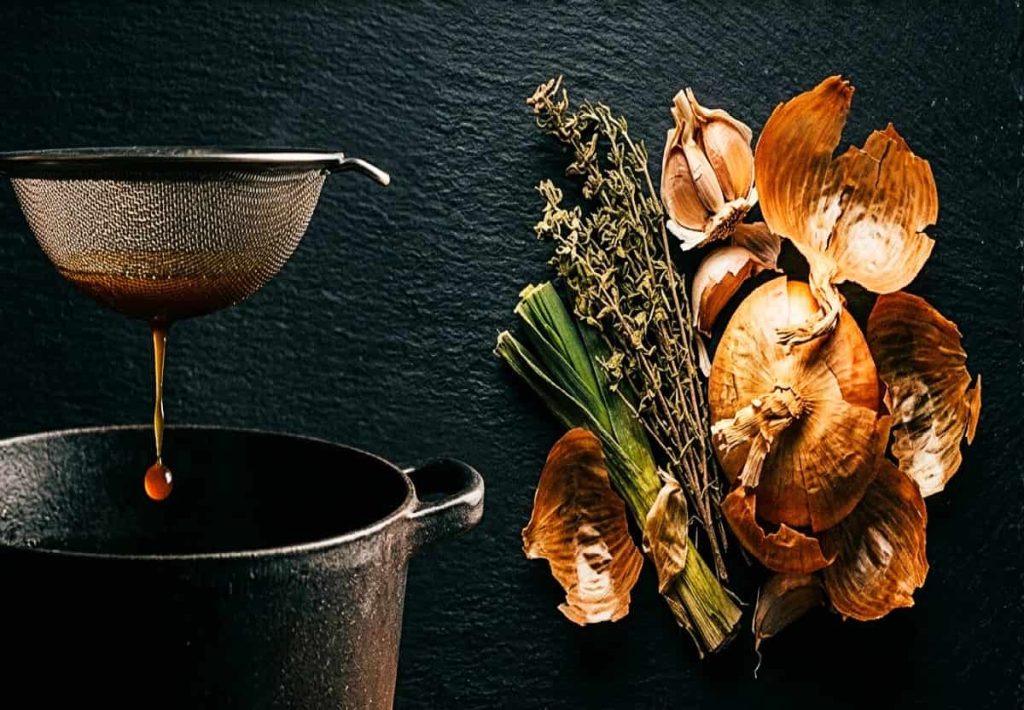
In a professional kitchen, nothing goes to waste, and this philosophy is the key to the best-tasting rice. Instead of using plain water, chefs often simmer a quick stock made from kitchen scraps—onion skins, garlic tips, and herb stems. By boiling these ‘scraps’ and straining the liquid to cook your rice, you achieve a depth of flavor that is essential to any perfect rice technique that a standard oil-and-onion sauté can never match. Adopting this high-standard approach is what ultimately defines a truly perfect rice technique, ensuring every meal you prepare reaches that professional level of quality.
FAQ: Perfecting Your Technique
Common Questions About the Perfect Rice Technique
Does seasoning before cooking make a difference? Absolutely. Seasoning the water allows the rice to absorb flavor as it hydrates. Seasoning after the rice is cooked only coats the surface and often leads to an uneven taste.
Why does my rice stick to the bottom even with oil? Sticking is usually a result of the heat being too high or an uneven distribution of water. Using the oven-baked method can provide 360-degree heat that eliminates scorched bottoms entirely.
Can I use these techniques for brown rice? Yes, but remember that brown rice requires more water (usually a 2:1 ratio) and a longer simmering time (around 25-45 minutes). The “tea towel rest” is even more effective for brown rice to help soften the outer bran layer.
Is it safe to leave rice on the counter to cool? Rice is highly perishable. To prevent food poisoning, cool your rice rapidly by spreading it out on a tray and refrigerate it within 90 minutes of cooking.
Disclaimer: The information in this article is for educational purposes only. Always prioritize proper food handling and storage to ensure safety. Consult official food safety guidelines for specific dietary concerns.
