When analyzing your daily protein requirements, the global nutritional conversation was dominated for decades by a single, static number: the Recommended Dietary Allowance (RDA) of 0.8 grams per kilogram of body weight. However, contemporary clinical consensus suggests this baseline figure represents a biological floor—the bare minimum required to prevent acute deficiency—rather than an optimized ceiling for health, longevity, and metabolic function.
According to molecular data on protein absorption dynamics provided by Gainful, establishing your precise daily protein requirements requires moving beyond static, outdated formulas. To truly optimize your metabolism, you must take an analytical approach that actively accounts for chronological age, physical activity velocity, and systemic metabolic stressors.
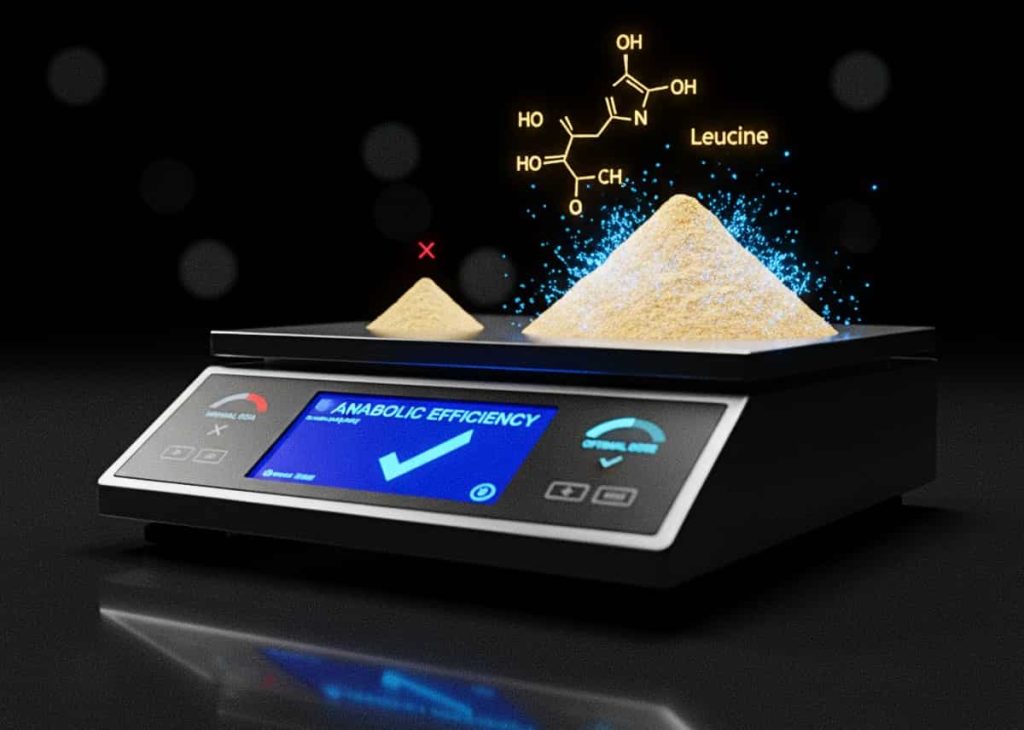
The Sliding Scale: Navigating Your Daily Protein Requirements
The human body does not possess a specialized storage compartment for protein in the same way it stores excess carbohydrates in the liver. Instead, it maintains a constant, dynamic state of turnover, requiring a steady, daily influx of essential amino acids to support everything from skeletal muscle repair to vital enzyme production.
When calculating your exact daily protein requirements, physiological demands shift dramatically across the lifespan. According to established clinical guidelines, the traditional baseline floor is entirely insufficient for those looking to optimize the aging process.
Overcoming Sarcopenia with Higher Protein Targets
By age 65, the human body faces a natural, progressive decline in muscle mass and functional strength known as sarcopenia. To actively counteract this degenerative process, geriatric nutrition specialists recommend increasing your target to 1.2 to 1.6 grams per kilogram of body weight. Adjusting your daily protein requirements to this significantly higher threshold is biologically necessary because aging tissues become less sensitive to traditional anabolic signals.
The Specialist’s Nuance: The “Protein Package”
A critical, ongoing debate in nutritional science involves what experts call the “protein package”—the specific molecular matrix in which the macronutrient arrives. If you are tracking your daily protein requirements, you must evaluate source quality. While animal-based proteins are structurally “complete”, they often come bundled with saturated fats. Conversely, plant-based sources offer rich dietary fiber, but they exhibit lower bioavailability and may require a more diverse daily intake.
Nitrogen Demands under Hypermetabolic Stress
Specialists also highlight that certain physical and physiological health conditions create an acute, “hypermetabolic” state within the human system. During recovery periods from invasive surgery, intensive athletic training cycles, or severe physical injury, the immune system and localized tissue repair mechanisms demand significantly higher nitrogen levels to rebuild cellular structures.
Clinical Target Thresholds
In these specific clinical scenarios, requirements can rapidly spike up to 2.0 grams per kilogram of body weight. Under these conditions, protein is no longer treated as a simple macronutrient; it functions as a vital, therapeutic component of wound healing, systemic recovery, and long-term immunological resilience.
Strategic Implementation: Timing vs. Total Volume
Emerging peer-reviewed research suggests that how you distribute your protein throughout the day may be just as biologically important as your total daily protein requirements in volume. The standard Western eating pattern—consisting of minimal protein at breakfast and a massive “loading” phase at dinner—is highly inefficient for muscle retention.
The human digestive system and skeletal muscles can typically process only 20 to 40 grams of protein in a single sitting for active muscle protein synthesis. Any massive excess consumed beyond this threshold is either oxidized by the liver for energy or converted into metabolic waste substrates.
The Leucine Trigger and Label Discrepancies
Distributing your calculated target evenly across three or four distinct meals ensures a persistent, rolling supply of leucine—the primary trigger amino acid responsible for turning on the body’s cellular repair machinery. However, not all protein grams listed on a commercial box are equal in the eyes of your metabolism. To understand how the supplement industry often premium-prices low-quality ingredients and obscures the actual biological value of what you eat when mapping out how much protein do you need a day, read our technical deep dive on Why Your Protein Labels are Lying: The DIAAS Score Revolution.
FAQ: Navigating Protein Myths and Realities
Can consuming a high-protein diet cause permanent damage to healthy kidneys? No. For individuals with baseline healthy kidney function, high-protein protocols have zero clinical evidence showing structural damage. Greater intake will not harm health, but if you are managing pre-existing chronic kidney disease (CKD), your daily protein requirements must be tightly restricted and managed under strict medical supervision.
Is plant-derived protein as effective as animal protein for triggering muscle growth? Yes, provided that your total amino acid thresholds are met. When structuring your diet to hit your targets, a balanced approach ensures you reach your exact daily protein requirements without depending exclusively on animal sources.
Are commercial protein shakes or powders absolutely necessary for the average person? They are a tool of convenience, never a biological necessity. Shakes are highly useful for hitting elevated protein targets and meeting how much protein do you need a day during calorie-restricted fat loss phases, or for individuals with suppressed appetites, such as the elderly.
How exactly does daily protein intake influence sustainable weight loss? Protein possesses a significantly higher Thermic Effect of Food (TEF) than fats or carbohydrates, meaning your body must burn more raw energy just to break down and digest its peptide bonds. Additionally, protein directly increases long-term satiety by suppressing hunger hormones like ghrelin, making it the most powerful tool for appetite management during a structured caloric deficit.
Medical Disclaimer: This content is for educational purposes only. Individual daily protein requirements can vary dramatically based on personal fitness levels, activity velocity, and lifestyle factors. Always consult a professional before making substantial changes to your nutritional protocols.
