The “plant-based” label has become a modern-day health halo. We see a green leaf and immediately register it as “clean.” But as the industry explodes, the gap between that idyllic farm image and the chemical reality of the factory is widening. Understanding the hidden ingredients in plant-based proteins is the first step to truly decoding your morning smoothie.
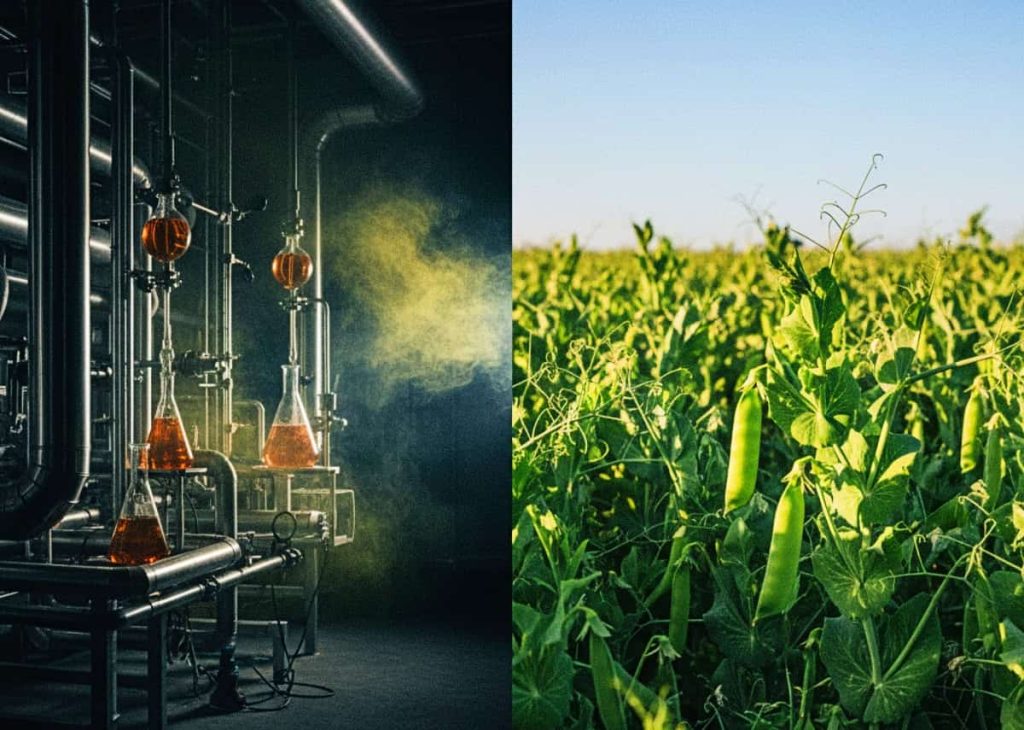
The Hexane Factor: How Your Protein is “Cleaned”
Most people assume that making pea or soy protein is a simple process of grinding and drying. To get those 90% isolates, manufacturers often use “wet fractionation” involving Hexane—a byproduct of gasoline refining.
The Neurotoxic Risk of Isolates
Hexane is classified as a neurotoxin. When you see “Protein Isolate,” you are looking at a product that has been chemically stripped. While the industry claims residues evaporate, the cumulative effect of a daily habit is one of the most concerning the hidden ingredients in plant-based proteins that rarely makes it to the front of the label.
The Organic Paradox: Why “Clean” Soil Can Be Toxic
This is a bitter pill: Organic plant proteins often contain higher levels of heavy metals. Plants like pea, rice, and hemp are “hyper-accumulators,” sucking up lead, arsenic, and cadmium from the earth.
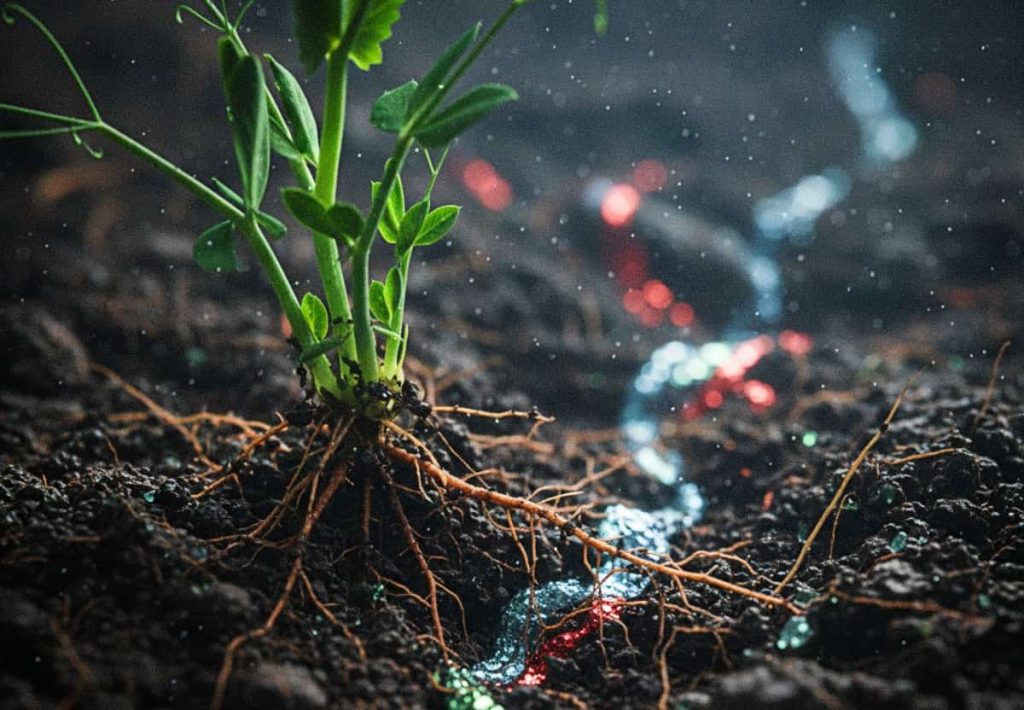
Heavy Metals and the Organic Label
Recent tests found that 47% of top-selling plant proteins exceeded safety limits. Because organic plants grow slower, they have more time to absorb these elements. This paradox proves that “Organic” doesn’t always mean “Clean” when it comes to the hidden ingredients in plant-based proteins.
The Chemistry of Nutrition: Absorption and Purity
Beyond the factory walls, there is the issue of nutrient reactivity. The problem with these “hidden” ingredients is that they aren’t just additives; they change the very nature of how our bodies process fuel. While the industry pushes for higher and higher percentages of protein, they often skip over the biological reality of how these nutrients are absorbed.
Bio-Chemical Complexity and Inflammation
Just as you wouldn’t want chemicals leaching from your cookware, you shouldn’t ignore the complexity of the plants themselves. This interaction is where “healthy” food can sometimes become an inflammatory trigger if the processing isn’t handled with extreme care.
Understanding Biological Complexity
For a deeper breakdown on the science of plant-based protein quality and amino acid profiles, it’s essential to understand that not all sources are created equal. Just as you wouldn’t want chemicals leaching from your cookware, you shouldn’t ignore the bio-chemical complexity of the plants themselves. This interaction is where “healthy” food can sometimes become an inflammatory trigger if the processing isn’t handled with extreme care.
Anti-Nutrients: The Thief in Your Shaker
Plants protect themselves with compounds called phytates and oxalates. These aren’t added by chemists; they are part of the plant’s DNA, yet they act as “hidden” blockers in your digestive tract.
Mineral Binding and Bioavailability
Phytates bind to minerals like calcium, zinc, and iron. You might be drinking a fortified shake, but you may only be absorbing a fraction of the nutrients due to the high anti-nutrient content in unfermented bases.
The “Natural Flavor” Loophole
To mask the bitter taste of plant isolates, companies rely on a “natural flavor” cocktail. Under FDA regulations, this term can hide up to 100 different chemical additives, including emulsifiers and solvents.
Engineering the Taste Buds
If your protein tastes like “Birthday Cake,” it’s not because of the plants; it’s because of a highly engineered chemical profile. These additives are among the most common the hidden ingredients in plant-based proteins used to trick your palate.
How to Be a Smarter Plant-Based Consumer in 2026
You don’t have to give up on plant proteins, but you do need to stop buying based on the “vibe” of the packaging.
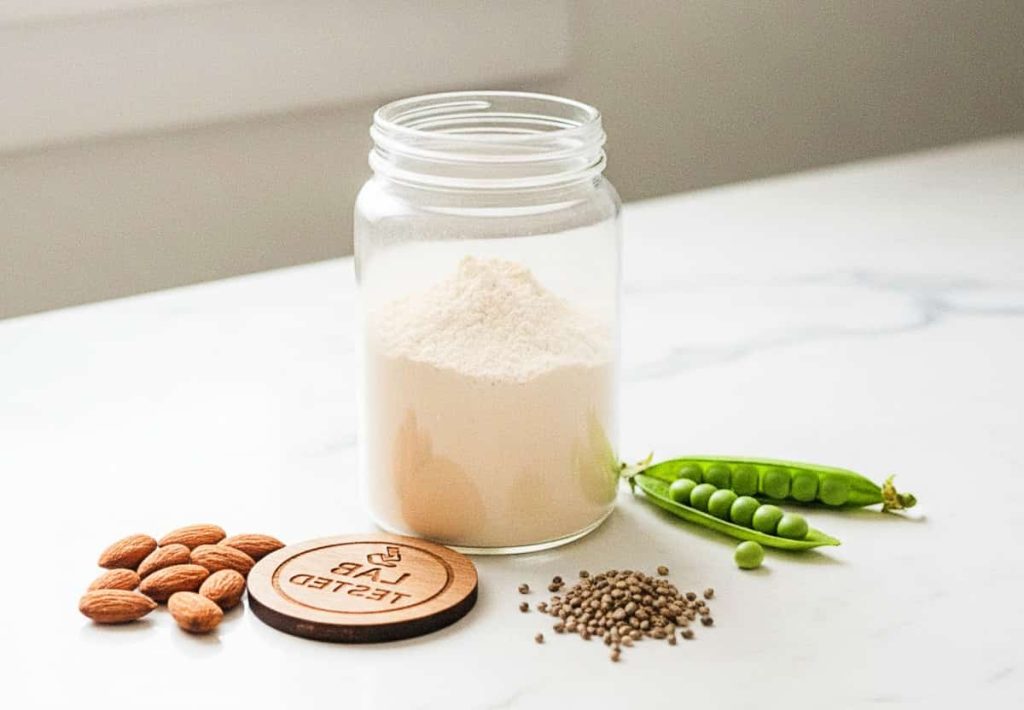
The Clean Label Checklist
- Look for “Third-Party Tested”: Labels like NSF or Clean Label Project are essential.
- Choose Concentrates over Isolates: They are less processed and avoid hexane.
- The “Vanilla” Rule: Vanilla powders consistently test lower for heavy metals than chocolate flavors.
- Prioritize Whole Foods: No factory can “isolate” the health out of a real bean.
The Reality of Kitchen Longevity and Health
We’ve been sold the idea that nutrition should be “effortless,” but the tools and foods that make it easy are often the ones that carry the most hidden costs. Understanding the real risk of ultra-processed food is the first step in moving away from the cycle of processed consumables. Whether it’s the pan you cook in or the powder you shake, the goal is the same: purity and performance without the chemical baggage.
FAQ: Your Questions Answered
Why does my protein shake give me gas?
It’s likely the thickeners like Xanthan Gum or Carrageenan. These are added for “mouthfeel” but can be incredibly hard on the gut.
Does “Sprouted” protein make a difference?
Yes! Sprouting reduces phytates, making the minerals among the hidden ingredients in plant-based proteins much more bioavailable.
Final Thoughts: Purity Over Convenience
We’ve been sold the idea that nutrition should be effortless, but the foods that make it easy often carry the most hidden costs. Whether it’s the powder you shake or the food you cook, the goal remains the same: performance without the chemical baggage.
Disclaimer: This content is for educational purposes only and is not medical advice. Always consult a healthcare professional before making dietary changes, especially regarding the hidden ingredients in plant-based proteins and potential exposure to heavy metals or neurotoxins.
