How to choose high-quality chocolate? This is a question that goes beyond simple sweetness; it’s about understanding bean origin, ingredient purity, and the science of tempering. Whether you are looking for health benefits or a gourmet experience, knowing how to read between the lines of a label is the first step to becoming a true connoisseur.
1. Ingredients: The “Less is More” Rule
High-quality chocolate doesn’t need a long ingredient list. In fact, the shorter the list, the more the natural character of the cacao bean can shine. When evaluating a bar, look for cocoa mass and cocoa butter as the first ingredients.
What to Avoid in the Label
Be wary of bars containing palm oil, hydrogenated fats, or artificial flavorings. If a label just says “vegetable fat,” it’s often a sign of a lower-quality product used to cut costs. Choosing a clean label isn’t just about taste; it’s about avoiding unnecessary additives. To understand how these impact your health, read our deep dive into [what is the real risk of ultra-processed foods].
Many chocolate professionals apply similar standards when evaluating quality. Expert criteria, as detailed in this guide on how to choose a chocolate bar, emphasize starting with a short, transparent ingredient list before looking at origin and cacao percentage. This professional approach ensures you are paying for the quality of the bean rather than clever marketing.
2. Understand the Main Types of Chocolate
Before diving into percentages, you must understand that the first step in how to choose high-quality chocolate is distinguishing between the three main types of cacao products.
- Dark Chocolate: Made with cocoa mass, cocoa butter, and sugar.
- Milk Chocolate: Adds milk powder for a creamier, sweeter balance.
- White Chocolate: Contains only cocoa butter, sugar, and milk (no cocoa solids).
The “Bloom” Misconception: Specialist’s Nuance
Have you ever found a dusty white coating on your chocolate? Many think it’s mold, but this is actually called “Bloom” (fat or sugar bloom). It happens due to temperature fluctuations. While it affects the “snap,” it is completely safe to eat. In the culinary world, there is a debate: purists say the texture is ruined, but food scientists emphasize it is a physical change, not spoilage.
3. Cacao Content and Metabolic Impact
The percentage (e.g., 70% or 85%) represents the total cocoa solids and butter combined. While higher doesn’t always mean “better,” it does change the chemical profile of your snack.
The Stimulant Factor: Theobromine vs. Caffeine
Beyond flavor, the percentage dictates the metabolic impact. High-quality dark chocolate is rich in theobromine, a natural vasodilator that provides a gentler energy boost compared to the sharp spike of caffeine. This is why a 70% bar is often recommended for focus without the jitters.
4. Cocoa Bean Origin and Variety
Single-origin bars let you taste unique regional characteristics, much like fine wine or specialty coffee:
- Peru: Fruity and bright.
- Madagascar: Tangy and vibrant.
- Ecuador (Nacional): Floral and nutty.
Rare Varieties to Look For
If you find bars labeled Criollo or Trinitario, you are looking at aromatic, high-quality beans that represent only a small fraction of global production.
Exploring these regional notes is one of the most rewarding parts of learning how to choose high-quality chocolate with a complex flavor profile.
5. How to Taste Chocolate Like a Pro
To master how to choose high-quality chocolate, you must also learn to evaluate the physical product through a professional tasting process.
- Look: It should be glossy and free from streaks.
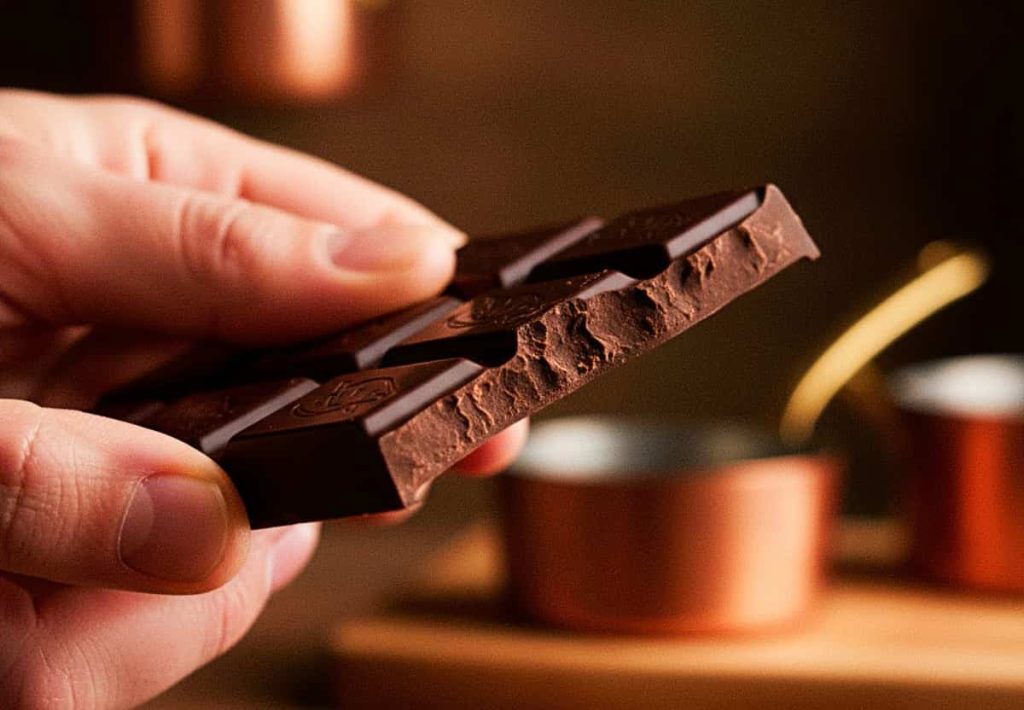
- Snap: A clean, loud break indicates proper tempering.
- Smell: Look for notes of fruit, earth, or flowers.
- Melt: Let it dissolve on your tongue to feel the “mouthfeel”—it should be silky, not waxy.
6. Storing for Preservation
To protect the delicate antioxidants (polyphenols), store chocolate between 15–18°C (59–64°F). Avoid the fridge, as the humidity can trigger the “sugar bloom” we mentioned earlier.
7. Ethical Sourcing and Certifications
Look for Direct Trade or Transparent Sourcing. This ensures the farmers were paid fairly, which almost always results in a better-tasting, higher-quality bean.
FAQ – How to Choose High-Quality Chocolate
When learning how to choose high-quality chocolate, is a higher cocoa percentage always a sign of better quality?
Quality over Quantity
Not necessarily. A 70% bar made with premium beans will taste better than a 90% bar made with low-grade, burnt beans.
Why is my chocolate soft and dull?
The Tempering Issue
This usually means the chocolate lost its “temper” (the crystal structure of the cocoa butter). It’s safe to eat but won’t have that professional snap.
How can I identify the tempering quality when learning how to choose high-quality chocolate?
The Snap and Gloss Test If your chocolate is soft, dull, or bends before breaking, it has likely lost its “temper” (the specific crystal structure of the cocoa butter). While still safe to eat, a lack of a clean snap is a primary indicator in how to choose high-quality chocolate that has been stored or processed correctly. High-quality tempering ensures the theobromine and fats are stable, providing that signature silky mouthfeel.
Conclusion Choosing chocolate is an art. By focusing on short ingredient lists, ethical origins, and proper storage, you ensure a superior experience for your palate and your health. Stay curious, and let every bite tell a story.
Disclaimer: This content is for educational purposes and does not constitute medical advice. While high-quality dark chocolate offers metabolic benefits, consult a healthcare professional regarding specific dietary needs or sensitivities to stimulants like theobromine.
