When nutrition is discussed in popular culture, protein is almost universally reduced to a single context: fitness performance and muscle mass. Visuals of gym shakers, post-workout meals, and high-protein diet trends dominate public perception. However, viewing amino acids merely as fuel for muscle hypertrophy misses the vastly complex biochemical reality that sustains human life every single second.
Beyond structural volume, the functions of protein in the human body represent an intricate survival network. From operating as microscopic cellular biological catalysts to regulating hormonal signaling and defending against invasive pathogens, amino acids serve as the foundational architecture of physiological existence. Understanding how these biological polymers operate opens a fascinating window into cellular metabolism, revealing why securing optimal protein intake is far more than a aesthetic choice—it is a non-negotiable requirement for systemic resilience.
1. Structural Architecture and Cellular Frameworks
At the most tangible level, proteins provide the physical scaffolding that holds the human frame together, representing one of the most visible structural functions of protein. Collagen, the most abundant structural protein in the body, forms the fibrous net that gives strength to skin, tendons, ligaments, and bones. Without continuous amino acid turnover, structural integrity rapidly degrades.
Inside every cell, an invisible internal skeleton—the cytoskeleton—relies on proteins like tubulin and actin to maintain cellular shape, facilitate intracellular transport, and enable cell division. When tissue damage occurs, whether from daily physical wear or acute mechanical injury, localized synthesis accelerates to reweave damaged cellular matrices. This continuous cycle of degradation and synthesis ensures that organs retain their structural boundary and functional capacity over time, illustrating the fundamental functions of protein in the human body.
2. Enzymatic Catalysis: The Acceleration of Life
Metabolism is fundamentally a sequence of chemical reactions that would occur far too slowly to sustain human life without biological catalysts. Enzymes, which are specialized globular proteins, lower the activation energy required for these reactions, accelerating chemical processes by millions of times and demonstrating one of the most dynamic functions of protein in cellular biology.
Every phase of digestion relies on specific enzymatic proteins:
- Amylase breaks down complex carbohydrates into simple sugars.
- Proteases cleave dietary proteins into absorbable peptide chains and individual amino acids.
- Lipases dismantle fat molecules for cellular absorption.
For a deeper look into how processing alters these digestive mechanisms, explore our detailed analysis on what does whey protein do to the body? 7 proven science-backed benefits Beyond digestion, metabolic enzymes orchestrate DNA replication, cellular energy generation within the mitochondria, and toxin neutralization in the liver. Without these enzymatic functions of protein in the human body, cellular communication and energy extraction would instantly grind to a halt.
3. Hormonal Signaling and Systemic Communication
While the nervous system uses electrical impulses for rapid communication, the endocrine system relies heavily on chemical messengers to carry out the systemic signaling functions of protein. Many key hormones are peptide or protein-based molecules that travel through the bloodstream to regulate complex physiological processes across distant organs.
Insulin and glucagon, both peptide hormones synthesized in the pancreas, continuously balance blood glucose levels to maintain metabolic stability. Growth hormone orchestrates tissue development and cellular repair, while peptide messengers in the digestive tract regulate appetite, satiety, and gastric motility. These chemical signals ensure that distinct organ systems operate in unified harmony, proving that the functions of protein extend far beyond physical structure into complete physiological regulation.
4. Immune Defense and Molecular Recognition
The human immune system depends fundamentally on protein architecture to identify and eliminate biological threats. Antibodies—also known as immunoglobulins—are specialized Y-shaped proteins produced by B lymphocytes that recognize specific foreign invaders, such as bacteria, viruses, and toxic proteins.
| Estrutura da Proteína | Componente |
\ / | [ Antigen Binding Site ] |
| | | Immunoglobulin (Antibody) |
/ \ | Protein Structure |
When an antibody identifies a pathogen, it binds directly to the foreign antigen, neutralizing its harmful effects or marking it for destruction by white blood cells. Furthermore, complement proteins circulating in the bloodstream act as a rapid cascade defense, poking holes in foreign bacterial cell membranes. During periods of physiological stress or severe immune challenge, the body’s requirement for high-quality amino acids spikes dramatically to maintain antibody synthesis and protect vulnerable mucosal barriers, proving how essential these protective functions of protein in the human body are for survival.
5. Molecular Transport and Fluid Equilibrium
Nutrients, gases, and metabolic waste cannot move freely through the body without dedicated transport mechanisms, underscoring the transport functions of protein in cellular survival. Hemoglobin, a complex iron-containing protein within red blood cells, binds oxygen in the lungs and delivers it to oxygen-starved tissues throughout the body, while carrying carbon dioxide back for exhalation. Simultaneously, specialized transport proteins embedded within cell membranes act as gatekeepers, regulating the passage of essential minerals like sodium, potassium, and calcium into and out of cells to sustain vital cellular mechanisms.
Protein also plays a decisive role in fluid balance, representing one of the most essential physiological functions of protein in the human body. Albumin, the principal protein circulating in blood plasma, creates oncotic pressure—a physical force that holds water inside blood vessels. When plasma protein levels drop significantly due to severe malnutrition or liver dysfunction, fluid leaks into surrounding interstitial spaces, causing clinical edema (swelling).
6. Acid-Base Balance and pH Homeostasis
Human survival depends on keeping blood pH within a remarkably narrow window, typically between 7.35 and 7.45. Even minor deviations outside this range can alter enzymatic structure and disrupt cellular performance, proving how vital the buffering functions of protein are for metabolic safety
Proteins function as vital biological buffers due to their amphoteric nature, meaning they can act as either acids or bases depending on the surrounding environment. The amino acid side chains can accept excess hydrogen ions ($H^+$) when conditions become too acidic, or release hydrogen ions when conditions become too alkaline. By continuously absorbing or donating charged particles, circulating blood proteins help protect the body against sudden, potentially dangerous shifts in systemic pH, highlighting one of the most critical functions of protein in the human body.
7. Emergency Energy Source and Gluconeogenesis
Although carbohydrates and dietary fats serve as the body’s primary energy substrates, proteins offer a vital metabolic safety net during prolonged fasting, intense endurance exertion, or severe caloric restriction When immediate glycogen stores are exhausted, the liver initiates a pathway known as gluconeogenesis. Through this biochemical process, specific glucogenic amino acids derived from dietary sources or skeletal muscle breakdown are converted directly into glucose to fuel the brain and red blood cells. While relying on protein for energy is metabolically inefficient and can lead to muscle wasting over time, this adaptive flexibility highlights the sheer versatility of amino acids in preserving baseline survival.
Nuance Check: Do All Proteins Function Equally?
While public health guidelines often present protein as a single nutritional category, expert opinion reveals important nuances regarding protein quality, source, and individual physiological demands.
| ANIMAL SOURCES (Complete) | PLANT SOURCES (Complementary) |
| High Bioavailability (PDCAAS ~1.0) | Varied Amino Acid Profiles |
| Rich in Essential Amino Acids | Abundant Fiber & Phytonutrients |
| Meat, Fish, Eggs, Dairy | Legumes, Grains, Nuts, Seeds |
Animal vs. Plant Protein Profiles
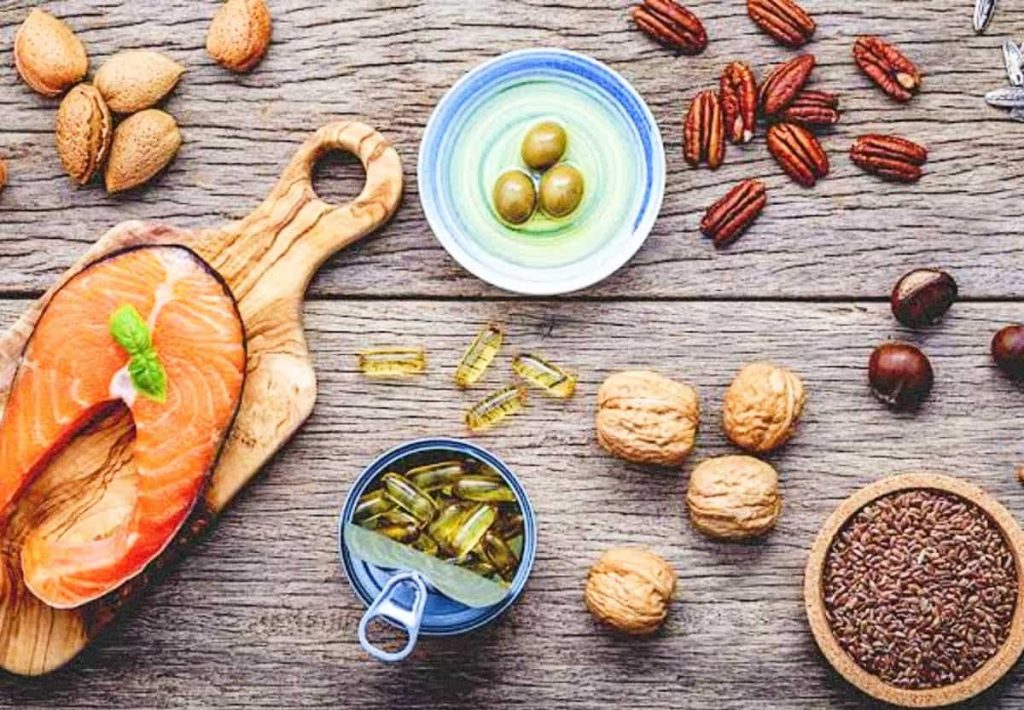
Scientists broadly agree that animal-derived proteins (meat, fish, eggs, dairy) are “complete” proteins, containing all nine essential amino acids in proportions that closely match human physiological requirements to carry out all vital functions of protein. Conversely, individual plant sources (beans, grains, nuts) often lack sufficient levels of one or two essential amino acids, such as lysine or methionine. However, modern clinical consensus confirms that consuming a diverse variety of plant proteins throughout the day easily supplies a complete amino acid profile necessary to maintain the fundamental functions of protein. Furthermore, plant sources offer additional benefits like dietary fiber and protective phytonutrients, while animal sources provide higher biological availability and concentrated essential minerals like heme iron and zinc.
The Debate on Protein Requirements
How much protein is truly optimal to support the biological functions of protein remains a subject of ongoing discussion among clinical researchers:
- Baseline Recommendations: Standard guidelines recommend approximately 0.8 grams of protein per kilogram of body weight for healthy, sedentary adults to satisfy baseline metabolic functions of protein and prevent deficiency.
- Elevated Demand Perspectives: Many sports scientists and clinical nutritionists argue that active individuals, aging adults facing sarcopenia (age-related muscle loss), and individuals recovering from metabolic stress thrive on significantly higher intakes—ranging from 1.2 to 2.0 grams per kilogram—to optimize all systemic functions of protein.
While excess protein consumption places additional filtration demands on the kidneys, evidence shows this is generally harmless in individuals with normal renal function. However, those with pre-existing kidney conditions must carefully monitor nitrogen intake.
Practical Implementation: Optimizing Amino Acid Quality and Safety
To support the diverse functions of protein in the human body, dietary choices must emphasize both nutrient density and practical food safety.
Diversifying Daily Sources
Integrating a broad array of protein foods ensures a balanced spectrum of amino acids and co-nutrients:
- Lean Animal Proteins: Poultry, wild seafood, and eggs offer rich essential amino acids alongside vital micronutrients like vitamin B12 and choline.
- Cultured Dairy: Greek yogurt and kefir supply bioavailable whey and casein alongside beneficial probiotics for gut health.
- Legumes and Whole Grains: Lentils, chickpeas, black beans, and quinoa provide complex carbohydrates, fiber, and plant protein.
Food Safety and Culinary Care
Because raw or improperly handled high-protein foods carry risks of foodborne pathogens like Salmonella, Listeria, and E. coli, proper culinary protocols are essential. Animal proteins should always be cooked to recommended internal temperatures, pasteurized dairy products should be prioritized, and strict cross-contamination rules—such as using separate cutting boards for raw meats and fresh produce—must be maintained in the kitchen.
Understanding the balance between macro goals and product quality is equally critical when utilizing processed derivatives. For instance, evaluating How to Choose High-Quality Whey Protein: 4 Ways to Avoid Amino Spiking helps consumers identify clean, unadulterated supplement options that support tissue repair without added fillers. Likewise, determining individual daily requirements is not a one-size-fits-all calculation. Exploring How much protein do you need a day? provides actionable frameworks for tailoring amino acid target goals to personal age, physical activity, and metabolic status. Additional evidence-based dietary recommendations can also be explored through the World Health Organization Healthy Diet Guidelines.
Frequently Asked Questions
Can the body store excess protein for later use?
No. Unlike carbohydrates (stored as glycogen) or dietary fats (stored as adipose tissue), the human body has no specialized storage reservoir for excess amino acids. Once the vital functions of protein—such as tissue repair and enzyme production—are fulfilled, surplus protein consumed beyond immediate metabolic or structural demands is broken down. The nitrogen component is excreted via urea in urine, while the remaining carbon backbone is converted into glucose or stored as fat.
What happens if the body does not get enough essential amino acids?
Out of the 20 amino acids required to maintain all biological functions of protein, 9 are classified as essential, meaning the body cannot manufacture them internally. If dietary intake lacks these essential precursors, the body begins degrading its own functional tissues—primarily skeletal muscle—to supply the necessary amino acids to sustain critical biological centers like the heart, liver, and immune system.
Does high protein intake cause kidney damage in healthy individuals?
Scientific literature indicates that high dietary protein intake does not cause kidney damage in individuals with normal, healthy renal function, even when supporting the high metabolic functions of protein. However, digesting protein produces nitrogenous waste products that require filtration by the kidneys. For individuals with existing chronic kidney disease or compromised renal clearance, high protein diets increase metabolic strain and must be carefully restricted under clinical supervision.
Is plant protein absorbed as efficiently as animal protein?
Generally, plant proteins have slightly lower digestibility and a somewhat less balanced essential amino acid profile compared to animal sources, largely due to the presence of plant cell walls and anti-nutrients like phytates. However, cooking, sprouting, and combining diverse plant foods significantly improves amino acid bioavailability, making plant-based diets fully capable of supporting all systemic functions of protein in the human body.
Medical Disclaimer: This article is for informational and educational purposes only and does not replace professional medical advice, diagnosis, or treatment. Always consult a qualified doctor or nutritionist before making any changes to your diet or health routine.

Research & Metabolic Specialist: Dedicated to uncovering the cellular impact of dietary patterns, Emma leads our Scientific Review Process. With a background in Nutritional Biology, she ensures every insight is grounded in evidence while addressing the inherent complexities and debates within the scientific community.