Understanding the essential functions of protein in the human body is fundamental to maintaining optimal health, muscle architecture, and cellular repair. Every tissue and organ relies on amino acids—the structural building blocks of protein—to drive metabolism, produce enzymes, and support ongoing biological renewal. While dietary needs vary based on activity levels and physiological demands, securing high-quality, safe protein sources remains a core pillar of daily human nutrition.
Chemotherapy and radiation therapies frequently induce neutropenia, a severe drop in circulating white blood cells that leaves the gastrointestinal tract and bloodstream vulnerable to opportunistic pathogens. Consequently, providing adequate nutrition becomes a precise balance between fulfilling hyper-metabolic energy demands and enforcing strict micro-biological safety standards.
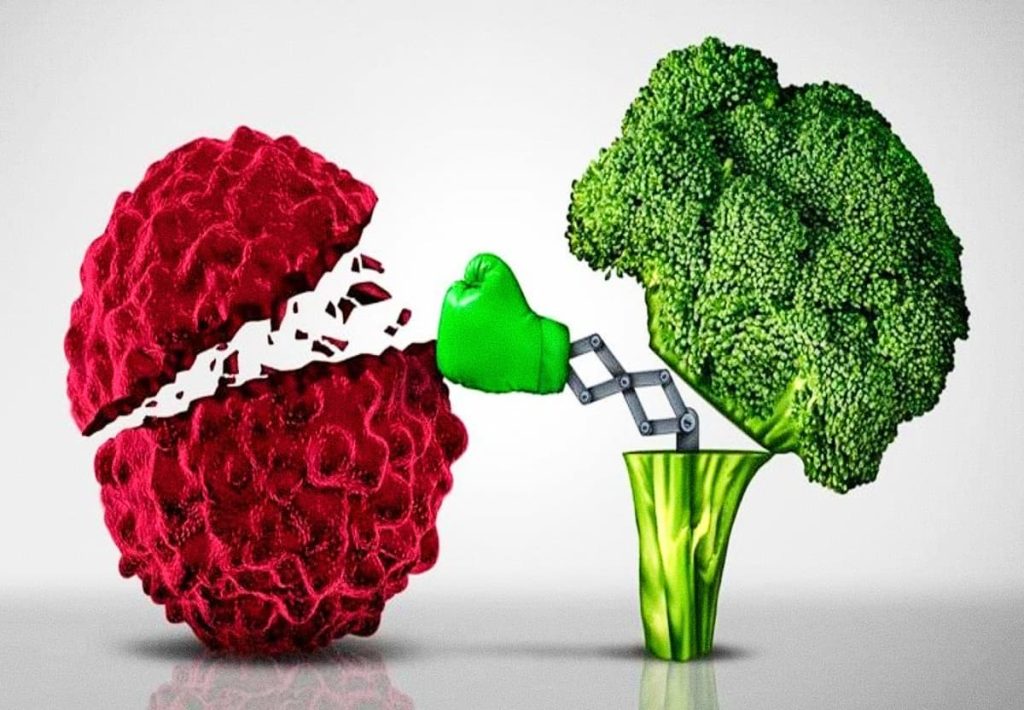
Key Functions of Protein in the Human Body and Cellular Repair
Traditional myths often lead individuals to prematurely eliminate animal proteins, operating under the incorrect assumption that dietary nitrogen fuels malignant tissue growth. In reality, avoiding protein sources accelerates muscle wasting and impairs cellular repair pathways. Understanding the fundamental functions of protein in the body clarifies why maintaining amino acid balance remains critical during oncological care.
| STEP 1: NUTRITIONAL NEED | STEP 2: PATHOGENIC HAZARD | STEP 3: CLINICAL STRATEGY |
| Accelerated Muscle Wasting & Catabolism | Foodborne Germs (Salmonella, E. coli, Staph, Listeria) | Thorough Thermal Processing & Sterilization |
When integrating whole protein sources like poultry, red meat, eggs, and seafood into a therapeutic recovery plan, thermal processing is essential:
- Poultry and Meat Processing: Whole poultry must reach an internal temperature of 165°F (74°C), while ground meats require 160°F (71°C) to eliminate surface and deep-tissue bacterial colonies. Meats must never display pink or red centers.
- Egg Safety Standards: Raw or undercooked eggs pose a severe risk of Salmonella infection. Yolks and whites must be cooked entirely solid, strictly avoiding soft-boiled preparations, Caesar dressings made with raw eggs, hollandaise sauces, or unbaked batters.
- Seafood and Tofu Integrity: Raw fish, sushi, sashimi, and unpasteurized oysters are completely contraindicated during active treatment stages. Tofu requires active boiling or frying for at least five minutes prior to consumption.
Adhering to these strict cooking guidelines allows the body to safely process animal-derived amino acids without exposing compromised immune systems to life-threatening infections.
Aqui estão novas seções estruturadas hierarquicamente com H2, H3 e H4, mantendo o rigor científico, a densidade SEO e a integração natural da palavra-chave functions of protein in the human body:
Physiological Impacts of Inadequate Protein Intake
Insufficient amino acid availability directly compromises systemic biological stability. When daily dietary consumption falls below metabolic demands, structural degradation accelerates across active organ systems, impairing the primary functions of protein in the human body.
Physiological Mechanisms of Tissue Degradation
The human body maintains an ongoing equilibrium between muscle protein synthesis (MPS) and muscle protein breakdown (MPB). In states of persistent amino acid deficiency, the body enters a chronic catabolic state, sacrificing skeletal muscle tissue to supply essential precursor molecules to vital physiological centers.
Nitrogen Balance and Systemic Catabolism
Without continuous dietary intake, negative nitrogen balance develops, directly disrupting critical functions of protein in the human body such as metabolic enzyme synthesis, structural remodeling, and hormonal regulation.
Immune Dysfunction and Mucosal Vulnerability
Severe protein deficiency severely impairs secretory IgA synthesis and cellular immunity, directly compromising key protective functions of protein in the human body within gut-associated lymphoid tissue (GALT).
Clinical Strategies to Restore Biological Protein Efficiency
Optimizing dietary intake requires more than simply calculating total daily grams. Meal distribution patterns and amino acid composition dictate how effectively tissue recovery occurs under metabolic stress.
Optimizing Amino Acid Kinetics
The biological utilization of dietary amino acids depends heavily on digestion rates and essential amino acid profiles, particularly essential branched-chain amino acids like leucine.
The Leucine Trigger for Muscle Protein Synthesis
Reaching a threshold of 2.5 to 3.0 grams of leucine per meal is required to fully activate the mTOR pathway, driving the structural recovery functions of protein in the human body.
Strategic Distribution Across Daily Meals
Dividing target intake into balanced boluses every 3 to 4 hours optimizes systemic retention, ensuring continuous support for the essential functions of protein in the human body without overwhelming gastrointestinal processing capacity.
Dairy Intake and the Clinical Nuance Check
Dairy products offer an exceptionally efficient mix of highly bioavailable protein, calcium, and essential calories—making them a valuable tool for preventing unintentional weight loss. However, the role of dairy during oncological therapy involves nuanced considerations that extend beyond basic caloric intake.
| PROVEN ADVANTAGES | CLINICAL RISKS |
| • Prevents lean tissue catabolism | • Unpasteurized pathogens (Listeria) |
| • Highly bioavailable protein/calcium | • Secondary lactose intolerance |
| • Protective link to colorectal health | • Observational links to prostate risk |
The clinical dialogue surrounding dairy intake involves distinct physiological trade-offs:
While pasteurized dairy offers an accessible path to meet daily macronutrient targets, supplement selection requires equal scrutiny. For individuals integrating processed dairy derivatives, understanding How to Choose High-Quality Whey Protein: 4 Ways to Avoid Amino Spiking is essential to ensure maximum biological value and avoid synthetic fillers during systemic recovery.
- Microbiological Safety: Unpasteurized raw milk and soft, mold-ripened, or blue-veined cheeses (such as Brie, Camembert, Roquefort, or Gorgonzola) present significant Listeria and fungal risks. Only commercial dairy clearly labeled as fully pasteurized should be consumed.
- Gastrointestinal Tolerance: Radiation therapy directed at the abdomen or specific systemic chemotherapies can damage the intestinal brush border, temporarily reducing the body’s natural production of the lactase enzyme. In these cases, switching to lactose-free milk, cultured yogurts with reduced lactose content, or utilizing oral lactase enzymes helps prevent severe diarrhea and nutrient malabsorption.
- Epidemiological Nuance: Scientific consensus demonstrates that dairy consumption reduces the risk of colorectal cancer, likely due to the protective effects of calcium within the gut lumen. Conversely, epidemiological data suggests that high calcium intakes might correlate with an increased risk of prostate cancer. Clinical guidelines emphasize that the immediate benefits of preserving lean muscle mass and preventing systemic malnutrition during active cancer treatment far outweigh these long-term observational risks.
| SHOPPING FOCUS | COLD-CHAIN STORAGE | CROSS-CONTAMINATION |
| Avoid dented cans, soft-serve ice cream, and bulk food bins. | Maintain fridge below 40°F (4°C); store raw meats at the bottom. | Use separate cutting boards for raw meats and produce. |
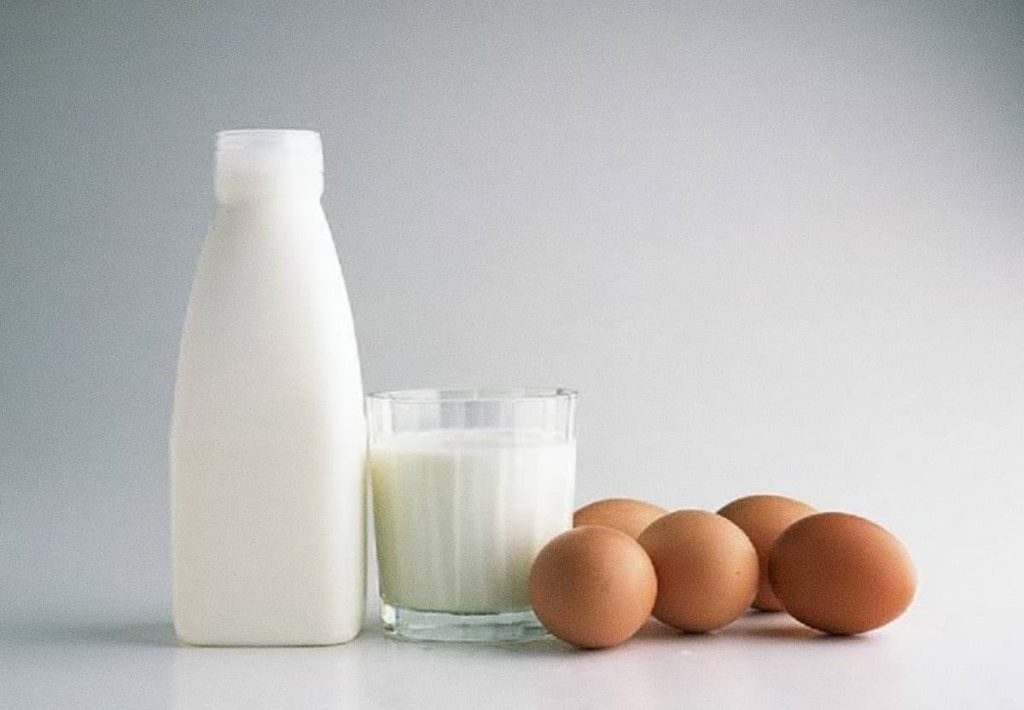
Culinary Safety Rules for the Neutropenic Kitchen
Preparing nutrient-dense meals for an immunocompromised individual requires maintaining strict safety conditions throughout food selection, storage, and preparation. When severe neutropenia limits immune defenses, safe culinary practices ensure that essential functions of protein in the human body—such as tissue repair and antibody synthesis—are supported without introducing foodborne pathogens. Microscopic cross-contamination that might cause mild gastroenteritis in a healthy adult can trigger severe, localized infections in a vulnerable patient.
Standard kitchen hygiene guidelines require several precise adjustments during active treatment:
- Thermal Separation: Raw meat juices must never come into contact with ready-to-eat produce or cooked items. Kitchens should utilize color-coded cutting boards and sanitize all preparation surfaces with thermal, soapy water or medical-grade wipes before and after handling animal sources. This prevents bacterial cross-contamination while preserving the critical functions of protein in the human body obtained through safe, high-quality meats.
- Cold-Chain Management: Perishable high-protein foods must not sit at room temperature for more than one hour, particularly preparations containing eggs, dairy, or mayonnaise. Refrigerators must maintain a constant internal temperature of 40°F (4°C) or lower to slow bacterial proliferation and protect the biological integrity of amino acids necessary for maintaining the functions of protein in the human body.
- Elimination of Environmental Vectors: Raw vegetable sprouts (including alfalfa and mung bean), unpasteurized fresh juices, raw honey, open salad bars, and bulk self-serve containers expose individuals to uncontrolled environmental bacteria. Eliminating these risks guarantees that daily dietary intake safely fulfills the fundamental functions of protein in the human body without compromising clinical recovery.
When managing dietary restrictions based on disease stages and individual tolerance, clinical evaluations emphasize adjusting protein and nutrient intake to specific systemic responses. Further detailed insights on oncological dietary protocols and individualized patient care are outlined in the Vinmec Cancer Nutrition Guidelines.
Adapting Nutrition Strategies to Side Effects
Cancer therapies frequently cause secondary side effects that interfere with adequate nutrient intake and compromise the essential functions of protein in the human body. Evaluating How much protein do you need a day? allows clinicians and individuals to establish a precise baseline that balances muscle preservation with digestive tolerance during complex treatments.
- Chewing and Swallowing Impairments: Mucositis or throat inflammation requires transitioning from dry solids to semi-solid textures. Thickened liquids, pureed poultry stirred into broths, and high-protein smoothies provide necessary amino acids to sustain the biological functions of protein in the human body while minimizing mechanical mucosal irritation.
- Taste Alterations and Nausea: Chemotherapy can induce heightened sensitivity to bitter metallic notes or strong odors. Serving protein dishes chilled or at room temperature reduces volatile aromas. Blander options, such as cottage cheese, cold poached poultry, or almond-milk shakes, protect the primary functions of protein in the human body by offering gentler, highly tolerable alternatives to hot, heavily seasoned meats.
- Dumping Syndrome: Surgical resections of the gastrointestinal tract can cause rapid gastric emptying, leading to severe cramping and fluid shifts. Managing this condition requires dividing intake into smaller, frequent meals, limiting refined simple sugars, consuming fluids between meals rather than with them, and emphasizing complex sources that preserve the vital functions of protein in the human body along with healthy fats.
Frequently Asked Questions
Is it safe to consume plant-based protein powders during chemotherapy?
Yes, provided the plant-based protein powder is commercially packaged, thoroughly tested for heavy metals, and mixed with pasteurized liquids. Utilizing high-quality powders helps sustain the essential functions of protein in the human body, such as cellular repair and tissue maintenance, when solid foods are difficult to tolerate. However, open bulk-bin powders or unverified herbal additives must be avoided to prevent interactions with active chemotherapy agents.
Should cancer patients completely eliminate raw fruits and vegetables?
No. Raw produce does not need to be eliminated entirely, provided it is washed thoroughly under cold running water and thick-skinned items are scrubbed with a clean brush. While plant foods offer key micronutrients, preserving the core functions of protein in the human body requires balancing safe produce with adequately cooked, high-protein foods. High-risk raw items like unwashed pre-packaged greens, unpasteurized juices, and raw sprouts must be strictly avoided during periods of severe neutropenia.
How can protein intake be increased if a patient develops an aversion to meat?
When red meat or poultry becomes unpalatable due to taste changes, key functions of protein in the human body—such as preserving lean muscle mass and supporting immune defenses—can be sustained using alternative protein sources. High-protein alternatives like pasteurized cottage cheese, hard-boiled eggs, smooth nut powders or nut butters, low-fat yogurt, and bland dairy-based nutrition shakes provide gentle, easily tolerated options to meet daily target intake.
Why does severe muscle loss occur during medical treatments, and how does diet help?
Systemic inflammation and altered metabolic demands during intensive medical treatments accelerate muscle degradation and fat loss. Ensuring adequate amino acid intake supports the primary functions of protein in the human body, which include repairing damaged tissues, synthesizing vital hormones, and preserving lean skeletal muscle mass during metabolic stress.
What are the safest pasteurized dairy options to meet daily protein needs?
Commercially pasteurized products such as Greek yogurt, cottage cheese, hard cheeses (like cheddar and parmesan), and ultra-filtered milk are exceptionally safe options. Incorporating these nutrient-dense foods helps fulfill the key functions of protein in the human body—such as driving enzyme activity and supporting cellular repair—without exposing vulnerable individuals to foodborne pathogens.
How do cooked eggs contribute to daily protein requirements safely?
Fully cooked eggs—where both the yolk and white are completely firm—are an excellent, highly bioavailable source of complete amino acids. Consuming well-cooked eggs activates the critical functions of protein in the human body, including antibody production and tissue recovery, while eliminating the risk of Salmonella contamination associated with raw or soft-boiled preparations.
Medical Disclaimer: The information provided in this article is for educational and informational purposes only and is not intended as medical advice, diagnosis, or treatment. Nutritional needs during cancer care vary significantly based on individual health status, cancer type, and treatment regimens. Always consult a qualified oncologist, clinical dietitian, or healthcare professional before making any dietary changes or introducing new food protocols during active cancer treatment.

Research & Metabolic Specialist: Dedicated to uncovering the cellular impact of dietary patterns, Emma leads our Scientific Review Process. With a background in Nutritional Biology, she ensures every insight is grounded in evidence while addressing the inherent complexities and debates within the scientific community.