For years, red meat has been treated like a dietary villain. One week, headlines warn about heart disease. The next, social media claims steak is unfairly blamed while processed foods quietly do more damage. Somewhere between fear and fascination, many people are left wondering which red meat is actually the worst for health.
The surprising answer is that the unhealthiest red meat is not always the fattiest cut or the occasional burger cooked at a backyard barbecue. In many cases, the biggest concern comes from how the meat is processed, preserved, cooked, and consumed over time.
That distinction matters.
A slow-cooked lean beef stew eaten occasionally is very different from a daily routine built around bacon, sausages, deli slices, and heavily processed fast-food meat products. Yet those foods are often grouped together under the same label: red meat.
The conversation becomes even more complicated because red meat is not nutritionally empty. It contains highly absorbable iron, vitamin B12, zinc, creatine, and complete protein. For some people, especially older adults or individuals struggling with protein intake, those nutrients can be valuable.
The real issue is not whether red meat is “good” or “bad.” The deeper question is which forms appear to create the highest biological cost when eaten frequently.
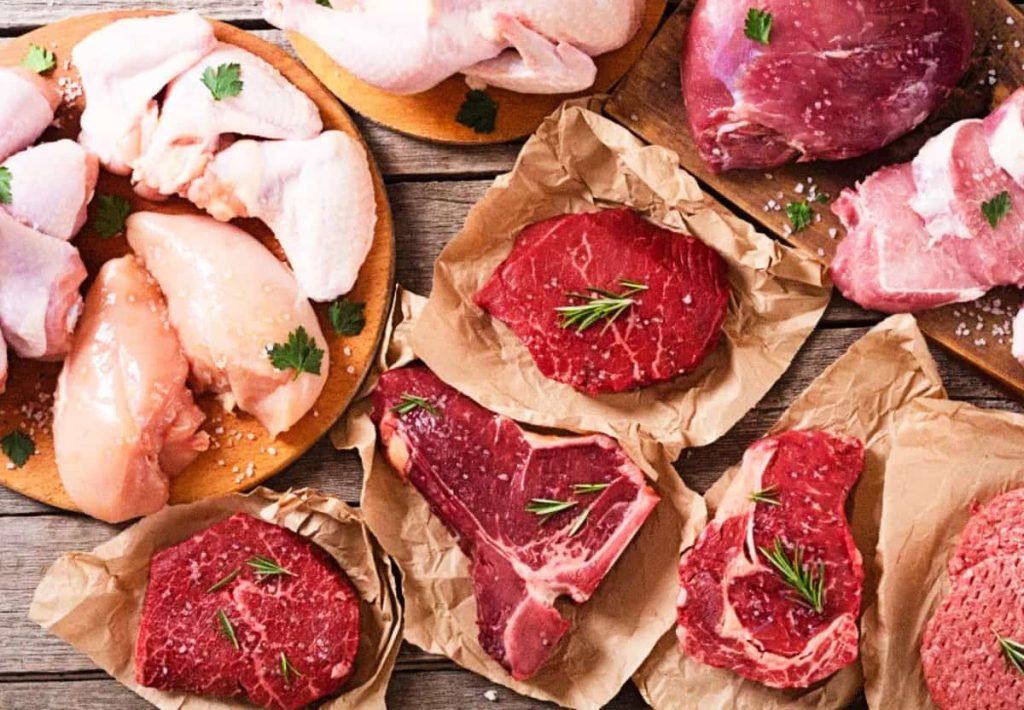
The Most Problematic Red Meats Are Usually the Most Processed Ones
Among nutrition researchers, processed red meats consistently raise the most concern.
Problematic Categories
That category includes foods such as:
- Bacon
- Hot dogs
- Sausages
- Salami
- Pepperoni
- Ham
- Bologna
- Pastrami
- Many packaged deli meats
These products often contain a combination of factors linked to poorer health outcomes: high sodium levels, preservatives, saturated fat, smoke compounds, and chemical additives used to extend shelf life or intensify flavor.
When trying to identify the unhealthiest red meat, it is crucial to recognize that the damage is often cumulative. While a single serving of processed deli meat may not cause immediate harm, routine consumption transforms the unhealthiest red meat choices into a significant risk factor for metabolic syndrome. By prioritizing fresh, minimally processed protein, you effectively remove the most dangerous variables from your plate.
The Role of Preservation and Chemistry
The preservation process itself appears to matter.
When meats are cured or processed with nitrates and nitrites, those compounds can transform during digestion or high-heat cooking into substances associated with cellular damage. Researchers have spent years studying this connection, particularly regarding colorectal cancer and cardiovascular disease.
This is one reason why major health organizations tend to separate fresh red meat from processed meat rather than treating them identically.
Ironically, many processed meats are also designed to be extremely easy to overconsume. They are salty, hyper-palatable, convenient, inexpensive, and heavily marketed. A grilled steak may require preparation and portion awareness. Processed meat products are often eaten mindlessly throughout the day.
That pattern may be just as important as the meat itself.
Why Bacon Often Ends Up at the Center of the Debate
If one red meat repeatedly appears in discussions about unhealthy choices, it is bacon.
The Perfect Storm of Processing
Bacon combines several characteristics that nutrition experts typically flag:
- High sodium density
- Significant saturated fat
- Preservatives used during curing
- Frequent high-temperature cooking
- Easy overconsumption
A few strips may not seem significant, but bacon rarely exists in isolation. It often appears alongside refined carbohydrates, fried foods, sugary sauces, or oversized breakfast meals.
Many nutritionists consistently label bacon as the unhealthiest red meat because of its unique combination of nitrates, excessive sodium, and high-temperature cooking requirements. This trifecta makes it easier to understand why bacon remains the most scrutinized item when searching for the unhealthiest red meat in a modern diet.
There is also the cooking factor. Very high temperatures can produce compounds linked to oxidative stress and inflammation. Crispy, charred, blackened edges may deliver flavor, but they also change the chemistry of the meat.
The Nuance of the Scientific Conversation
Still, the scientific conversation contains nuance.
The Lifestyle Factor
Some researchers argue that lifestyle patterns surrounding processed meat consumption may contribute heavily to the risk picture. People who eat large amounts of processed meat may also smoke more, consume fewer vegetables, exercise less, or rely more heavily on ultra-processed foods overall.
That does not erase concerns about processed meat, but it helps explain why experts rarely present the issue as completely black and white.
The Difference Between Fresh Red Meat and Processed Meat
One of the biggest misconceptions in nutrition is the idea that all red meat behaves the same way in the body. Fresh cuts of beef, lamb, pork, venison, or bison differ substantially from industrially processed products.
Fresh Cuts and Nutritional Value
A lean sirloin steak, for example, provides protein, iron, zinc, and vitamin B12 with far less sodium and fewer additives than many packaged meats.
Portion size also changes the equation. Many studies linking red meat to poorer health outcomes examine populations consuming large amounts regularly over many years. The risks associated with frequent processed meat intake do not necessarily translate identically to moderate portions of minimally processed lean meat eaten within a balanced diet.
This distinction often gets lost in viral nutrition debates.
Preparation Methods Matter
Some specialists even point out that preparation methods may matter almost as much as the meat itself. Deep-frying, charring, repeated high-heat grilling, and pairing meat with highly processed side dishes may amplify problems that are not as pronounced with gentler cooking methods.
That is partly why Mediterranean-style eating patterns tend to produce different outcomes despite sometimes including red meat in smaller amounts.
Saturated Fat Is Only Part of the Story
For decades, saturated fat dominated the conversation around red meat. That concern still exists because diets high in saturated fat may raise LDL cholesterol levels in certain individuals. However, the modern discussion has become more layered.
A Holistic View of Risk Factors
Researchers now also examine:
- Sodium intake
- Chemical preservatives
- Inflammatory compounds
- Cooking-generated byproducts
- Overall dietary patterns
- Fiber intake
- Metabolic health
In other words, a person eating processed meat daily within a low-fiber ultra-processed diet may face a very different risk profile compared with someone eating occasional lean red meat alongside vegetables, legumes, whole grains, and physical activity.
This broader perspective has shifted how many nutrition professionals approach the subject. Instead of demonizing one food, attention increasingly focuses on patterns.
Is Pork Worse Than Beef?
Pork occupies a strange place in nutrition conversations. Although many people think of pork as “white meat,” it is classified as red meat. But nutritionally, pork varies enormously depending on the cut.
Processed pork products like bacon and sausage generally rank among the least healthy options. Meanwhile, lean pork tenderloin is substantially different from heavily processed breakfast meats.
The same is true for beef. An ultra-fatty processed burger topped with processed cheese and consumed with fries and soda creates a different nutritional picture than a moderate portion of lean beef served with vegetables and fiber-rich foods.
That nuance rarely survives online arguments.
The Overlooked Role of Portion Size
One hidden problem with red meat is not simply frequency — it is modern portion inflation. A standard serving of meat is far smaller than what many restaurants serve.
A typical steakhouse portion can exceed two or three recommended servings in a single meal. Burgers have also grown dramatically larger over the years.
This matters because larger portions increase:
- Saturated fat intake
- Calorie load
- Sodium exposure
- Cooking byproducts
- Overall dietary imbalance
Many nutrition experts argue that moderate intake may look very different from what modern eating habits normalize.
When your portion sizes grow, your exposure to additives and sodium in processed items also multiplies. Even if a product is not traditionally defined as the unhealthiest red meat by its ingredient list, consuming it in a ‘super-sized’ portion can dramatically shift its impact on your cardiovascular health. Controlling portions is a simple yet powerful strategy to mitigate the risks typically associated with the unhealthiest red meat consumption patterns.
Are Lean Red Meats Actually Healthy?
This is where the debate becomes more complicated.
Some evidence suggests lean, minimally processed red meat can fit into a balanced diet without dramatically increasing health risks, particularly when paired with high-fiber foods and healthy lifestyle habits.
Nutritional Benefits
Red meat remains one of the richest dietary sources of:
- Vitamin B12
- Highly absorbable iron
- Zinc
- Complete protein
- Creatine
For older adults, athletes, or people with higher protein needs, these nutrients can be useful.
The Ongoing Debate
At the same time, some researchers believe the long-term risks of red meat may still be underestimated, especially regarding inflammation and cancer pathways. Others argue the evidence is often weakened by lifestyle confounders and inconsistent dietary reporting.
That ongoing disagreement is important. Experts rarely agree completely on nutrition science because human diets are complex, long-term, and influenced by countless variables.
Cooking Method Changes Everything
The way red meat is cooked may influence its health impact more than many people realize.
High-temperature cooking methods — especially charring, flame-grilling, and deep frying — can create compounds associated with oxidative stress.
Meanwhile, gentler cooking methods such as:
- Slow cooking
- Braising
- Stewing
- Baking
- Lower-temperature roasting
…may reduce the formation of those compounds. Marinating meat before cooking may also help reduce harmful byproducts created during high-heat preparation.
This helps explain why two meals containing the same cut of meat can produce very different nutritional outcomes.
The Bigger Dietary Pattern Matters Most
One of the strongest themes across modern nutrition research is that no single food operates in isolation. The health impact of red meat appears heavily influenced by the surrounding dietary pattern.
A diet rich in:
- Vegetables
- Fiber
- Legumes
- Whole grains
- Healthy fats
- Physical activity
…may offset some risks associated with moderate red meat intake.
On the other hand, a dietary pattern dominated by processed foods, sugary drinks, low fiber intake, and inactivity may intensify those risks. That broader context often disappears in simplified online debates about whether red meat is “toxic” or “perfect.”
Reality tends to live somewhere in the middle.
Conclusion
The unhealthiest red meat products are usually the ones that have been heavily processed, aggressively preserved, and routinely overconsumed.
Bacon, hot dogs, sausages, and processed deli meats consistently appear at the center of health concerns because they combine sodium, saturated fat, preservatives, and industrial processing into one highly convenient package. If you are looking to audit your own pantry, identifying and removing the unhealthiest red meat varieties is a high-impact first step for your long-term health.
Fresh red meat exists in a more nuanced category. Lean cuts consumed occasionally within a balanced diet do not appear identical to highly processed meat products eaten daily. Ultimately, you do not need to fear red meat entirely, but you should be vigilant about avoiding the unhealthiest red meat choices that often hide in plain sight. Cooking methods, portion size, lifestyle habits, and overall dietary quality all influence the final outcome.
That complexity may be frustrating for people searching for simple answers. But nutrition science rarely rewards extremes.
The healthiest approach may not involve fear or obsession — only awareness of what type of meat is being eaten, how often it appears on the plate, and what kind of dietary pattern surrounds it.
Readers interested in how processed food patterns affect long-term metabolic health can also explore What Is the Real Risk of Ultra-Processed Foods?. Some of the broader concerns surrounding processed meat and long-term health outcomes have also been discussed in Top 5 Healthiest Meats, Unhealthiest Meats and Meat Substitutes.
FAQ
What is considered the unhealthiest red meat?
Processed red meats such as bacon, hot dogs, sausages, salami, and deli meats are generally considered the least healthy because they contain high sodium levels, preservatives, and saturated fat.
Is eating red meat occasionally harmful?
Most research suggests moderate intake of lean, minimally processed red meat is different from frequent consumption of processed meat products. Portion size and overall dietary habits matter significantly.
Why is processed meat considered worse?
Processed meats often contain nitrates, nitrites, excess sodium, and other additives linked to inflammation, cardiovascular disease, and colorectal cancer risk.
Is pork healthier than beef?
It depends on the cut and processing level. Lean pork tenderloin differs greatly from processed pork products like bacon or sausage.
Does cooking method affect health risks?
Yes. Very high-temperature cooking methods such as charring or deep frying may create harmful compounds. Lower-temperature cooking methods may reduce those effects.
What is the healthiest red meat?
Lean, minimally processed cuts such as sirloin, tenderloin, eye of round, or trimmed lamb are generally considered healthier options due to lower saturated fat content.
Is red meat completely bad for health?
Not necessarily. Red meat contains protein, iron, zinc, and vitamin B12. Many experts focus more on moderation, processing level, cooking method, and overall dietary patterns rather than complete avoidance.
Which is worse: processed meat or ultra-processed plant alternatives?
The answer is still debated. Some ultra-processed plant-based products may contain high sodium levels and additives similar to processed meats. Experts generally recommend minimally processed protein sources whenever possible.
Disclaimer:The content of this article is for educational purposes only and does not constitute medical advice. Nutritional needs vary by individual; please consult with a qualified healthcare professional before making significant changes to your diet or lifestyle. Always seek medical guidance for any health-related concerns.
