Finding the healthiest red meat to eat every day is a common challenge for those balancing culinary desire with health goals. For decades, red meat has been a controversial topic in wellness, yet it remains one of the most efficient vehicles for human nutrition. The tension lies in the fact that the healthiest red meat to eat ranges from life-extending superfoods to inflammatory hazards. As global dietary perspectives continue to evolve, the focus has shifted toward the surgical selection of specific cuts that support longevity without compromising cardiovascular integrity.
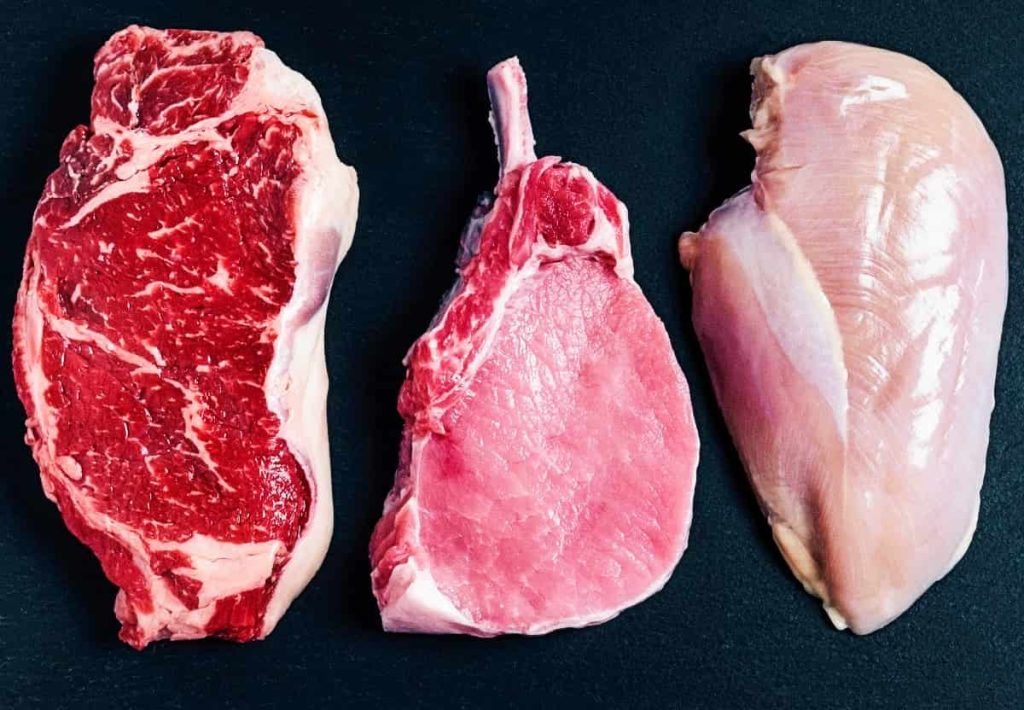
The Science of Density: Finding the Healthiest Red Meat to Eat
The most significant shift in nutritional understanding involves the concept of nutrient density. Rather than viewing meat simply as a protein source, experts now analyze it through the lens of micronutrient bioavailability. Red meat contains heme iron, zinc, and B-vitamins in forms that the human body absorbs far more readily than those found in plant-based alternatives.
Prioritizing specific selections allows you to benefit from high heme iron and zinc intake without the common drawbacks associated with conventional, high-fat beef. Understanding this balance is crucial. By moving beyond traditional beef and exploring diverse protein sources, you simplify the process of determining exactly which is the healthiest red meat to eat for your specific metabolic needs.
Achieving the Ideal Protein-to-Fat Ratio
To navigate the nutritional profile of different meats, the most successful approach involves choosing cuts with a favorable protein-to-fat ratio. While traditional ribeyes are prized for flavor, the “hidden gems” of the butcher shop are the leaner, often overlooked cuts. For instance, pork tenderloin—a red meat by biological classification—frequently matches the caloric and fat profile of a skinless chicken breast while offering a superior range of minerals.
Finding the “Gold Standard” in Lean Selections
When evaluating which is the healthiest red meat to safely grace the dinner table on a regular basis, the hierarchy is determined by the impact on the gut and heart. Not all muscle tissue reacts the same way during digestion.
When evaluating which red meats can safely grace the dinner table on a regular basis, the hierarchy is determined by the impact on the gut and heart. Not all muscle tissue reacts the same way during digestion.
The Power of Game Meats: Venison and Bison
Venison and bison represent a biological advantage. Because these animals are typically more active and follow a natural forage diet, their meat is structurally different. It tends to be significantly lower in cholesterol and higher in anti-inflammatory omega-3 fatty acids compared to grain-finished commercial beef.
The “Loin” Rule for Beef and Pork
In the world of bovine and porcine options, the word “loin” is a reliable indicator of health. Sirloin tip, eye of round, and pork loin provide the essential amino acids required for muscle maintenance without the heavy load of saturated fat that can trigger systemic inflammation.
The Exotic Alternative: Ostrich Meat
An emerging favorite among high-performance athletes is ostrich meat. Despite being a bird, its meat is deep red and mimics the flavor of premium beef, yet it contains a fraction of the fat found in even the leanest cow.
The Nuance of the Heme Iron Debate
There is rarely a 100% consensus among nutritionists regarding the daily safety of red meat, and these uncertainties are where the most important lessons are found. The primary concern among researchers involves heme iron. While it is a miracle mineral for those struggling with anemia, some evidence suggests that in excess, it can act as a pro-oxidant in the digestive tract.
Identifying the best source involves understanding how to balance this iron intake. For individuals without iron-deficiency issues, opting for superior sources—which are typically leaner and contain lower concentrations of iron-binding proteins—can help mitigate potential oxidative risks while still providing essential zinc and vitamin B12. Ultimately, the goal is not to eliminate red meat but to curate your intake. By adhering to clinical guidelines and prioritizing the healthiest red meat to eat—such as game meats or grass-fed options—you can successfully mitigate oxidative markers while maintaining a nutrient-dense diet.
Strategies to Neutralize Oxidative Stress
This is why the context of the meal is just as important as the meat itself. Consuming red meat alongside high-fiber vegetables or antioxidant-rich spices can help neutralize potential oxidative stress. For those interested in established clinical guidelines, the official meat nutrition advice from the NHS provides an essential framework for understanding safe consumption limits and preventing long-term health complications. By adhering to these guidelines while choosing the healthiest red meat available, you can enjoy your meal without compromising your metabolic health.
Temperature and Chemistry: The Hidden Risks
The health profile of a piece of meat can be completely altered by the way it is prepared. High-heat cooking, such as charring on a grill, creates chemical byproducts known as heterocyclic amines. These compounds are the primary drivers behind the statistical links between meat consumption and certain cellular health risks.
- Refined Cooking Methods: A more refined approach involves “moist-heat” methods or lower-temperature roasting.
- The Power of Acid: Marinating meat in acidic bases like citrus or vinegar before cooking has been shown to create a protective barrier, significantly reducing the formation of harmful chemical elements.
A Balanced Conclusion: Choosing the Healthiest Red Meat to Eat
The path to health isn’t paved with total restriction, but with informed choices. Red meat remains a vital tool for maintaining energy levels, brain health, and muscle mass, provided the focus remains on unprocessed, lean, and varied sources. By treating red meat as a dense nutritional supplement rather than a bottomless indulgence, it is possible to reap the rewards of its unique chemistry.
For those managing specific hormonal conditions and looking to understand how different proteins interact with the body, researching whether can someone with fibroids take collagen can offer deeper insights into a comprehensive wellness strategy. Ultimately, the best diet is one that respects the complexity of human biology. By consistently choosing the healthiest red meat—prioritizing lean cuts and proper preparation—it is possible to reap the rewards of its unique chemistry while maintaining a proactive, health-focused lifestyle.
Culinary Techniques: Preparing the Healthiest Red Meat to Eat
The nutritional profile of your meal is not only determined by the cut you choose but also by the technique used to prepare it. High-heat methods that cause charring or carbonization can create compounds that negate the health benefits of even the highest-quality protein. To maximize the value of the healthiest red meat to eat, focus on methods that preserve the molecular integrity of the muscle fibers.
Low-Temperature Mastery
Techniques like sous-vide or slow-roasting allow you to reach a safe internal temperature without aggressive browning. By keeping cooking temperatures below 160°C (320°F), you reduce the formation of advanced glycation end-products (AGEs). Furthermore, incorporating antioxidant-rich marinades—using rosemary, thyme, or garlic—serves as a protective shield for the meat. When you combine these slow-cooking methods with the healthiest red meat to eat, you create a meal that supports cardiovascular health rather than challenging it.
Beyond the Sear
While the traditional sear is a culinary staple, it is often the least beneficial for metabolic health. If you are aiming for the healthiest red meat to eat on a regular basis, favor moist-heat cooking methods such as braising or steaming, which utilize liquids and herbs to infuse the protein with flavor without the need for excessive added fats or high-temperature oxidative stress.
Frequently Asked Questions (FAQ)
- Q: Is it safe to eat red meat every single day? A: While many health organizations suggest limiting intake, eating it daily can be safe if portions are controlled and you focus on the healthiest red meat options, such as extra-lean bison or pork tenderloin.
- Q: Why is pork considered a red meat? A: Biologically, pork contains more myoglobin than chicken or fish. While it is a versatile option, we categorize it as one of the healthiest red meat to eat when prepared as a lean tenderloin or loin chop, stripped of excess fat.
- Q: Does grass-fed beef actually make a difference? A: Yes. Studies indicate higher concentrations of omega-3 fatty acids and precursors for vitamins A and E.
- Q: Can red meat cause inflammation? A: Processed meats are inflammatory due to nitrates. Fresh, lean, and properly prepared red meat generally does not show the same response.
- Q: What is the healthiest way to cook a steak? A: Preferred methods include sous-vide, pan-searing at medium heat, or roasting to prevent charring.
Research & Metabolic Specialist: Dedicated to uncovering the cellular impact of dietary patterns, Emma leads our Scientific Review Process. With a background in Nutritional Biology, she ensures every insight is grounded in evidence while addressing the inherent complexities and debates within the scientific community.
