Finding the healthiest red meat cuts is essential for anyone looking to enjoy high-quality protein without compromising heart health. For years, red meat was labeled a “health villain,” but recent nutritional science suggests it can be a powerhouse of B vitamins, iron, and zinc—if you know how to choose the right options. The secret to enjoying red meat lies in managing saturated fat intake.
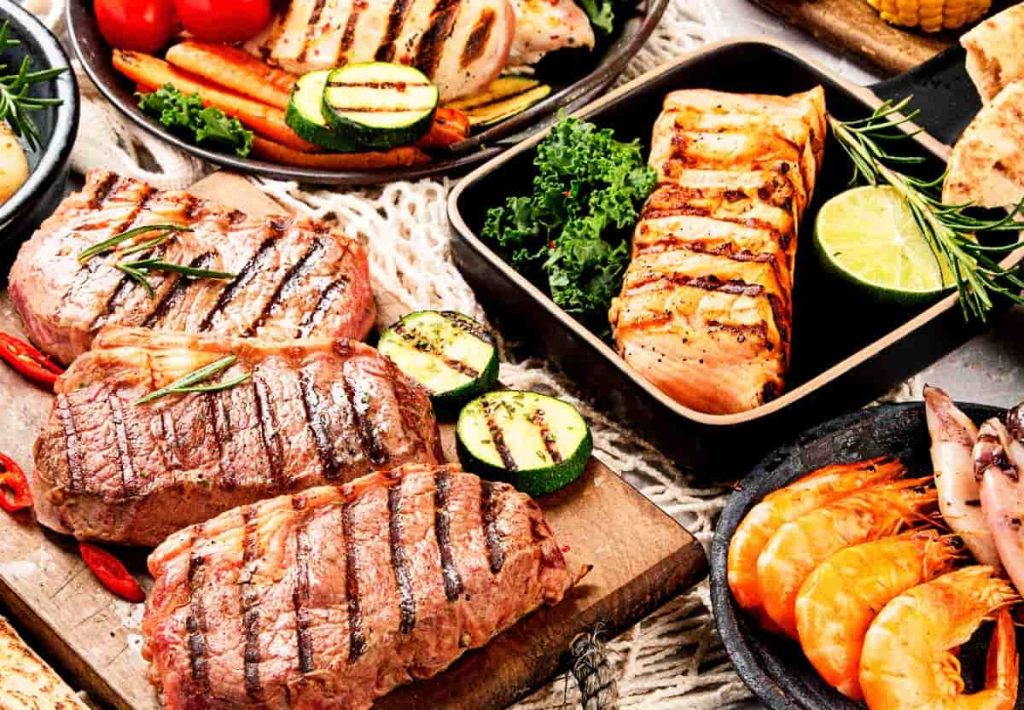
1. The Gold Standard: Bison Among the Healthiest Red Meat Cuts
Bison takes the top spot for those looking for the “red meat experience” with a leaner profile. It tastes similar to beef but is naturally lower in calories and fat. While 3 ounces of standard ground beef can have 13g of fat, bison typically contains only 7g. Most bison is grass-fed and free of hormones, making it a “cleaner” protein source.
Because bison are raised primarily on native grasses without intensive grain-finishing or hormonal growth stimulants, their lipid profile remains exceptionally low in total saturated fats. This metabolic distinction directly reinforces the value of choosing the healthiest red meat cuts, ensuring that fitness enthusiasts can achieve high protein synthesis rates without the heavy lipid load typical of commercial feedlot cattle.
2. The Leanest Bovine: Eye of Round & Top Round
If you prefer traditional beef, look for the word “Round.” The Eye of Round is widely considered the leanest cut available. A 3-ounce portion contains only about 1.4g of saturated fat.
Other Excellent Choices
Other “loin” cuts, like Top Sirloin, are also excellent choices, providing 25g of protein for just 160 calories. If you are exploring how to maximize your intake, check out our guide on the [9 best high-protein meals, according to athletes, nutritionists, and chefs] to see how these cuts fit into a balanced performance diet.
Anatomically situated in the heavily exercised rear limb of the animal, the round primal undergoes minimal fat deposition compared to rib or loin regions, creating an intrinsically lean tissue matrix. Prioritizing these low-fat options aligns with fundamental healthiest red meat cuts criteria, allowing individuals with cardiovascular concerns to integrate bioavailable iron and complete amino acid profiles into their weekly nutritional planning safely.
3. Grass-Fed Ground Beef (95/5)
Not all ground beef is created equal. Opting for 93% or 95% lean ground beef significantly reduces calorie intake. When scanning the market for the healthiest red meat cuts, choosing grass-fed options is a superior move because it contains higher levels of Omega-3 fatty acids and CLA (Conjugated Linoleic Acid), which has anti-inflammatory properties that support joint health. If you want to complement your nutritional routine, check out our guide on [5 Surprising benefits of resistant starch for metabolic health] to further enhance your daily diet.
Why Grass-Fed Wins
Grass-fed beef is superior because it contains higher levels of Omega-3 fatty acids and CLA (Conjugated Linoleic Acid), which has anti-inflammatory properties that support joint health. The forage-based diet of pasture-raised ruminants drastically shifts the fatty acid ratio, significantly augmenting the concentration of protective polyunsaturated fats relative to grain-fed counterparts. Selecting this variety under the umbrella of the healthiest red meat cuts provides an internal metabolic advantage, as these naturally occurring micronutrients help mitigate the systemic oxidative stress commonly associated with conventional meat consumption.
4. Leg of Lamb
Lamb is often overlooked in the average diet but can be surprisingly lean when selected correctly. The Leg of Lamb is a nutrient-dense choice, packed with essential minerals like zinc and B12. While it generally has slightly more saturated fat than the leanest beef, it remains a “clean” source of iron for those who need a boost in energy levels. Incorporating this into your meal rotation is a great way to diversify your nutrient intake while still adhering to the standards of the healthiest red meat cuts.
Pasture-raised ovine protein sources deliver an unusually high density of immune-supporting trace elements, particularly cobalt and selenium, which optimize thyroid function and cellular repair mechanisms. Incorporating this specific option while evaluating the healthiest red meat cuts introduces culinary diversity to anti-inflammatory diet protocols, proving that red meat can actively contribute to metabolic optimization rather than hinder it.
5. The Deceptive Choice: Pork Tenderloin
Though marketed as “the other white meat,” pork is biologically red meat. The Pork Tenderloin is a nutritional twin to skinless chicken breast. While it doesn’t always come to mind immediately, it deserves its place among the healthiest red meat cuts because it is exceptionally lean and high in thiamine, a B vitamin that many other red meats lack.
What to Avoid
Avoid “ribs” or “belly,” which can contain up to 22g of saturated fat per serving. Despite long-standing culinary misclassifications, pork tenderloin exhibits a lipid-to-protein ratio that rivals poultry while offering distinct neurological benefits due to its high concentration of vitamin B1. Recognizing this cut as one of the healthiest red meat cuts empowers consumers to bypass restrictive dietary dogmas and utilize affordable, highly digestible protein sources for muscle maintenance and cognitive vitality.
6. The “Rare Treat”: Ribeye and Prime Grade Beef
At the bottom of the healthy ranking are highly marbled cuts like Ribeye. While delicious, a single Ribeye can hit 20% of your daily saturated fat limit in one sitting. Additionally, beef graded as “Prime” is the fattiest; for a healthier heart, always choose “Select” or “Choice” grades.
Pro-Tips for Heart-Healthy Meat
Consistency in preparation is just as vital as the initial purchase. Even when you have brought home the healthiest red meat cuts available, improper cooking methods—like deep frying or smothering the meat in heavy butter-based sauces—can undo all the nutritional benefits. Always opt for grilling, baking, or pan-searing with heart-healthy oils to maintain the integrity of the protein.
- The “Card” Rule: A healthy portion is 3 ounces—about the size of a deck of cards.
- The “Select” Secret: “Prime” grade meat means more fat. “Select” grade is the leanest.
- Trim and Drain: Always trim visible white fat before cooking, and if using ground meat, drain the fat in a colander and rinse with hot water to cut calories by up to 50%.
Managing Your Fats
Choosing the right meat is only half the battle. Your overall fat intake depends on everything you consume, including dairy. For example, if you’re choosing a leaner steak to protect your heart, you might wonder if you should apply the same logic to your morning coffee. Check out our expert guide on Whole or skim milk? Nutritionist recommends the best milk for diabetics to understand how to balance your total saturated fat intake across your entire diet.
Highly marbled cuts undergo significant structural fat rendering during intense thermal exposure, transforming intramuscular lipids into dense caloric concentrations that easily overwhelm daily macronutrient targets. Treating these options as occasional culinary experiences rather than dietary staples is vital when navigating the healthiest red meat cuts, preserving cardiovascular equilibrium without demanding complete asceticism from food lovers.
Advanced Nutritional Strategies
Maximizing Nutrient Retention During Cooking
Even when you successfully select the absolute healthiest red meat cuts from your local market, improper culinary techniques can degrade essential amino acids and oxidize delicate fatty acids. Maintaining low-temperature environments and utilizing gentle thermal transfer methods ensures that the structural integrity of the protein remains intact.
The Role of Acidic Marinades
Incorporating organic acids such as lemon juice or apple cider vinegar into your prep routine acts as a protective shield for muscle fibers. This simple step not only tenderizes tougher textures naturally but also significantly reduces the formation of heat-induced compounds, aligning your kitchen habits with the core principles of choosing the healthiest red meat cuts.
Sustainable Sourcing and Ecological Impact
Grass-Finishing vs. Grain-Finishing Realities
Understanding how livestock are raised is just as crucial as looking at the final macronutrient breakdown on the package. True pastoral management promotes soil regeneration and carbon sequestration, transforming how we view the ecological footprint of the healthiest red meat cuts available in modern commerce.
Evaluating Certifications Wisely
Navigating grocery store labels requires a sharp eye for verified claims rather than clever marketing buzzwords. Looking for trusted certifications ensures that your investment in the healthiest red meat cuts genuinely supports ethical animal husbandry and superior nutritional profiles without hidden additives.
Conclusion: Quality Over Quantity
As nutritionist Merve Ceylan explains, meat can be an excellent source of protein and minerals, but it must be balanced. By prioritizing lean cuts and grass-fed options, you get all the muscle-building benefits without the cardiovascular risks. For a complete list of the 7 healthiest meats and their nutritional values, read the full report: 7 Healthiest Meats, Ranked by a Dietitian.
FAQ: Red Meat & Your Health
Is beef really worse for your heart than chicken?
Not necessarily. It depends entirely on the cut. As noted in the USDA guidelines, “extra-lean” beef cuts like Eye of Round have less saturated fat than a chicken thigh with the skin on. If you focus on identifying the healthiest red meat cuts—specifically those labeled “Round” or “Loin”—you can enjoy red meat while keeping your heart health a priority.
What is the difference between “Prime,” “Choice,” and “Select” beef?
These are flavor and fat grades, not safety grades. Prime is the fattiest (highest marbling), usually found in steakhouses. Choice has moderate fat. Select is the leanest and often the healthiest choice for those watching their cholesterol.
Does grass-fed beef really make a difference?
Yes. Research shows that grass-fed beef is not only leaner overall but contains significantly more Omega-3 fatty acids and CLA (Conjugated Linoleic Acid).
Is pork considered red meat or white meat?
Nutritionally and scientifically, pork is red meat. While the “Pork Tenderloin” is as lean as skinless chicken, other parts like the shoulder or belly are very high in saturated fats.
Why should I limit processed meats like bacon or deli ham?
Processed meats are linked to higher risks of heart disease and certain cancers due to high sodium levels and the presence of nitrates/nitrites.
Are there budget-friendly options among the healthiest red meat cuts?
Yes. While grass-fed bison or prime cuts can be expensive, opting for “Select” grade Eye of Round or Pork Tenderloin provides a high-protein, low-fat profile at a much lower price point. You do not need to spend a fortune to consistently choose the healthiest red meat cuts for your family; focusing on the leanest bovine cuts like “Round” or “Loin” is the most cost-effective way to protect your heart health.
How does the method of cooking change the “healthiness” of red meat?
While selecting the healthiest red meat cuts is the primary step, high-temperature cooking methods like char-grilling or frying can create heterocyclic amines (HCAs) and polycyclic aromatic hydrocarbons (PAHs). To mitigate these compounds, experts recommend marinating meat in acidic bases like vinegar or lemon juice and utilizing lower-temperature methods like poaching, stewing, or slow-roasting to preserve the protein’s integrity without forming potentially harmful carcinogens.
Is it possible to get “too much” iron from red meat?
Red meat is an excellent source of heme iron, which the body absorbs more efficiently than non-heme iron from plants. However, in individuals with conditions like hemochromatosis, excessive heme iron intake can lead to systemic oxidative damage. For the general population, balancing consumption of the healthiest red meat cuts with varied plant-based iron sources is the best way to maintain optimal ferritin levels without exceeding safe physiological thresholds.
Can red meat consumption be part of a longevity-focused diet?
Recent research in chrononutrition suggests that red meat is not inherently detrimental when integrated into a diet rich in high-fiber vegetables, polyphenols, and omega-3s. The key lies in “protein pacing” and metabolic flexibility. By prioritizing the healthiest red meat cuts and pairing them with high-fiber sides, individuals can stimulate mTOR (a muscle-building pathway) effectively while avoiding the sustained insulin spikes associated with ultra-processed food alternatives.
Disclaimer: The content provided on The NutriDeep is for informational and educational purposes only and is not intended as medical advice, diagnosis, or treatment. Always seek the advice of your physician or other qualified health provider with any questions you may have regarding a medical condition or dietary changes. Never disregard professional medical advice or delay in seeking it because of something you have read on this website. Reliance on any information provided here is solely at your own risk.
