Following essential air fryer safety tips is crucial to prevent mechanical failure and ensure your food is cooked perfectly. The air fryer has become the “magic wand” of the modern kitchen. Its promise of speed and health is hard to resist, leading many to believe it can handle anything. However, treating your air fryer like a regular oven or a deep fryer is a recipe for disaster.
According to kitchen experts, certain common habits—things that seem perfectly normal—can actually “annihilate” your food and, worse, permanently destroy the appliance. Here are 6 things you should never put in your air fryer and the mistakes that are quietly ruining it.
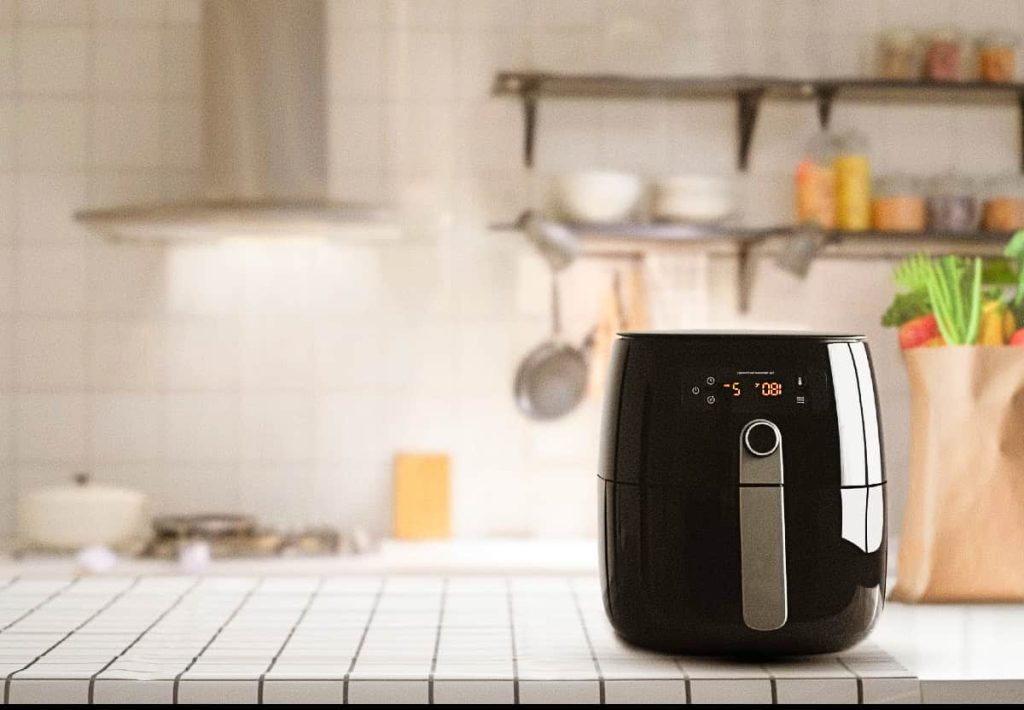
1. Loose Grains and Popcorn: The Fire Hazard
It might seem like a great way to make oil-free popcorn, but putting loose kernels in the basket is a major safety risk. As the kernels pop, the high-speed air can blow them directly into the heating element. This can lead to a fire or, at the very least, cause the popcorn to burn instantly, clogging the ventilation system and damaging the internal sensors.
Unrestrained lightweight kernels act as dangerous projectiles within high-velocity convection currents, directly challenging baseline air fryer safety tips by transforming a simple snack into a severe combustion risk. Beyond immediate fire hazards, the forced intake of these dry particles into the fan housing can cause mechanical friction, prematurely wearing down the motor bearings and disrupting the delicate airflow patterns required for even heat distribution. Maintaining the pristine condition of the ventilation ducts is imperative, as once a grain is lodged deep within the heating assembly, it creates a recurring source of acrid smoke that taints every subsequent meal, effectively forcing a premature retirement of the appliance due to permanent internal contamination.
2. Wet Batters and Liquid Sauces: A Messy Disaster
Unlike a deep fryer where hot oil “sets” a wet batter instantly, an air fryer uses air.
Beyond the immediate mess, liquids can seep into the hidden internal components, potentially causing short circuits that are difficult to repair. When researching air fryer safety tips, you will find that consistency is key; always ensure your food is coated in dry seasonings or oils rather than heavy, runny marinades to maintain the integrity of the machine’s airflow.
Why Liquid Matters
Wet, drippy batters (like tempura or beer-battered fish) will simply drip through the basket holes before they can crisp up. This creates a “messy disaster” on the bottom of the drawer, potentially leaking into the electrical components or burning onto the heating coil, leading to toxic smoke and mechanical failure.
When preparing lighter options or managing daily nutritional choices around your cooking habits, it is equally important to balance your dietary intake—something you can explore further in our guide on [Best Milk for Diabetics: 5 Science-Backed Choices for Stable Glucose].
Fluid dynamics dictate that unviscous liquids migrate past the mesh boundaries long before thermal coagulation can occur, violating foundational air fryer safety tips by depositing carbonized residue directly onto live electrical circuits. The accumulation of these semi-liquid residues creates a biological and chemical hazard, as the repeated cycles of baking and re-heating these trapped deposits release volatile organic compounds (VOCs) into your kitchen environment. Furthermore, the viscosity of these drippings often acts as a sealant, clogging the drainage channels and forcing the appliance’s thermal sensors to misinterpret internal temperatures, which can trigger an automatic shutdown or, in severe cases, cause the heating element to run continuously until it reaches critical failure.
3. Light Papers and Leafy Greens
Putting a loose paper towel or a few leaves of spinach in the basket seems harmless. However, because air fryers rely on powerful convection fans, these lightweight items can fly up and get stuck in the fan blades or the heating element. Not only does this stop the air circulation, but it is a primary cause of kitchen fires. One of the most important air fryer safety tips is to ensure that any parchment paper used is always weighed down by heavy food so it doesn’t fly into the heating element.
The Hidden Danger
Not only does this stop the air circulation (overheating the motor), but it is a primary cause of kitchen fires. Always ensure any parchment paper used is weighed down by heavy food.
Aerodynamic lift forces inside compact heating chambers easily overwhelm unsecured cellulosic sheets, reinforcing critical air fryer safety tips regarding the prevention of direct thermal contact with exposed heating coils. When these lightweight materials contact the element, they do not merely burn; they instantly carbonize, releasing ash that is then circulated by the high-speed fan, contaminating the internal cavity and potentially damaging the sensitive infrared or ceramic sensors used to monitor cooking cycles. This loss of circulation doesn’t just present a fire risk—it drastically reduces the efficiency of the machine, forcing it to draw more electricity to compensate for the blocked airflow, which accelerates the aging process of the internal electrical wiring and the electronic control board.
4. Plastics, Styrofoam, and Common Glass
This is a fatal mistake for both your health and the machine. Never use plastic containers or Styrofoam (polystyrene); they melt at high temperatures, releasing toxic chemicals into your food and fusing with the non-stick coating of the basket. Additionally, common glass can suffer from thermal shock and shatter inside the unit. Only use oven-safe, tempered glass or silicone molds.
The danger here is twofold: chemical leaching and physical damage. Because air fryers use intense, concentrated heat, non-heat-resistant materials can release toxic fumes that permeate your food. Always adhere to these air fryer safety tips by checking the labels on your kitchenware; if it is not explicitly marked “oven-safe” or “air-fryer-safe,” it does not belong in the basket.
Polymer breakdown temperatures are routinely breached inside rapid convection environments, making strict adherence to recommended air fryer safety tips vital for blocking systemic chemical migration into consumable fats. Once a synthetic material begins to reach its glass transition temperature within the air fryer, it releases airborne micro-particles that permeate the porous non-stick surface of the basket, permanently altering its chemical stability and rendering it unsafe for future use. This cross-contamination means that even after the residue is scrubbed away, the structural integrity of the coating is compromised, increasing the risk of flaking and the subsequent ingestion of PFAS or other synthetic lubricants that are meant to stay locked within the appliance’s manufacturing components rather than your diet.
5. “Naked” Broccoli and Lean Proteins
While this won’t “explode” the machine, it destroys its purpose. The intense, dry heat of an air fryer will singe the delicate ends of broccoli and turn lean meats like boneless pork chops or chicken breasts into rubbery, inedible bricks. Without a “buffer” (like oil, breading, or foil), the air fryer removes moisture too quickly, forcing the machine to work harder while ruining your dinner.
To avoid the “rubbery brick” effect, you need to use a protective layer. A light mist of heart-healthy oil or a breadcrumb coating acts as a thermal barrier, preserving moisture. Learning how to properly prepare lean meats is one of the most practical air fryer safety tips for beginners, as it prevents the machine from overworking its heating element while simultaneously improving the texture and flavor of your meal.
To master texture and avoid ruining delicate vegetables, you can also check out our expert recommendations in [7 Science-Backed secrets: How to cook crispy zucchini perfectly].
Rapid moisture evaporation from unprotected muscle fibers causes localized protein denaturation and structural collapse, illustrating why comprehensive air fryer safety tips must address food hydration matrices to preserve culinary quality. When food dehydrates too quickly due to a lack of a lipid-based thermal barrier, the resulting steam-deficient environment forces the heating element to cycle more frequently to reach the target temperature. This increased duty cycle unnecessarily accelerates the fatigue of the internal thermal cutoff switches and the heating coils themselves. By properly shielding proteins and vegetables, you align your cooking technique with the mechanical design of the air fryer, ensuring that the machine functions at optimal thermal efficiency without experiencing the premature wear associated with “dry” cooking sessions.
6. Cold Water on a Hot Basket: Thermal Shock
The most common way people destroy their air fryer is during cleanup. Taking a searing-hot basket and immediately dunking it in cold soapy water causes thermal shock. Following proper cooling procedures is one of those air fryer safety tips that protects the metal drawer from warping and prevents the expensive non-stick coating from cracking and flaking off into your next meal.
Pro-Tip: The Secret to Longevity
To keep your appliance running like new, focus on the “hidden” residue. Most people only wash the basket, but grease often splatters onto the top heating element. Implementing regular deep-cleaning as part of your routine air fryer safety tips—such as using a soft brush to dislodge crumbs once the unit is cool and unplugged—is essential for fire prevention.
If you are looking for quick snacks to prepare correctly in your air fryer, like toasted nuts or quick-roast seeds, they pair perfectly with a spiced drink. Learn more in our guide on Mixing Coffee with Cinnamon Powder: Why It’s Recommended and What It’s Used For to elevate your afternoon break.
Rapid temperature differentials induce catastrophic crystal lattice stress across bonded fluoropolymer surfaces, making proper cooling protocols an indispensable element of long-term air fryer safety tips. Beyond the visible damage to the non-stick surface, thermal shock causes micro-fissures in the metal drawer, which—while invisible to the naked eye—significantly weaken the drawer’s structural ability to withstand high heat over time. This leads to subtle warping that breaks the seal between the basket and the main housing, resulting in heat leakage that forces the appliance’s internal fan to run louder and longer. Consistently allowing your unit to return to room temperature is the single most effective way to prevent the loss of the air-tight efficiency required for professional-grade air frying results.
Conclusion: Read the Manual for More Air Fryer Safety Tips
As Chef Laurie Klein suggests, air fryers are “magical,” but they have limits. Always check your manufacturer’s manual for specific material restrictions. For a full list of “forbidden” foods, check out the clinical review on 6 Things You Shouldn’t Cook in an Air Fryer.
Systematic adherence to engineering thresholds ensures appliance longevity and user protection, validating why comprehensive air fryer safety tips remain a cornerstone of modern domestic culinary practice. By respecting the specific operational limits set forth by manufacturers—such as maximum weight capacity and thermal material tolerance—users can avoid the common pitfalls that transform an efficient kitchen tool into a costly mechanical liability. Education regarding your specific device’s unique airflow requirements is not just about avoiding fire; it is about guaranteeing the consistent, high-performance output that makes the air fryer an indispensable component of a healthy, efficient, and science-informed kitchen.
FAQ: Air Fryer Safety
If you are looking to master your kitchen routine, these common questions cover the most critical air fryer safety tips to ensure your device lasts for years to come.
Can I use aluminum foil in the air fryer?
Yes, but with caution. Never cover the entire bottom of the basket, as it blocks air circulation and can overheat the motor. Always weigh it down with food so it doesn’t fly into the heating element, keeping essential air fryer safety tips in mind.
Why is my air fryer smoking?
This is usually caused by “hidden residue.” Grease from previous meals has likely splattered onto the heating coil and is burning. Deep clean the interior (once cool and unplugged) to fix this, following standard air fryer safety tips.
Is it safe to put the basket in the dishwasher?
Check your manual. While many are “dishwasher safe,” the harsh detergents and high heat can degrade the non-stick coating faster than hand-washing with a soft sponge, which aligns with proper air fryer safety tips.
Can I cook bacon in the air fryer?
Technically yes, but it is risky. The high fat content causes intense splattering. If that fat hits the heating element, it can cause a grease fire. Always place a slice of bread at the bottom of the drawer to soak up excess grease as part of your routine air fryer safety tips.
Can I use a metal fork or knife to flip food in the basket?
No, never use metal utensils in the basket. Scratching the non-stick coating exposes the base metal and increases the risk of toxic material ingestion. Always use silicone or wood tools to protect your cookware and adhere to basic air fryer safety tips.
Can I run my air fryer completely empty to preheat it?
No, running the appliance empty for an extended time can overheat the internal components and warp the basket. Always include food or follow precise manufacturer preheating guidelines as part of standard air fryer safety tips.
Medical Disclaimer: This content is for informational purposes only and does not constitute medical advice. Consult a manufacturer’s manual before use.
