Many people ask about the coffee and cinnamon benefits for health. Adding these two ingredients to your morning cup creates a powerful synergy that supports your metabolic goals. While coffee is famous for its caffeine-driven energy, combining it with cinnamon unlocks a range of metabolic and cognitive benefits that can transform your daily ritual into a functional health tonic. From stabilizing energy levels to providing a massive antioxidant boost, here is why science-backed wellness circles are recommending this spicy addition.
The Synergistic Powerhouse: Coffee + Cinnamon
Both coffee and cinnamon are rich in bioactive compounds. When researchers analyze coffee and cinnamon benefits, they note that coffee provides essential antioxidants, while cinnamon introduces cinnamaldehyde. This compound works alongside the coffee to create a “double shield” against oxidative stress. For a deeper look at how your diet affects your metabolic efficiency, see our guide on [3 Powerful Benefits of Mixing Coffee with Cinnamon (Boost Metabolism!)]. This combination is particularly effective for those looking to optimize how their body processes nutrients and maintains energy balance throughout the day, reinforcing why so many people are interested in the long-term coffee and cinnamon benefits.
Integrating Dietary Habits
For a deeper look at how your diet affects your metabolic efficiency, see our guide on The Protein Equation: Decoding Individual Macronutrient Requirements.
Understanding the precise molecular interaction between bioactive polyphenols and cellular receptors reinforces why combining coffee and cinnamon benefits provides a superior functional approach to daily metabolic optimization.
5 Reasons to Add Cinnamon to Your Coffee
1. Superior Blood Sugar Control
Cinnamon is one of the most effective spices for improving insulin sensitivity. By slowing the speed at which the stomach empties after a meal, it prevents the sharp blood sugar spikes that lead to energy crashes. Adding it to coffee helps maintain a steady “hum” of energy rather than a jittery peak followed by a slump. Regulating postprandial glycemic response through targeted spice integration protects cellular tissues from advanced glycation end-products, further amplifying the long-term coffee and cinnamon benefits associated with metabolic health.
2. A Massive Antioxidant Boost
One teaspoon of cinnamon packs as many antioxidants as half a cup of blueberries. These antioxidants (flavonoids) help neutralize free radicals, reducing systemic inflammation that contributes to joint pain and premature aging. Combating systemic oxidative stress via high-ORAC dietary additions safeguards cellular structures from premature degradation, highlighting how daily coffee and cinnamon benefits extend deeply into anti-aging protocols.
3. Heart Health Support
Research suggests that daily cinnamon consumption can lower “bad” LDL cholesterol and triglycerides by up to 30%, while supporting “good” HDL levels. Paired with coffee’s known cardiovascular benefits, this duo helps maintain clear, flexible arteries. Maintaining optimal lipid profiles and vascular compliance is essential for long-term longevity, cementing the value of coffee and cinnamon benefits within any comprehensive cardiovascular defense strategy.
4. Natural Appetite Suppression
If you find yourself reaching for sugary snacks mid-morning, cinnamon might be the solution. Its ability to stabilize insulin levels directly impacts hunger hormones, helping to curb cravings and support weight management goals. Curbing visceral cravings by stabilizing ghrelin and insulin fluctuations transforms this simple morning beverage into an effective behavioral tool, showcasing how coffee and cinnamon benefits aid sustainable weight management.
5. Enhanced Mental Clarity
When you understand the coffee and cinnamon benefits, it becomes clear why this duo is recommended for those looking to optimize their wellness routine. Below are five key reasons why this combination is a must-try. For deeper insights into mastering your morning routine, explore our guide on [Understanding the 80/20 rule in coffee for better flavor with less effort].Supporting neurovascular function and sustained focus without the typical afternoon crash demonstrates how comprehensive coffee and cinnamon benefits elevate cognitive performance alongside physical vitality.
The Ceylon vs. Cassia Distinction: A Safety Warning
Not all cinnamon is created equal. Most supermarket cinnamon is the Cassia variety, which is pungent and inexpensive. However, experts recommend Ceylon cinnamon (the “true” cinnamon) for daily use.
The Coumarin Factor
Cassia cinnamon contains high levels of coumarin, a natural compound that can be toxic to the liver if consumed in large quantities daily. Understanding the biochemical profile of commercial cinnamon varieties is critical for anyone looking to make daily supplementation a safe, long-term habit. Coumarin acts as a potent naturally occurring phytochemical, but when processed by hepatic enzymes in high, continuous doses, it can place an avoidable toxicological strain on the liver’s filtration pathways. By recognizing the distinct physiological differences between commercial Cassia and true botanical alternatives, you protect your internal organs from cumulative stress while maintaining a completely safe, health-positive routine.
The Safer Choice
Ceylon cinnamon has negligible levels of coumarin and a more delicate, citrusy flavor profile that complements premium coffee without overpowering it. Prioritizing hepatic safety by selecting authentic botanical varieties ensures that your routine remains entirely health-positive, maximizing coffee and cinnamon benefits without unwanted toxicological risks.
How to Prepare the Perfect Cinnamon Coffee
To avoid a “gritty” texture at the bottom of your mug and fully capture the coffee and cinnamon benefits, consider these methods:
The Brew Mix
Mix 1/2 teaspoon of ground cinnamon directly into your dry coffee grounds before brewing. This allows the oils to infuse into the water without the “silt” ending up in your cup, ensuring a smooth delivery of all coffee and cinnamon benefits. Integrating the spice directly into the dry bed of coffee grounds acts as a pre-infusion filter, allowing hot water to strip away the volatile aromatic oils without carrying the heavy, insoluble cellulose particles past your filter basket. This method optimizes the extraction of active bioactive compounds, transforming your standard brewing equipment into an efficient botanical extractor that yields a clean, silt-free cup packed with therapeutic properties.
The Stirrer
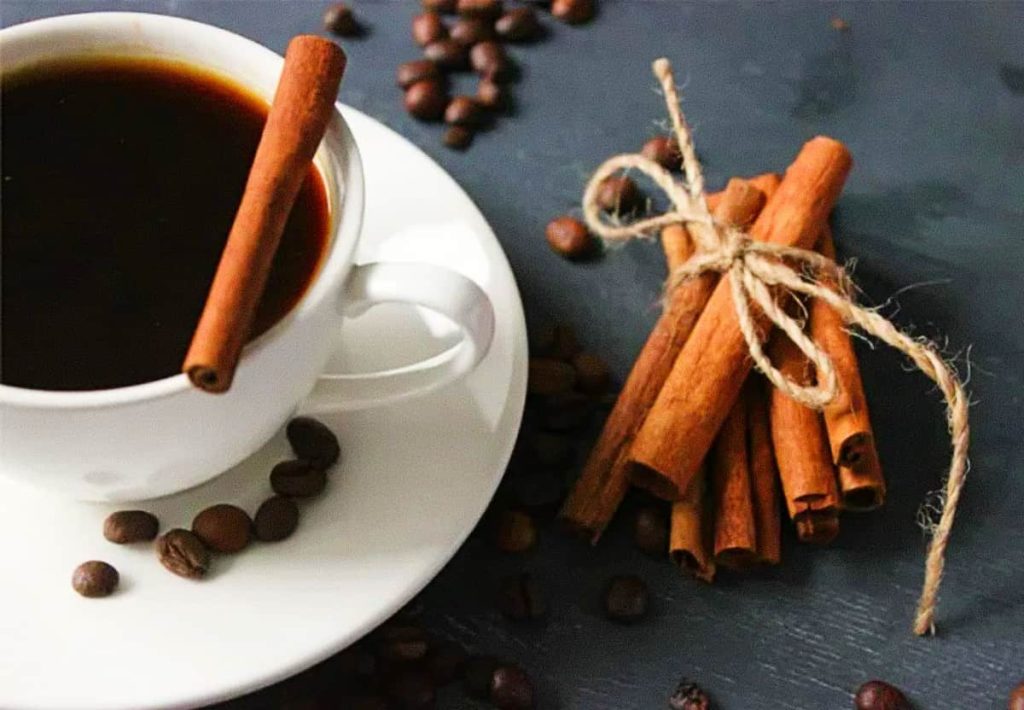
Use a Ceylon cinnamon stick as a stirrer in your hot coffee. It releases flavor gradually and looks great. Utilizing a whole aromatic bark stick rather than loose powder provides a slow, controlled release of essential oils as the ambient heat breaks down the outer layers over the course of your morning routine. Beyond the elegant presentation, this tactile approach prevents any unwanted sludge or powdery residue from forming at the bottom of your mug, giving you a smooth, balanced flavor profile that evolves gently from the first sip to the last.
The Spiced Mocha
For a treat, mix 1/4 teaspoon of cinnamon with a teaspoon of unsweetened cocoa powder and stir into your coffee for an antioxidant-rich Mexican Mocha. Pairing raw cocoa with genuine Ceylon cinnamon creates a powerful matrix of concentrated polyphenols that work synergistically to enhance both cardiovascular health and cognitive alertness. The rich, bitter flavonoids of the cocoa bean naturally complement the warming, blood-sugar-stabilizing properties of the spice, turning an occasional indulgence into a deeply nourishing functional tonic that satisfies dessert cravings without spiking your glycemic index.
Additional Resources
For more technical details on the benefits of this spice, explore the 10 Reasons You Need to Add Cinnamon To Your Coffee according to nutrition experts. Mastering proper extraction and infusion techniques prevents unpleasant textural residue while locking in maximum volatile oils, ensuring every sip delivers the full spectrum of coffee and cinnamon benefits.
Advanced Nutritional Strategies for Maximizing a Balanced Diet for Muscle Growth
Optimizing Nutrient Partitioning and Insulin Sensitivity
Achieving sustainable hypertrophy requires looking beyond basic caloric intake and examining how the body handles nutrients at a cellular level. Maintaining high insulin sensitivity ensures that glucose and amino acids are preferentially directed toward repairing damaged muscle tissue rather than being stored as adipose tissue.
The Role of Post-Workout Glycogen Replenishment
When executing a balanced diet for muscle growth, timing your carbohydrate ingestion around resistance training sessions helps maximize glycogen resynthesis. This metabolic window prevents prolonged catabolic states and accelerates recovery.
Integrating Micro-Cycles for Long-Term Hypertrophy
Alternating caloric intake slightly to match training volume prevents metabolic adaptation. This strategic variation is a cornerstone of an advanced balanced diet for muscle growth, keeping your metabolism responsive and driving continuous progress.
Hormonal Optimization Through a Balanced Diet for Muscle Growth
Balancing Anabolic and Catabolic Pathways
Endocrine health dictates your body’s ability to build and retain muscle mass. Chronic stress and inadequate caloric intake elevate cortisol, which can counteract even the most rigorous training routine.
Dietary Fats as Precursors for Anabolic Hormones
Fats are not merely an energy source; they serve as the foundational building blocks for vital hormones like testosterone. Ensuring adequate intake of healthy fats is essential for maintaining the hormonal environment required by a balanced diet for muscle growth.
Managing Inflammation for Enhanced Recovery
Controlling systemic inflammation through antioxidant-rich foods and optimal fatty acid ratios ensures that your joints and tendons keep pace with your muscle development, securing the longevity of your training career.
FAQ: Common Questions
Does cinnamon dissolve in coffee?
No, cinnamon is ground bark and does not dissolve in liquid. To avoid clumps, mix it with the coffee grounds before brewing or whisk it into a small amount of milk/creamer before adding the coffee. Addressing common preparation hurdles ensures a seamless daily habit formation, allowing practitioners to consistently reap the metabolic coffee and cinnamon benefits without frustration.
How much cinnamon should I use daily?
Most health benefits are achieved with 1/2 to 1 teaspoon per day. Avoid consuming more than 1 teaspoon of Cassia cinnamon daily to stay within safe coumarin limits. Establishing strict dosage thresholds protects against overconsumption while optimizing therapeutic outcomes, reinforcing the smart integration of coffee and cinnamon benefits.
Can I use cinnamon instead of sugar?
Yes! Cinnamon provides a “perceived sweetness” that can help you reduce or eliminate sugar and artificial sweeteners, significantly cutting your daily calorie intake. Replacing refined sweeteners with sensory substitutes reduces glycemic volatility, proving that everyday coffee and cinnamon benefits can actively assist in caloric reduction goals.
Will it break my fast?
If you drink black coffee while intermittent fasting, a pinch of cinnamon is generally considered “fast-friendly” as it has negligible calories and may even help with insulin levels during the fast. Preserving metabolic autophagy and stable fasting blood glucose levels highlights the remarkable versatility of coffee and cinnamon benefits for time-restricted eating protocols.
Is it worth incorporating this into my daily routine?
Yes. While individual results may vary, the combined profile of these ingredients offers a functional approach to wellness. Exploring coffee and cinnamon benefits is a simple, cost-effective way to enhance your morning ritual with science-backed habits. Adopting low-barrier, high-impact nutritional tweaks represents the pinnacle of sustainable biohacking, making the integration of coffee and cinnamon benefits an indispensable practice for lifelong vitality.
Can I use pre-ground cinnamon from the store?
Yes, but for optimal freshness and potency, grinding whole Ceylon cinnamon sticks just before use preserves the delicate volatile oils. Ensuring high quality prevents the loss of active constituents, allowing you to maximize every dose of these coffee and cinnamon benefits.
Can I add cinnamon to cold brew coffee?
Yes, though cold liquids do not extract the fat-soluble and volatile compounds as efficiently as heat. Whisking the spice into a small amount of warm water or milk first ensures smooth incorporation before mixing it into your cold brew.
Does milk reduce the nutritional value of the spice?
No, adding a splash of dairy or plant-based milk does not negate the antioxidant properties of cinnamon. In fact, healthy fats in milk can improve the bioavailability of certain phytonutrients, supporting the overall efficacy of your morning routine.
Can I mix the spice into a protein shake?
Yes, it blends exceptionally well with whey or plant-based proteins, adding depth to the flavor profile while potentially aiding in nutrient partitioning. Incorporating it into your post-workout drink helps stabilize blood sugar after your training session, maximizing the recovery potential of your intake.
Does the temperature of the water affect the extraction?
Yes, using near-boiling water is essential for extracting the most concentrated volatile oils and polyphenols from the particles. A higher temperature ensures a more robust infusion of bioactive compounds compared to lukewarm or room-temperature water, ensuring you get the most out of your morning ritual.
Disclaimer: This content is for informational purposes only and does not constitute medical advice. Consult a healthcare professional before making significant dietary changes, especially if you have pre-existing health conditions.
