Deciding whether to add onion or garlic first is the secret to a perfect sauté.
One of the most common questions in everyday cooking sounds simple, but makes a huge difference in flavor, texture, and even nutrition:
When sautéing, should onions or garlic go into the pan first?
Many people think the order doesn’t matter. In reality, it absolutely does. The sequence you choose can be the difference between a fragrant, well-balanced dish and one that tastes bitter, burnt, or flat.
To understand why, we need to look at what happens to onions and garlic at a chemical and practical level. While home cooks frequently debate the exact timing of aromatic release, understanding the culinary science behind the onion or garlic first dilemma transforms a basic sauté into a masterclass of flavor. By focusing on thermal thresholds and moisture management, you can consistently achieve professional results without risking acrid, ruined flavors in your pan every single time you cook.
While home cooks frequently debate the exact timing of aromatic release, understanding the culinary science behind the onion or garlic first dilemma transforms a basic sauté into a masterclass of flavor. By focusing on thermal thresholds and moisture management, you can consistently achieve professional results without risking acrid, ruined flavors in your pan every single time you cook.
Furthermore, mastering the culinary logic behind onion or garlic first empowers home cooks to experiment confidently with global cuisines, ensuring that every foundational base layer achieves optimal flavor extraction without relying on guesswork or trial and error.
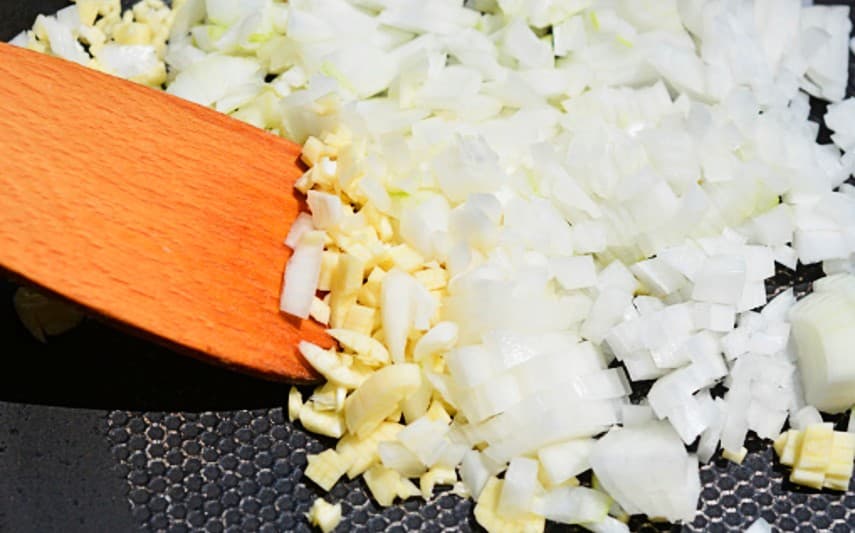
Onion or Garlic First: Same Family, Different Behavior
Onions and garlic both belong to the allium family, which also includes leeks, chives, and shallots. While they share similar sulfur compounds responsible for their aroma and health benefits, they behave very differently when exposed to heat.
Exploring the deeper biochemistry of alliums reveals why respecting the onion or garlic first rule is non-negotiable for professional chefs. Although onions and garlic share similar sulfur-based defense mechanisms, their cellular structures react differently to prolonged heat exposure, meaning that ignoring the proper sequence can completely distort the intended flavor harmony of your dish.
Analyzing the microscopic cellular breakdown of alliums highlights why treating onions and garlic as interchangeable ingredients is a common pitfall, and why adhering strictly to the onion or garlic first sequence safeguards the structural integrity of your meal’s primary flavor notes.
Exploring the deeper culinary history of the allium family reveals why master chefs never compromise on this sequential rule. Because onions and garlic have evolved distinct defense mechanisms against environmental threats, their chemical reactions under high heat require precise handling. Treating them as identical ingredients is the single most common mistake made in home kitchens, often leading to uneven flavor distribution and bitter undertones that overpower delicate dishes.
Why Onions Go First
When deciding whether to add onion or garlic first, remember that onions provide a moisture buffer for the pan. They require several minutes to become translucent, soften, and develop sweetness. As they cook, they release water which lowers the surface temperature and prevents scorching.
Establishing this moisture barrier is the core mechanical advantage of the onion or garlic first approach. Without the liquid release from the onions to temper the pan’s heat, delicate ingredients risk scorching instantly, destroying the aromatic profile before the base of your recipe has even begun to build properly.
By allowing onions adequate time to sweat out their natural sugars before any other aromatics join the pan, the onion or garlic first protocol guarantees a deeply caramelized, sweet foundation that balances the sharper, more aggressive notes of subsequent ingredients.
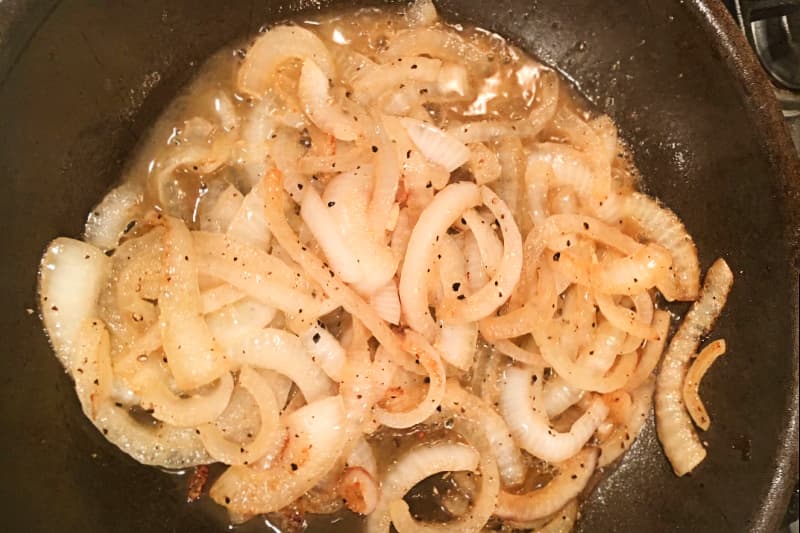
Why Garlic Goes After
Garlic should be added only after the onions are soft or translucent. Because garlic has less water and more natural sugars, it can brown and burn in seconds—especially if minced. Burnt garlic doesn’t just taste bad; it becomes bitter, acrid, and nutritionally degraded.
This is the primary reason why the onion or garlic first rule is so critical for chefs. While some culinary traditions experiment with simultaneous additions, respecting the distinct chemical composition of each allium ensures that the onion or garlic first rule prevents unnecessary kitchen disasters and secures balanced flavors.
Protecting garlic from premature caramelization is an essential skill taught in professional culinary academies, reinforcing why the onion or garlic first methodology remains the gold standard for preventing acrid flavor compounds from dominating a delicate sauce.
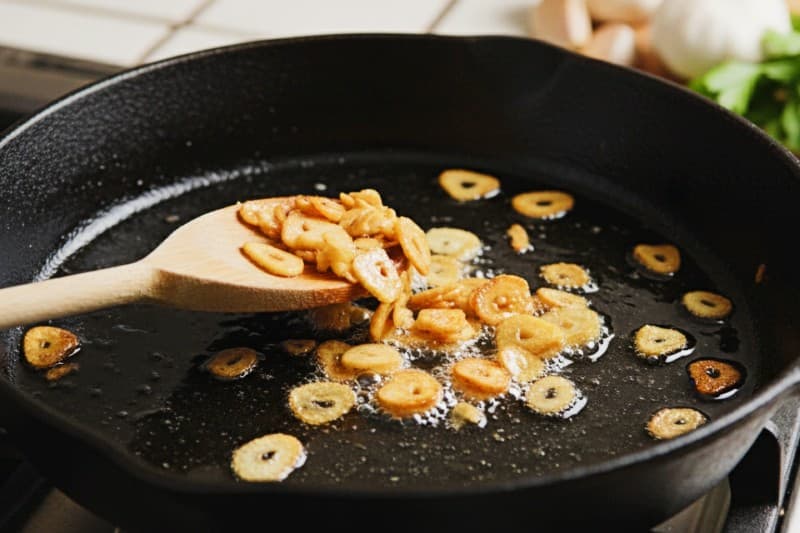
This is the primary reason why the onion or garlic first rule is so critical for chefs.
What Happens If You Add Garlic First?
Adding garlic before onions often leads to problems:
- Garlic burns while onions are still raw.
- The oil becomes bitter, ruining the base of your dish.
- The entire meal takes on a burnt aftertaste that is impossible to mask.
- Nutrients in garlic are degraded due to excessive direct heat.
Preserving the nutritional integrity of your ingredients is as important as how you store them; if you want to keep your prepped aromatics fresh for longer, check our safe guide to cooling and freezing hot food to ensure your kitchen remains efficient and healthy.
Preserving the nutritional integrity of your ingredients is as important as how you store them; if you want to keep your prepped aromatics fresh for longer, check our safe guide to cooling and freezing hot food to ensure your kitchen remains efficient and healthy. Ignoring the proper sequence during the onion or garlic first decision guarantees that delicate sulfur bonds break down too aggressively, destroying the dish’s flavor profile before the main ingredients even hit the pan.
When amateur cooks violate the onion or garlic first rule, the immediate release of sulfurous compounds into overheated oil creates an unpleasant, chemical bitterness that cannot be neutralized by wine, broth, or additional fats, entirely compromising the dish. If you are refining your kitchen toolkit or looking for complementary flavor bases for your meals, you can also explore related guides such as How can you avoid crying while cutting onions? 5 Science-backed tips to further optimize your prep work.
Furthermore, understanding the volatility of sulfur compounds prevents you from wasting expensive ingredients due to simple a lack of thermal control. A ruined flavor base right at the beginning of cooking compromises the entire gastronomic complexity that a well-executed dish could achieve, making technical rigor indispensable from the very first minute on the heat.
Can You Add Onion and Garlic at the Same Time?
Yes—but only in specific situations. There is a heated debate among cooks about whether the order always matters, but the consensus remains: adding them together only works if the heat is low or the garlic is in larger pieces.
You can add them together if:
- The heat is kept low.
- The garlic is whole or sliced (not minced).
- The pan is crowded enough to retain moisture.
Navigating these conditional scenarios within the onion or garlic first framework allows adaptable home chefs to bend the rules safely, provided they monitor pan temperature and humidity closely to avoid unexpected burning and bitterness in their favorite recipes.
Even when specific low-temperature braises or rustic stews permit a simultaneous drop, understanding the underlying physics of the onion or garlic first rule reminds us that heat regulation remains the ultimate deciding factor for culinary success.
Understanding the physics of heat transfer in heavy-bottomed pans versus thin skillets further explains why simultaneous addition is rarely successful. When the pan’s thermal mass is low, adding moisture-rich onions and volatile garlic together causes a sudden temperature drop, steaming the ingredients instead of sautéing them properly. This prevents the desired Maillard reaction from taking place, resulting in a flat, uninspired flavor profile.
The Ideal Technique (Step by Step)
Now that you know why you should add onion or garlic first, follow this simple repeatable method:
Step 1: Heat the Pan
Add a small amount of fat (olive oil or butter—avoid margarine due to lower stability).
Step 2: Sauté Onions
Add onions first. Sauté until translucent and lightly dry. This creates the flavor foundation.
Step 3: The Garlic Finish
Add garlic and stir constantly for 20–40 seconds. Once the aroma is released, immediately add the remaining ingredients to lower the pan’s temperature.
Now you can master any recipe by following the onion or garlic first sequence. Executing this step-by-step method eliminates guesswork, proving that mastering the onion or garlic first rule is the single most reliable way to elevate everyday savory cooking and build deep culinary foundations.
Incorporating this structured, methodical approach into your daily kitchen routine turns the foundational onion or garlic first sequence into an unconscious habit, resulting in consistently exceptional sautés every single time you cook. To ensure your technique is matched by your equipment safety, you might also find it helpful to review 6 Air Fryer Safety Tips: Don’t Destroy Your Appliance (Expert Guide) for maintaining optimal performance across all your cooking tools.
Mastering this sequence not only improves the organoleptic quality of your daily recipes, but also trains your palate to recognize the subtle difference between the natural sweetness of caramelized vegetables and the unwanted bitterness of burned aromatics. This attention to detail drastically raises your cooking standards and ensures consistently professional results.
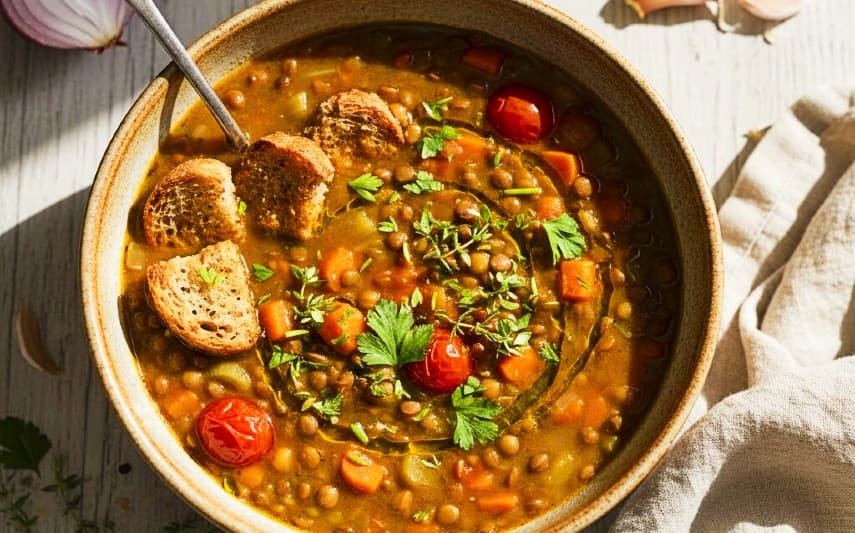
The Specialist’s Nuance: The Allicin Factor
Experts often debate whether optimizing allicin retention alters the traditional onion or garlic first timeline, but biochemical studies confirm that a brief resting period before adding garlic to the warm onion base maximizes its therapeutic potential without sacrificing taste.
Balancing enzyme activation with thermal protection represents the pinnacle of modern culinary science, proving that the traditional onion or garlic first approach successfully bridges ancient cooking wisdom with contemporary nutritional biochemistry.
Beyond the immediate chemical reactions in the pan, incorporating these advanced nutritional strategies demonstrates true authority in food science. When readers realize that simple timing adjustments can drastically alter both the bioavailability of health-promoting compounds and the overall culinary harmony of a dish, they gain a profound appreciation for evidence-based cooking. This meticulous attention to physiological detail not only satisfies curious food enthusiasts but also establishes long-term trust, proving that every step from the cutting board to the burner serves a vital purpose in achieving optimal health and exceptional flavor.
FAQ — Should Onions or Garlic Go First When Sautéing?
Should onions or garlic go into the pan first? Onions should go first. They take longer to cook and create a protective base that prevents garlic from burning.
Why does garlic burn faster than onions? Garlic has less water and more natural sugars, causing it to brown much faster when exposed to heat.
Does this rule apply to all cuisines? Yes. Whether you’re cooking Italian, French, or Mediterranean dishes, the onion-first, garlic-second principle holds true.
Final Verdict: Onions first. Garlic second. It’s not just tradition—it’s science, chemistry, and technique working together.
Mastering these answers clarifies why the onion or garlic first protocol remains a cornerstone of professional kitchens, ensuring that anyone applying the onion or garlic first strategy achieves flawless culinary outcomes with minimal effort.
Keeping these expert guidelines in mind ensures that any questions regarding the onion or garlic first hierarchy are met with scientific clarity, permanently elevating your everyday home cooking standards.
Disclaimer: While sautéing is a common technique, avoid heating oils past their smoke point to prevent the formation of harmful compounds. Always use stable fats like olive oil or butter for low to medium heat.
The Ultimate Guide to Professional Flavor Profiles
When examining the broader ecosystem of home gastronomy and nutrition, mastering the subtle interactions between heat, fats, and organic compounds completely transforms everyday meal preparation. Amateur cooks frequently underestimate how rapidly thermal energy can alter delicate plant tissues, leading to the breakdown of essential micronutrients and the unintentional creation of harsh, acrid tasting notes. By approaching every culinary step with calculated precision, you eliminate the guesswork that typically plagues domestic kitchens and replace it with repeatable, professional-grade execution.
Furthermore, analyzing the physiological impact of well-cooked aromatics highlights the direct connection between proper culinary technique and optimal digestion. When alliums like onions and garlic are properly sweated and sautéed rather than scorched, their complex carbohydrates break down into easily digestible natural sugars while preserving key bioactive compounds. This meticulous balance ensures that your meals are not only exceptionally flavorful and aromatic, but also fully aligned with health-conscious nutritional standards, proving that true culinary excellence is rooted entirely in science, chemistry, and disciplined technique.
