Identifying the best fish for health is essential for anyone looking to optimize their longevity. If you could add only one ‘superfood’ to your weekly routine to protect your heart, sharpen your brain, and fight chronic inflammation, nutritionists from Johns Hopkins, Harvard, and Stanford agree: you’ll find it at the seafood counter. But while the ‘eat more fish’ advice is universal, not all catches are equal. To maximize longevity while avoiding modern contaminants like mercury and microplastics, you need a strategic approach to the ocean’s bounty.
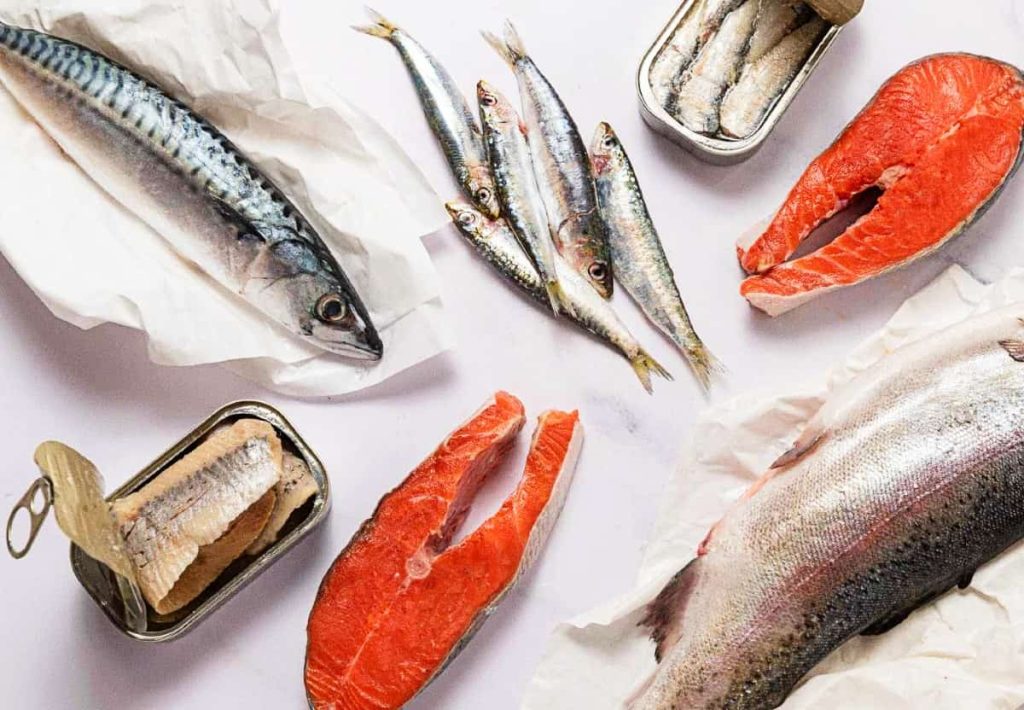
The Undisputed Winner: Wild-Caught Salmon
Across all clinical sources, Salmon reigns supreme as the healthiest fish for the general population. It isn’t just about the protein; it’s about a unique ‘Triple Threat’ of nutrients that few other foods can match. When experts evaluate the best fish for health, they consistently point to salmon as the primary recommendation. According to experts at Johns Hopkins, this superfood is an especially rich source of essential fatty acids.
Incorporating high-grade marine proteins into your regular meal rotation provides vital building blocks that support structural repair, muscular maintenance, and systemic vitality. Prioritizing the best fish for health ensures your body receives optimal ratios of essential fatty acids to combat chronic systemic inflammation, protect cardiovascular integrity, and promote long-term cellular wellness. Furthermore, because modern diets frequently skew heavily toward pro-inflammatory omega-6 fats, rebalancing your lipid intake with the exceptional EPA and DHA profiles found in cold-water species actively supports neuroprotection and improves overall metabolic resilience against age-related decline.
Key Nutritional Benefits
According to experts at Johns Hopkins, this superfood is an especially rich source of essential fatty acids:
- DHA & EPA: These long-chain omega-3 fatty acids are the “gold standard” for heart health, proven to lower triglycerides and reduce arterial plaque.
- Astaxanthin: This powerful antioxidant gives salmon its reddish pigment and works in tandem with omega-3s to neutralize free radicals.
- Vitamin D & Selenium: Salmon is one of the few natural food sources of Vitamin D, essential for bone density and immune function.
The synergistic combination of fat-soluble vitamins, trace minerals, and potent marine antioxidants creates a formidable biological shield against oxidative stress and accelerated tissue degradation. Selecting the best fish for health delivers these unique protective compounds directly to your cellular membranes in a highly bioavailable format that synthetic supplements simply cannot replicate, thereby supporting robust immune defense and optimal skeletal mineralization over your lifespan.
Wild-Caught vs. Farmed
While farmed salmon is still nutrient-dense, experts at Stanford Medicine note that wild-caught salmon is generally leaner, free from antibiotics, and has a superior mineral profile. Natural foraging environments allow marine species to accumulate a cleaner, more diverse, and better-balanced nutrient matrix compared to controlled aquaculture feeds, which are often reliant on grain or soy derivatives. Choosing wild options when searching for the best fish for health safeguards your daily diet from unnecessary chemical additives, synthetic colorants, and veterinary antibiotics while maximizing both micronutrient density and overall nutritional purity.
The “SMASH” Protocol: Why Smaller is Safer
When researching the best fish for health, it is vital to balance nutrient density with safety profiles. If you want to maximize nutrients while minimizing your intake of heavy metals, experts recommend the SMASH acronym. These are fatty, cold-water fish that sit lower on the food chain, making them both sustainable and safer for frequent consumption:
- Salmon
- Mackerel
- Anchovies
- Sardines
- Herring
Selecting species situated lower down the marine trophic ladder significantly curtails your bioaccumulation exposure to heavy metals like methylmercury, polychlorinated biphenyls, and other industrial toxins that accumulate in large predatory fish. Relying on this structured, ecologically responsible protocol allows you to enjoy the best fish for health safely, frequently, and sustainably week after week without compromising your long-term neurological or metabolic well-being.
Hidden Benefits: More Than Just Heart Health
Fish is a versatile tool for various health goals beyond cardiovascular protection. When you prioritize the best fish for health, you are not just getting protein—you are getting a cocktail of micronutrients essential for bodily repair. To ensure your overall nutritional framework remains balanced, you can also explore our guidance on [How Much Protein Per Day? 5 Proven Science-Backed Steps for Optimal Health].The diverse array of trace minerals, specialized peptides, and unique marine lipids found in wild seafood actively supports metabolic efficiency, endocrine balance, and systemic tissue regeneration across multiple organ systems. Making the best fish for health a foundational dietary staple unlocks multifaceted wellness advantages that extend far beyond simple heart protection, positively influencing insulin sensitivity, cognitive acuity, and joint mobility.
Nutrient-Specific Advantages
- For Bone Strength: Canned Sardines and Salmon are in a league of their own. Because they contain soft, edible bones, they are incredibly rich in calcium.
- For Energy & Metabolism: Mackerel is a rare source of Coenzyme Q10 (CoQ10), vital for cellular energy production.
- For Weight Management: If you’re looking for lean protein, Cod and Mahi Mahi provide high satiety with very few calories.
Targeting specific seafood varieties based on their unique mineral and macronutrient profiles allows you to tailor your weekly nutrition to address individual physiological needs, from energy slumps to skeletal support. Integrating these specialized choices as part of the best fish for health strategy ensures precise, targeted nutritional support for your specific lifestyle goals and physical performance markers.
Internal Connection: Meeting Your Daily Protein Goals
Choosing the right fish is the first step; knowing how much you need is the second. In our previous guide, “Dear Doctor: What’s the best way to determine how much protein I should be eating?“, we explored how a 3-4 ounce serving (roughly the size of your palm) provides about 25g of high-quality protein. Consistently integrating these choices into your weekly meal plan is the most effective way to ensure you are consuming the best fish for health without the saturated fat found in red meat. Furthermore, pairing these lean marine sources with proper daytime hydration habits, as outlined in [Best time to drink water: 5 Metabolic hydration hacks], helps maximize overall cellular metabolism and nutrient transport.
Aligning your protein distribution strategy with clean marine sources optimizes whole-body amino acid availability while keeping saturated fat and overall inflammatory biomarkers exceptionally low. Balancing your daily intake targets with the best fish for health creates a sustainable, heart-smart blueprint for lifelong physical strength, lean muscle preservation, and metabolic longevity.
Advanced Marine Nutrition Strategies
Optimizing Omega-3 Bioavailability
Understanding how your body absorbs and utilizes marine lipids is just as important as choosing the right catches. To maximize the absorption of essential fatty acids when consuming the best fish for health, pairing them with healthy dietary fats or consuming them alongside your main meal can significantly enhance cellular uptake.
Because omega-3 fatty acids are fat-soluble compounds, their transport across the intestinal wall relies heavily on the presence of dietary lipids and bile salts released during comprehensive digestion. Consuming your marine selections within the context of a balanced, whole-food meal triggers the necessary enzymatic activity to optimize chylomicron formation, ensuring that a significantly higher percentage of bioavailable EPA and DHA successfully reaches your systemic circulation rather than passing through unutilized.
The Cellular Mechanics of Marine Lipids
Omega-3 fatty acids integrate directly into cellular phospholipid bilayers, altering membrane fluidity and receptor function throughout the body. By embedding themselves into the structural walls of every cell, EPA and DHA optimize the fluidity of the membrane, which directly enhances cellular communication, enzyme activity, and nutrient transport. This microscopic alteration is why prioritizing the best fish for health translates into tangible improvements across cardiovascular, neural, and musculoskeletal systems on a foundational, cellular level.
Long-Term Systemic Benefits
Maintaining a consistent weekly rotation of these nutrient-dense options ensures your tissues remain saturated with the protective compounds required for optimal physiological function. Sustained dietary consistency prevents the cellular depletion of essential anti-inflammatory fatty acids, shielding your body against the cumulative wear and tear of modern lifestyle stressors. Committing to a reliable intake schedule of the best fish for health builds lasting physiological resilience, supporting lifelong cognitive clarity, metabolic stability, and cardiovascular longevity.
Culinary Preparation and Nutrient Retention
Heat Control for Delicate Proteins
Cooking methods play a vital role in preserving the fragile micronutrient profiles found in high-grade seafood. Exposing the best fish for health to excessive temperatures or prolonged cooking times can degrade delicate omega-3 bonds and diminish overall nutritional value.
Polyunsaturated fats possess molecular structures with multiple double bonds that are highly susceptible to thermal degradation, meaning that aggressive grilling or deep-frying can rupture these beneficial chains and compromise their therapeutic efficacy. Implementing strict temperature thresholds allows you to harness the best fish for health without inadvertently introducing oxidized lipids or destroying the vital heat-sensitive vitamins required for peak biological performance.
Gentle Cooking Techniques
Utilizing methods like gentle poaching, steaming, or light baking helps lock in moisture while safeguarding vital vitamins. High-heat searing or frying can subject fragile marine fats to thermal oxidation, inadvertently creating byproducts that counteract the anti-inflammatory properties you seek. By opting for low-temperature, moist-heat preparation methods when cooking the best fish for health, you protect the structural integrity of vital omega-3 fatty acids and ensure that heat-sensitive micronutrients like Vitamin D remain intact within the tissue matrix.
Maximizing Culinary Value
Balancing preparation style with quality ingredients guarantees that every serving delivers maximum flavor and uncompromising health benefits. Elevating your seafood dishes through thoughtful flavor pairing—such as finishing with fresh herbs, citrus, or cold-pressed olive oil—complements the natural nutrient profile without introducing processed additives or excessive sodium. Treating the best fish for health with culinary precision bridges the gap between clinical nutritional compliance and an enjoyable, sustainable culinary lifestyle that you look forward to every week.
FAQ: Expert Clarifications
Many readers ask about the practical application of these guidelines. Below are the most frequent expert clarifications regarding the best fish for health and how to integrate them into your lifestyle safely.
Can I eat fish every day?
While safe for most, the FDA recommends 2–3 servings per week. If eating daily, stick to the SMASH list to avoid mercury accumulation. Moderation, environmental awareness, and careful species selection are essential when increasing the frequency of seafood consumption to prevent unintended toxin buildup while supporting global fishery sustainability. Incorporating the best fish for health safely into a daily dietary routine requires respecting biological thresholds, monitoring heavy metal exposure, and honoring ecological balance.
Is canned fish as healthy as fresh?
Yes. Canned options often use wild-caught fish and, in the case of sardines, offer significantly more calcium due to the edible bone content. Modern industrial canning techniques preserve delicate omega-3 fatty acids, protein structures, and mineral profiles remarkably well while offering unbeatable kitchen convenience, affordability, and long shelf stability. Utilizing preserved options expands your year-round access to the best fish for health regardless of seasonal market availability or geographic distance from the coast.
What about mercury during pregnancy?
Pregnant women should avoid high-mercury fish like Swordfish, Shark, and King Mackerel. Stick to “Best Choices” like Salmon and Tilapia. Vulnerable populations must exercise meticulous caution to protect developing fetal neurological systems and maternal health from heavy metal contamination during critical physiological windows. Prioritizing safe, low-mercury selections aligned with the best fish for health guarantees optimal maternal and infant nourishment without exposing them to developmental neurotoxins.
Are fish oil capsules enough?
Supplements provide Omega-3s but lack the “complete package” of protein, selenium, and Vitamin D found in whole fish. Concentrated liquid extracts and softgels cannot fully replicate the complex food matrices, enzymatic cofactors, and synergistic nutrient interactions delivered naturally by whole marine tissues. Relying primarily on whole-food sources of the best fish for health ensures comprehensive biochemical utilization, superior absorption rates, and overall nutritional completeness by your body.
Are frozen fish fillets as nutritious as fresh ones caught at the dock?
Yes. Modern flash-freezing techniques lock in nutrients immediately after catch, meaning frozen options are often just as nutrient-dense—and sometimes fresher—than “fresh” fish that has spent days in transit. Choosing high-quality frozen selections provides a reliable way to incorporate the best fish for health into your weekly rotation without worrying about rapid spoilage. Industrial flash-freezing halts the natural degradation process at the molecular level, preserving delicate omega-3 fatty acids and protein structures far better than slow refrigeration during shipping. Utilizing properly stored frozen catches ensures you can consistently access the best fish for health with maximum nutritional integrity and zero compromise on safety.
Medical Disclaimer: This content is for educational purposes only and does not constitute medical advice, diagnosis, or treatment. Always consult with your physician or a qualified healthcare provider before making changes to your diet or health routine. Never disregard professional medical advice due to something you have read here.
