Identifying inflammatory foods is essential because inflammation is often called the “silent killer.” While acute inflammation is a vital survival mechanism, chronic inflammation—often fueled by specific inflammatory foods—is a slow-motion disaster. It represents an immune system that refuses to turn off, eventually attacking your own healthy tissues and paving the way for obesity, cardiovascular disease, and autoimmune conditions.
According to experts at Vibrant Health, understanding the difference between these two types of inflammation is the first step toward a better lifestyle. Based on the latest clinical research, here are the 5 main food villains sabotaging your gut and fueling systemic inflammation.
1. Ultra-Processed Foods & Chemical Additives
These are the “ultimate digestive disruptors.” Processed foods are stripped of natural fiber and loaded with preservatives, artificial colors, and emulsifiers like carrageenan.
The Cumulative Effect of Inflammatory Foods
When you consume these products regularly, the additives erode the mucus layer of your gut. This layer acts as a protective shield for your immune system, and when compromised, your body becomes more susceptible to the systemic damage caused by inflammatory foods.
Furthermore, this constant degradation of the intestinal mucosal barrier allows foreign antigens and bacterial byproducts to slip directly into the bloodstream, triggering a cascade of low-grade immune reactions that make avoiding inflammatory foods absolutely critical for long-term systemic health.
The Nuance
It’s not just “junk” food. Seemingly healthy ready-meals or granola bars with mile-long ingredient lists can reduce bacterial diversity and promote inflammation just as aggressively.
Understanding the microscopic disruption caused by synthetic additives highlights why avoiding these items is crucial for long-term digestive vitality. By eliminating chemical-laden packaged goods, you protect the delicate intestinal barrier from chronic degradation while actively avoiding the hidden inflammatory foods that silently compromise your metabolic health.
2. Refined Sugars & Artificial Sweeteners
Sugar is the primary fuel for harmful bacteria and yeast. When you consume excess sugar, it tips the scales, allowing “bad” bacteria to dominate your microbiome within days.
The Cytokine Spike
High-fructose corn syrup triggers the release of pro-inflammatory proteins called cytokines. Unlike whole foods, these inflammatory foods force your immune system into a state of hyper-alertness. As this immune overactivation persists day after day, your body maintains an elevated baseline of systemic stress that drains cellular energy and paves the way for chronic metabolic dysfunction, underscoring why eliminating these reactive inflammatory foods is essential for true physiological recovery.
The Sweetener Trap
Don’t be fooled by “zero calorie” labels. Artificial sweeteners like aspartame and saccharin disrupt beneficial bacteria and can increase glucose intolerance, harming your metabolic health indirectly (for a deeper dive into how different sweeteners impact your body, check out our guide on [The sweetener illusion: Why coca-cola switched to high fructose corn syrup vs cane sugar]). Examining the metabolic fallout of refined sweeteners reveals how quickly dietary choices can alter microbial populations within the digestive tract. Minimizing your exposure to these reactive agents prevents constant immune system activation and shields your gut from the persistent cycle driven by these inflammatory foods.
3. Trans Fats & High-Heat Fried Foods
Fried foods represent a double-threat. First, the high-heat cooking process creates Advanced Glycation End products (AGEs), which directly irritate the gut lining. Second, most commercial fried foods use oils excessively high in Omega-6 fatty acids. Beyond the immediate irritation of the digestive tract, the accumulation of these heat-damaged compounds and oxidized lipids overwhelms cellular antioxidant defenses. This metabolic bottleneck accelerates tissue aging and systemic distress, proving that minimizing these heavily processed, inflammatory foods is vital for safeguarding cardiovascular and gastrointestinal integrity.
The Imbalance
While your body needs some Omega-6, the modern diet is often 20 times higher in Omega-6 than Omega-3. This creates a biological environment primed for inflammatory responses, making fried items some of the most consistent inflammatory foods in the modern kitchen. Recognizing the structural damage inflicted by oxidized cooking oils and trans fats underscores the importance of choosing stable culinary fats. Replacing deep-fried items with wholesome cooking alternatives protects the cellular lining of your intestines from the corrosive chemical stress characteristic of these pervasive inflammatory foods.
4. Processed & Excessive Red Meats: Known Inflammatory Foods
Processed meats (bacon, deli meats, sausages) contain nitrates and high sodium levels that alter gut bacteria composition.
The TMAO Link
When processed in the gut, certain compounds in red meat increase the growth of bacteria that produce TMAO (trimethylamine N-oxide), a marker heavily linked to arterial inflammation and heart disease. Because TMAO promotes the formation of plaque within the blood vessels, its elevated presence serves as a critical warning sign that your current dietary habits may be exacerbating internal vascular tension. By diversifying your protein sources and prioritizing lean, quality cuts, you effectively reduce the bacterial production of this marker, moving away from the patterns associated with these problematic inflammatory foods.
The Quality Fix
Quality and quantity are the variables here. Pasture-raised, organic meats in moderation are significantly less inflammatory than industrial, processed options. Differentiating between heavily preserved industrial meat products and clean, sustainably sourced protein options allows you to enjoy animal nutrition without courting vascular distress. Prioritizing meat quality helps you sidestep the adverse microbial shifts triggered by low-grade inflammatory foods.
5. High-Lectin “Active” Foods
Lectins are proteins plants use as a defense mechanism against being eaten. In humans, “active” lectins (found in raw or undercooked beans and certain nightshades like tomatoes and peppers) can bind to the gut wall.
The Leaky Gut Connection
In sensitive individuals, these proteins can sneak through the gut lining, entering the bloodstream and triggering an immune response that manifests as joint pain, fatigue, or skin issues. Once these proteins breach the intestinal barrier, your immune system identifies them as dangerous invaders, leading to a state of chronic, systemic reactivity. Recognizing this specific mechanism explains why your body might experience widespread discomfort, highlighting why eliminating or properly deactivating these inflammatory foods is a foundational step in closing the “leaks” and restoring overall systemic balance.
Turning Villains Into Superfoods
You don’t have to quit beans. Using a pressure cooker or soaking them for 5+ hours deactivates most lectins, turning a potential group of inflammatory foods back into high-fiber superfoods. (For a deeper look at optimizing your bean prep, check out our guide on [6 Essential facts about discarding bean soaking water]).
Mastering traditional food preparation techniques like proper soaking and pressure cooking transforms potentially irritating plant compounds into deeply nourishing nutritional powerhouses. This kitchen diligence ensures you can harness maximum dietary fiber while neutralizing the threat of these common inflammatory foods.
Strategy: The Anti-Inflammatory Reset
Your gut is resilient. To counter these villains, focus on the Three Fs:
- Fiber: The primary fuel for “good” bacteria.
- Ferments: Foods like kimchi and sauerkraut that increase microbiome diversity.
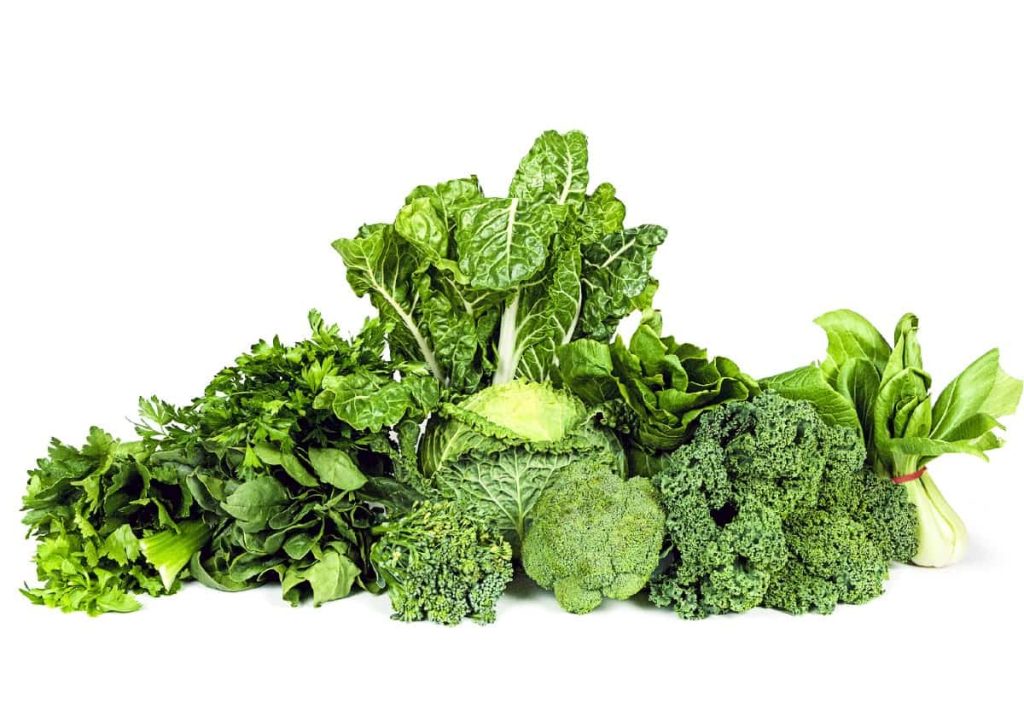
- Flavonoids: Compounds in berries and leafy greens that act as cellular “fire extinguishers.”
Pro-Tip: If you use performance aids, be mindful of your choices. Some low-quality supplements contain the very fillers and sweeteners listed above. For a cleaner approach to energy, check our guide on Can You Mix Creatine With Energy Drinks?.
Implementing a structured dietary reset gives your digestive tract the vital raw materials it needs to repair cellular damage and foster a thriving microbiome. Adopting these proactive nutritional strategies empowers you to actively clear out the lingering systemic damage caused by inflammatory foods.
The Impact of Processed Oils on Systemic Health
Navigating Omega-6 Imbalance and Cellular Stress
Modern diets heavily favor industrial seed oils that radically skew the natural ratio between essential fatty acids. Nutritional scientists frequently debate whether an elevated intake of Omega-6 relative to Omega-3 directly drives chronic inflammation or simply acts as a secondary marker of a poor overall diet. Recognizing this scientific nuance helps you evaluate your cooking fat choices and minimize the silent toll taken by daily inflammatory foods.
Protecting Intestinal Integrity from Oxidized Lipids
When cooking oils are repeatedly heated or heavily processed, they form harmful byproducts that directly irritate the delicate lining of your digestive tract. Eliminating these unstable fats prevents acute tissue irritation, ensuring your gut remains resilient against the constant pressure of common inflammatory foods.
Gut Microbiome Shifts Caused by Daily Additives
How Emulsifiers Compromise the Protective Mucus Barrier
Processed food manufacturers rely heavily on chemical emulsifiers to improve shelf life and texture, but emerging clinical research reveals a hidden biological cost. Gastrointestinal specialists often debate the exact threshold at which emulsifiers begin stripping away the protective mucus layer of the gut, highlighting an ongoing scientific discussion regarding how modern food additives interact with our native microbiome.
Restoring Microbial Diversity Through Whole-Food Choices
A compromised mucosal shield allows foreign antigens to easily slip past your body’s first line of defense, triggering low-grade immune activation. Rebuilding this vital intestinal barrier requires a deliberate shift away from packaged chemical formulations and a firm commitment to eliminating stealthy inflammatory foods from your daily routine.
Evaluating the Role of Refined Carbohydrates in Metabolic Stress
The Biochemical Pathway of Rapid Glucose Fluctuations
Nutritional scientists and metabolic specialists frequently debate the precise mechanisms by which highly refined carbohydrates provoke systemic stress. While some clinical researchers argue that acute blood sugar spikes are rapidly managed by a healthy pancreas, metabolic health experts caution that frequent glycemic volatility gradually erodes insulin sensitivity and sustains a low-grade immune response, cementing the role of these refined items as primary inflammatory foods.
Mitigating Glycemic Load for Long-Term Gut Protection
Sustained exposure to rapid-release sugars starves beneficial gut microbes while feeding opportunistic, inflammatory strains that compromise the intestinal lining. Transitioning toward complex, high-fiber carbohydrate sources prevents these damaging metabolic rollercoasters and safeguards your digestive tract from the persistent wear and tear caused by daily inflammatory foods.
The Hidden Connection Between Chronic Stress and Dietary Inflammation
How Cortisol Amplifies the Impact of Poor Dietary Choices
Physiologists and stress-research experts often discuss how lifestyle factors intertwine with nutrition to dictate overall health outcomes. Elevated cortisol levels resulting from chronic daily stress can significantly increase intestinal permeability, rendering your gut far more vulnerable to the chemical irritants and microscopic damage inflicted by common inflammatory foods.
Protecting Your Digestion Through Mindful Nutrition and Lifestyle
Recognizing that stress acts as an amplifier for gut irritation means that cleaning up your diet must go hand in hand with effective stress management. By pairing a nutrient-dense, whole-food approach with relaxation practices, you create a dual defense system that effectively neutralizes the systemic damage driven by modern inflammatory foods.
FAQ: Understanding the Villains
Is inflammation always bad?
No. Acute inflammation is necessary for healing. Chronic inflammation is the problem; it occurs when your body continues sending inflammatory cells when there is no outside danger.
Do I really need to avoid lectins?
For most, no. The danger applies only to active lectins. Proper preparation (soaking, rinsing, and high-heat boiling) renders them safe and health-promoting.
How does “Leaky Gut” happen?
Chronic inflammation damages the gut lining, making the “holes” in the intestinal filter larger. This allows gluten, bacteria, and undigested food to enter your system, causing widespread damage.
Can artificial sweeteners really damage my gut health?
Yes. Even though they contain zero calories, many synthetic sweeteners alter the delicate balance of your microbiome. By feeding harmful bacterial strains and suppressing beneficial ones, they can indirectly promote glucose intolerance and perpetuate the negative cycle associated with common inflammatory foods.
How long does it take for the gut lining to heal after removing trigger foods?
The intestinal epithelium has a remarkable capacity for cellular turnover, typically regenerating its entire lining every 3 to 5 days. However, fully repairing deeper mucosal damage and cooling chronic systemic reactivity caused by long-term consumption of inflammatory foods usually takes anywhere from a few weeks to several months of consistent dietary improvements.
Can stress cause inflammation even if I eat well?
Yes. Stress stimulates the production of pro-inflammatory cytokines. It affects the vagus nerve, which is the direct communication line between your brain and your immune-dense gut.
Resolving common physiological questions provides clarity and confidence as you navigate the complexities of gut health and dietary safety. Gaining deep insight into these foundational mechanisms ensures you can successfully outsmart the hidden traps set by everyday inflammatory foods.
Medical Disclaimer: This content is for educational purposes only and does not constitute medical, nutritional, or professional advice. Always consult with a qualified healthcare provider before making any changes to your diet, health, or supplement routine. Use of any information provided on this site is solely at your own risk.
