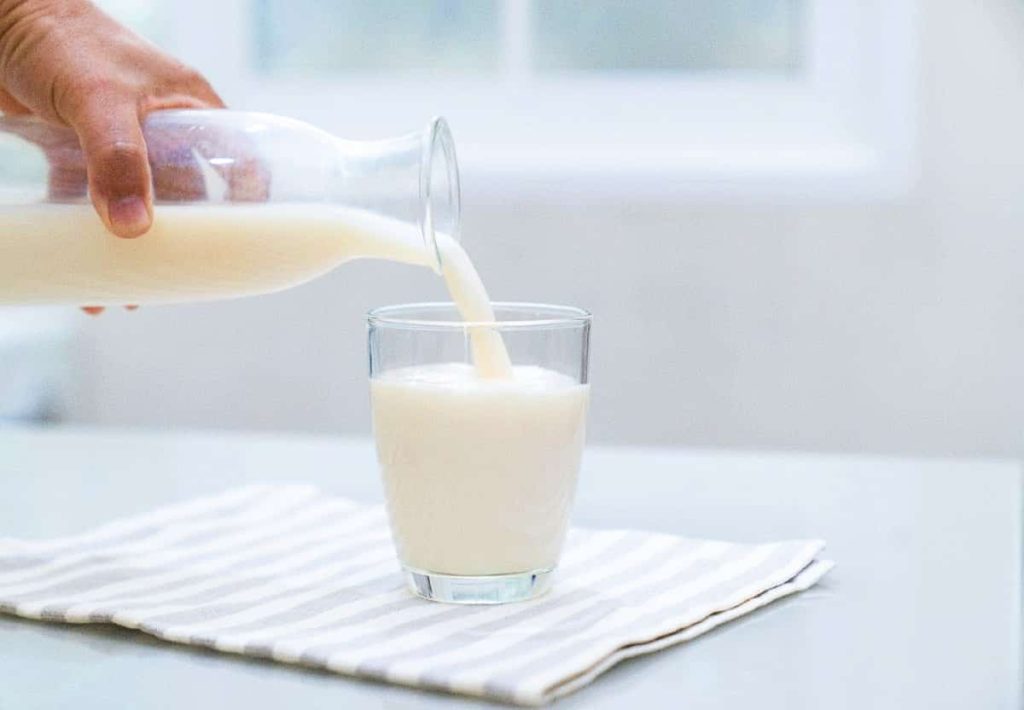
When it comes to bone health, we’ve been conditioned to reach for a gallon of milk. A standard 8-ounce glass of dairy milk provides about 300–306 mg of calcium, which is roughly 25% of your daily needs. But what if you’re lactose intolerant, vegan, or simply tired of dairy? The truth is, some of the most calcium-dense foods on the planet don’t come from a cow. From ancient seeds to fermented soy, here are ten powerhouses that deliver more calcium per serving than milk, while offering additional benefits for your heart and gut.
Shifting your mineral focus beyond traditional dairy allows you to curate a more diverse and nutrient-rich dietary template that supports long-term skeletal integrity. Embracing a wide variety of calcium-dense foods ensures that your daily intake is not reliant on a single food group, thereby lowering the risk of nutritional gaps and promoting comprehensive systemic resilience. Furthermore, incorporating these diverse sources introduces complementary vitamins and minerals that work synergistically to enhance overall bone mineralization and metabolic efficiency.
1. The Heavyweight Champion: Calcium-Set Tofu
If you want the most “bang for your buck,” tofu is the clear winner. When prepared with calcium sulfate (a common firming agent), a mere half-cup of tofu can pack a staggering 861 mg of calcium.
Integrating calcium-dense foods like tofu is one of the most efficient strategies for those who do not consume dairy products.
The Protein Bonus
It’s a complete protein, making it an essential building block for muscle repair. Incorporating soy-based staples into your weekly routine bridges the gap between plant-based eating and robust structural health without requiring heavy reliance on supplements. Utilizing these specific calcium-dense foods gives you the precise structural advantage needed to support lean muscle preservation while simultaneously fortifying your skeletal framework against age-related mineral depletion. (To ensure you are matching your amino acid requirements correctly, see our guide on [How Much Protein Per Day? 5 Proven Science-Backed Steps for Optimal Health]).
2. The Super-Seeds: Sesame and Chia
Don’t let their size fool you. Seeds are mineral goldmines. Beyond their impressive mineral profiles, integrating these miniature powerhouses into your daily nutrition provides an effortless way to boost overall caloric quality. When evaluating the best calcium-dense foods for long-term health, tiny seeds frequently outperform traditional options by delivering concentrated doses of trace minerals, antioxidants, and essential plant compounds in a remarkably small volume.
Sesame Seeds
Just a quarter-cup of these tiny seeds provides 351 mg of calcium—more than a glass of milk—plus a healthy dose of magnesium to help that calcium actually reach your bones. Furthermore, consuming sesame seeds regularly supports lipid metabolism and vascular health, making them an indispensable addition to any diet rich in calcium-dense foods aimed at preserving cardiovascular function and structural strength concurrently.
(Chia Seeds)
Adding two tablespoons to your morning smoothie gives you about 180 mg, but they are also elite sources of Omega-3 fats and fiber. Sprinkling seeds into your daily dishes is a seamless, highly versatile way to elevate your micronutrient density without disrupting your favorite recipes or meal structures. Making room for these powerful calcium-dense foods ensures that your circulatory system receives vital trace minerals, while the accompanying healthy fats and dietary fiber actively support cardiovascular health and smooth digestive function.
3. Leafy Greens: The “Collard” Standard
While spinach is famous, Collard Greens are the true calcium kings of the vegetable aisle. Understanding which greens qualify as calcium-dense foods can significantly improve your mineral absorption rates without relying on supplements.
Why Collards Lead the Pack
One and a half cups of cooked collards provide 402 mg of calcium. Unlike some other greens, collards are lower in oxalates, meaning your body can absorb the minerals more efficiently. Embracing dark leafy greens as a core component of your culinary rotation introduces powerful antioxidants and vital plant compounds that protect cellular integrity throughout the body. Prioritizing these particular calcium-dense foods allows you to bypass the inhibitory effects of high-oxalate vegetables, ensuring that your body can genuinely utilize the vital nutrients on your plate for optimal bone density.
4. Seafood with a Secret: Sardines (with bones)
Canned sardines are one of the best sources of Heme Calcium. Because the bones are soft and edible, a 3.75-ounce can delivers 351 mg. Beyond their incredible mineral density, incorporating small oily fish into your weekly meal rotation offers an exceptional matrix of marine proteins and anti-inflammatory compounds that protect joint tissue. When seeking out reliable calcium-dense foods, wild-caught seafood provides a unique advantage by bypassing common plant-based absorption barriers while simultaneously delivering a potent dose of bioavailable micronutrients essential for robust metabolic health.
The Synergy Advantage
You’re getting a natural, bioavailable source of calcium along with Vitamin D and B12, a combination rarely found in a single food. Integrating ocean-derived proteins into your regular meal plan supplies essential micronutrients that are exceptionally difficult to obtain solely from land-based ingredients or plant alternatives. Featuring these exceptional calcium-dense foods guarantees an influx of natural Vitamin D, which acts as the critical physiological key required to unlock and absorb every milligram of calcium effectively.
5. The Probiotic Power: Yogurt and Kefir
Fermented dairy often outperforms plain milk. A single cup of plain, low-fat yogurt can contain up to 415 mg of calcium.
Because fermented products are among the most accessible calcium-dense foods, they serve as an excellent entry point for those looking to improve their bone density without relying on traditional milk.
The Colon Connection
Beyond bones, the probiotics in yogurt and kefir help modulate the gut microbiome, which recent studies link to a lower risk of colorectal cancer. Supporting your digestive microbiome with live bacterial cultures creates an internal environment where mineral extraction can occur with maximum efficiency and minimal discomfort. Incorporating these probiotic calcium-dense foods into your breakfast or snack routine strengthens your gut lining, bolsters immune defense, and establishes a harmonious physiological balance across all metabolic pathways. (For more details on optimizing digestive support, check out our insights on [5 Incredible Fruits Rich in Fiber for Gut Health & Digestion]).
Comparison: Calcium Density at a Glance
| Food Item | Serving Size | Calcium (mg) | % Daily Value |
| Calcium-Set Tofu | 1/2 cup | 861 mg | 66% |
| Fortified Soy Milk | 1 cup | 500 mg | 38% |
| Yogurt (Plain) | 1 cup | 415 mg | 32% |
| Collard Greens | 1.5 cups | 402 mg | 31% |
| Sesame Seeds | 1/4 cup | 351 mg | 28% |
| Sardines (canned) | 3.75 oz | 351 mg | 27% |
| Whole Milk | 1 cup (8 oz) | 306 mg | 25% |
Source: Nutrient metrics and serving sizes verified by Health / Jillian Kubala, RD.
Reviewing numerical data side by side empowers you to construct efficient, highly targeted meal plans tailored precisely to your unique nutritional targets and lifestyle preferences. Evaluating these structured metrics highlights why diversifying your intake across multiple calcium-dense foods is vastly superior to relying on any single beverage or supplement for long-term health.
Why Variety Matters: The Science of Calcium-Dense Foods
Eating for bone health isn’t just about hitting a calcium number. As we discussed in our guide on Is Protein or Fiber More Important?, nutrients work best in teams.
Eating for bone health isn’t just about hitting a calcium number. When you prioritize calcium-dense foods in your daily diet, you must remember that nutrients work best in teams.
- Vitamin D: Is the “key” that unlocks calcium absorption.
- Fiber: Ensures a healthy gut environment, which prevents inflammation and supports mineral uptake.
- Protein: Provides the structural matrix (collagen) that calcium binds to in your bones.
Recognizing the profound, synergistic nature of micronutrients and macronutrients prevents the common pitfall of single-nutrient isolation during meal preparation. Applying this holistic perspective to your choice of calcium-dense foods creates a robust metabolic defense system where every nutrient enhances the biological utility of the next.
The Bottom Line
You don’t need to rely solely on dairy to keep your skeleton strong. By incorporating “hybrid” foods like tofu, sardines, and dark leafy greens, you’re not just getting calcium—you’re getting a full spectrum of fiber, healthy fats, and proteins that support your total body health.
By consciously choosing a variety of calcium-dense foods throughout the week, you ensure that your body receives a consistent, high-quality supply of minerals. Cultivating a flexible, wide-ranging approach to daily nutrition ensures that your body never runs short of the complex structural building blocks required for lifelong vitality. Committing to a rotation of high-quality calcium-dense foods empowers you to take absolute control of your physical health, securing a strong, resilient foundation for years to come.
Beyond the Basics: The Role of Chrononutrition in Mineral Health
Understanding when you eat is just as vital as understanding what you eat. The timing of your nutrient intake can profoundly affect how your body handles essential minerals, making the strategic distribution of calcium-dense foods a critical component of any metabolic optimization plan.
The Influence of Evening Intake on Bone Turnover
Bone resorption—the process where bone tissue is broken down—tends to increase overnight while you sleep.
Strategic Evening Consumption for Structural Integrity
Consuming a portion of your daily calcium-dense foods during your evening meal or as a late-night snack can help stabilize serum mineral levels during this nocturnal window. By providing a steady supply of calcium during the hours when your body naturally accelerates bone turnover, you can create a protective environment that discourages excessive mineral leaching and supports long-term skeletal strength.
Environmental and Lifestyle Factors Affecting Absorption
Your internal chemistry is sensitive to external inputs, many of which can either facilitate or hinder the biological utilization of your dietary intake.
Managing Stress and Cortisol Levels
Elevated stress hormones, particularly cortisol, have been clinically linked to reduced intestinal absorption of essential minerals and increased urinary excretion of calcium.
Mitigating Cortisol-Induced Mineral Loss Through Nutrition
To counteract the negative impact of chronic stress on your bones, it is essential to prioritize calcium-dense foods that also possess anti-inflammatory properties. By focusing on whole-food sources that provide magnesium and vitamin K2 alongside calcium, you create a buffer against the cortisol-driven depletion that often compromises the health of high-achievers who rely on convenience foods rather than high-quality calcium-dense foods.
FAQ
Is the calcium in plants as good as the calcium in milk?
It depends on the plant. Greens like collards, kale, and bok choy have high “bioavailability,” meaning your body absorbs the calcium easily. However, spinach is high in oxalates, which can block absorption, so it shouldn’t be your only source.
What are “calcium blockers”?
Consuming excessive amounts of caffeine or very high-sodium foods can cause your body to excrete calcium through urine. Balance is essential!
Can combining certain foods enhance calcium absorption?
Yes, pairing calcium-dense foods with sources of vitamin C—such as squeezing fresh lemon juice over cooked collard greens or pairing tofu with bell peppers—can significantly improve mineral solubility in the digestive tract, ensuring maximum cellular uptake.
How does physical activity influence our body’s need for these minerals?
Weight-bearing exercise places mechanical stress on the skeletal framework, stimulating osteoblasts to actively deposit circulating minerals into bone tissue. Without regular resistance training, even a diet rich in calcium-dense foods cannot fully optimize structural density or prevent long-term bone degradation.
Should I take a supplement instead?
Most dietitians recommend “food first.” Foods like yogurt and fortified juices provide the “dairy matrix”—a combination of nutrients that work together better than a solo calcium pill.
While supplements are convenient, they lack the ‘food matrix’ found in calcium-dense foods, which is why dietitians prioritize whole-food sources for long-term health. Dispelling common supplement myths through scientific scrutiny helps protect your health and your financial resources from aggressive marketing claims that overstate pill efficacy. Grounding your dietary decisions in the reality of whole-food calcium-dense foods establishes an unshakeable standard for informed, evidence-based wellness.
Disclaimer: The content provided in this article is for educational and informational purposes only and is not intended as medical, nutritional, or diagnostic advice. While we prioritize scientific accuracy, individual nutritional needs vary based on age, health conditions, and personal metabolic requirements. Always consult with a registered dietitian, physician, or qualified healthcare professional before making significant changes to your diet or if you are managing chronic health conditions such as osteoporosis, kidney issues, or metabolic disorders. The author and publisher do not accept any liability for any adverse effects or health outcomes resulting from the use of the information contained herein.
