Finding high-quality whey protein in 2026 feels like navigating a minefield. With thousands of brands promising “fast absorption” and “extreme gains,” it’s easy to end up paying for expensive fillers rather than actual muscle-building blocks. Whether you are an ectomorph struggling to gain size or just looking for a convenient post-workout shake, the quality of your whey matters more than the marketing on the tub. According to nutrition experts at Healthline, not all whey is created equal, and the price tag isn’t always a reliable indicator of purity.
Selecting a pure nutritional supplement requires looking past glossy marketing labels and focusing on the underlying manufacturing standards and amino acid integrity. Investing in high-quality whey protein safeguards your fitness investment and ensures your body receives maximum biological value without unnecessary chemical additives.
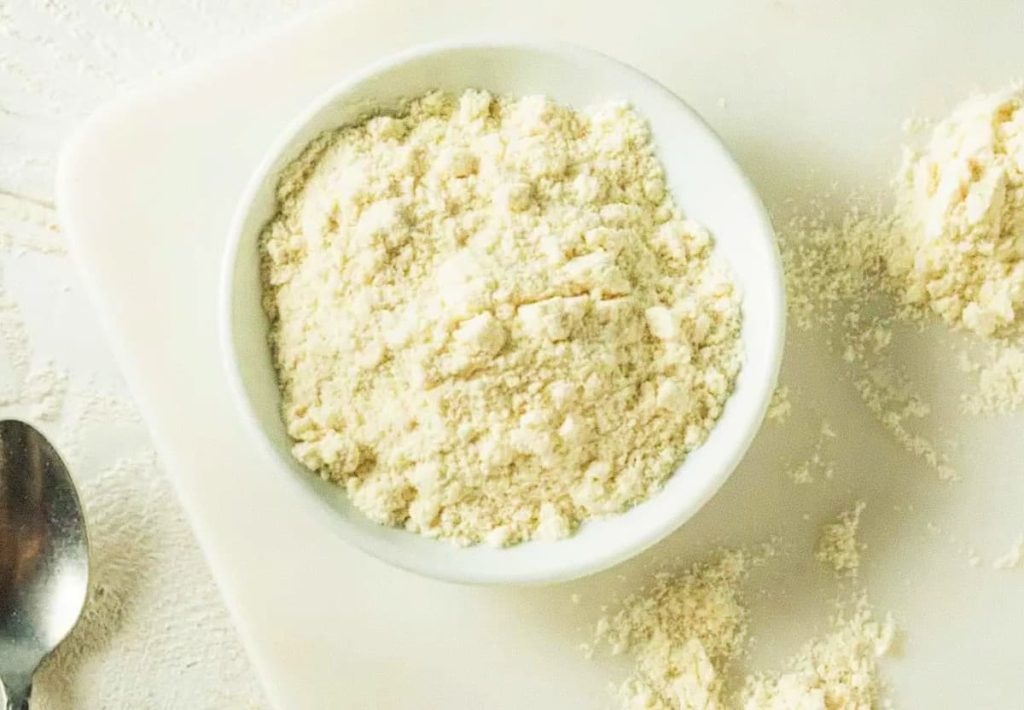
The Filtration Hierarchy: Which Type Do You Need?
Before looking at brands, you need to understand the three main processing methods to ensure you are buying high-quality whey protein. Each has a specific use case:
- Whey Concentrate (WPC): The most “natural” form. It typically contains 70–80% protein, with the rest being small amounts of lactose and fat. It’s the most budget-friendly and retains beneficial bioactive peptides that support immune health.
- Whey Isolate (WPI): Stripped of almost all fat and lactose for 90%+ purity. This is the gold standard for those needing the purest form of high-quality whey protein during a strict “cutting” phase.
- Whey Hydrolysate (WPH): “Pre-digested” for ultra-fast absorption. While it spikes insulin levels higher (which can be anabolic), the performance difference compared to isolate is minimal for most non-professional athletes.
Understanding how filtration processes alter the final powder lets you match your precise fitness objectives—whether fat loss or lean bulking—with the most appropriate product grade. Prioritizing the right form of high-quality whey protein optimizes your digestive comfort and accelerates systemic recovery.
Spotting the “Amino Spiking” Pitfall
This is the most common industry scam. Amino spiking (or nitrogen spiking) happens when a brand adds cheap, non-essential amino acids—like glycine, taurine, or creatine—to the mix. Unscrupulous manufacturers exploit standard laboratory testing limitations to maximize profit margins at the direct expense of your athletic performance and muscle hypertrophy. Recognizing these deceptive practices is essential when evaluating high-quality whey protein to ensure every dollar you spend contributes directly to your actual muscle recovery goals.
How Nitrogen Content Misleads Consumers
Because standard lab tests measure protein based on nitrogen content, these additives “trick” the test into showing a higher protein count. You might think you’re getting 25g of whey, but you’re actually getting 15g of whey and 10g of cheap fillers that don’t trigger muscle growth. Because non-essential amino acids share the same nitrogen backbone as complete proteins, they successfully bypass crude laboratory assays while failing to provide the essential building blocks required for muscle protein synthesis. Demanding complete transparency and rigorous quality testing ensures your chosen high-quality whey protein delivers real, uncompromised structural support.
The Transparency Fix
Always look for a full Amino Acid Profile on the label. If a brand refuses to show its specific amino acid breakdown, it’s a major red flag. Remaining vigilant against deceptive manufacturing practices protects you from paying premium prices for diluted formulas that lack true muscle-building potential. Scrutinizing labels for transparent sourcing guarantees that your high-quality whey protein delivers the exact amount of complete amino acids promised on the tub. (To ensure you are matching your overall intake to your physiological requirements without overspending on redundant supplements, review our guide on [How Much Protein Per Day? 5 Proven Science-Backed Steps for Optimal Health]).
The “Leucine Threshold” Rule
To actually trigger Muscle Protein Synthesis (MPS), your body needs a specific amount of the amino acid Leucine. If you are consistently investing in high-quality whey protein, you are likely providing the necessary “anabolic switch” to trigger this process effectively.
- The 2:1:1 Ratio: High-quality whey should have a BCAA ratio of 2 parts Leucine to 1 part Isoleucine and Valine.
- The Benchmark: For every 25g of total protein, you should see at least 2.3g to 2.5g of Leucine. If the Leucine count is lower, the product is likely not a high-quality whey protein, and your body won’t “switch on” the rebuilding process as expected.
- The Timing Synergy: Understand that your body’s sensitivity to leucine peaks immediately following physical exertion, making your post-workout serving of high-quality whey protein exceptionally critical for maximizing the duration of the anabolic window.
- Complete Protein Synergy: Remember that leucine cannot build muscle tissue alone; it relies heavily on the presence of all other essential amino acids working in concert to form new muscle proteins.
- Serving Size Scalability: Adjust your total powder scoop size according to your body weight and training volume, ensuring you never fall short of the critical per-meal leucine threshold needed for maximum muscular adaptation.
Hitting the precise leucine threshold per serving is the primary biological driver behind turning dietary protein into structural muscle tissue. Ensuring your supplement meets these scientific standards turns every shake into an efficient catalyst for hypertrophy.
Don’t Fear the “Hidden” Macros
A common mistake is paying double the price for a “Zero Carb” isolate when a concentrate only has 3–5g of carbs.
- Calorie Reality: The difference between a “clean” isolate and a concentrate is often only 50–60 calories.
- The Sodium Check: Check the label for sodium levels. High-quality powders usually keep it under 500mg per serving. Excessively high sodium is often used to mask the poor taste of low-quality protein sources.
- Fat Content Nuance: Recognize that a minor difference of 1–2g of fat in a concentrate often provides better satiety and mouthfeel without compromising your fat-loss goals.
- The “Zero” Myth: Be wary of hyper-processed “zero-everything” powders that strip away natural nutrients, as they often replace flavor and texture with complex, synthesized additives that are harder for the body to recognize as food.
- Cost-Efficiency Ratio: Always calculate the “cost per gram of protein” rather than the “cost per tub.” You will often find that a slightly higher-carb concentrate offers significantly more actual muscle-building value than a premium-priced, ultra-refined isolate.
Looking past minor differences in carbohydrates and fats prevents you from overspending on marketing hype while still achieving your target body composition. Selecting a high-quality whey protein with sensible macros keeps your nutrition flexible and sustainable.
The Role of Advanced Processing in Nutritional Integrity
Modern dairy technology allows manufacturers to isolate specific protein fractions without destroying their delicate peptide structures. Evaluating the methods behind high-quality whey protein ensures you receive maximum nutritional benefit without over-processing artifacts.
Cross-Flow Microfiltration vs. Ion Exchange
Different filtration techniques utilize varying pressures and chemical environments to separate the whey liquid from fats and carbohydrates. While ion exchange relies on chemical reagents to separate proteins based on electrical charge—which can inadvertently denature sensitive peptide structures—cross-flow microfiltration uses pristine ceramic membranes under low temperatures. Prioritizing products manufactured through gentle mechanical filtration guarantees that your high-quality whey protein retains its structural integrity and full biological spectrum.
Preserving Native Bioactive Microfractions
Maintaining low temperatures during microfiltration protects delicate immunoglobulins and lactoferrin, ensuring your high-quality whey protein acts as an immune booster alongside its muscle-building benefits. These non-protein microfractions play a vital role in supporting mucosal immunity and reducing systemic inflammation following exhaustive training sessions. Ensuring these components remain intact transforms a basic muscle supplement into a comprehensive health-supporting asset.
Flavoring Systems and Digestive Tolerance
The compounds used to make a protein powder taste appealing can drastically impact your gastrointestinal comfort and overall health markers.
Natural vs. Synthetic Sweetening Agents
Choosing between stevia, monk fruit, and artificial sweeteners changes how your gut microbiome responds to daily supplementation. Emerging clinical data indicates that certain artificial sweeteners can alter microbial diversity and trigger mild digestive sluggishness over prolonged use. Opting for clean, plant-derived flavor systems protects your gastrointestinal lining while still delivering a satisfying flavor profile in every serving of high-quality whey protein.
Minimizing Gastrointestinal Distress and Bloating
Avoiding excessive sugar alcohols like sorbitol in your daily high-quality whey protein shakes prevents unwanted cramping and promotes smoother nutrient absorption. High concentrations of polyols draw excess water into the intestinal tract through osmotic pressure, frequently causing the uncomfortable bloating that many incorrectly attribute to dairy intolerance. Selecting formulations free from cheap artificial sweeteners ensures complete digestive comfort and maximizes daily compliance.
FAQ: Crucial Questions When Choosing Your Whey Protein
How can I tell if my whey is “Amino Spiked” if there is no amino acid table?
If the brand isn’t transparent with the aminogram, check the ingredients list. If you see Glycine, Taurine, Creatine, or Glutamine listed individually inside the protein blend, and the label promises a very high protein count for a suspiciously low price, there’s a high chance they are using these cheap amino acids to “spike” the nitrogen test.
Is Whey Isolate always better than Concentrate?
Not necessarily. Isolate is only superior if you are lactose intolerant or on an extreme calorie-restricted diet. For most people, Concentrate offers the best value for your money and contains beneficial immune-boosting fractions like lactoferrins that are often lost during the isolation process.
Can I trust whey that tastes overly sweet or artificial?
Powders that rely heavily on artificial sweeteners or “creamers” are often masking low-quality raw materials. Furthermore, an excess of sweeteners like sorbitol or xylitol can cause the bloating that many mistake for “whey intolerance.”
Why are some 2kg tubs significantly cheaper than others?
Often, these products use WPC 35 (a concentrate with only 35% protein). This means the majority of the contents are carbohydrates and fat. Always do the math: (Grams of protein per scoop ÷ Scoop size) x 100. If the result is lower than 60%, you’re buying a supplement with low biological efficiency.
Does the expiration date affect the biological efficacy of whey protein?
Over time, improperly stored protein powders can experience protein degradation and a reduction in vitamin potency, especially if exposed to heat and moisture. Ensuring your high-quality whey protein is stored in a cool, dark, and dry container preserves its complete amino acid integrity long after purchase.
Can mixing whey protein with milk change its absorption rate?
Mixing your powder with milk introduces slow-digesting casein fats and lactose, which naturally slows down the overall gastric emptying and amino acid release rate. While this blunts the rapid spike of a post-workout shake, it provides a sustained stream of nutrients that makes it an excellent choice for a meal replacement or pre-bed snack when utilizing high-quality whey protein.
Which brands offer high-quality whey protein?
Identifying high-quality whey protein requires looking beyond marketing and examining the amino acid profile. If the brand isn’t transparent with the aminogram, check the ingredients list. If you see Glycine, Taurine, Creatine, or Glutamine listed individually inside the protein blend, and the label promises a very high protein count for a suspiciously low price, there’s a high chance they are using these cheap amino acids to “spike” the nitrogen test. Clearing up common industry confusions ensures you make empowered purchasing decisions aligned with actual nutritional science.
Addressing these frequently asked questions regarding high-quality whey protein protects you from common consumer traps and optimizes your daily supplement regimen. (For a deeper look into supplement purity standards and manufacturing safety, check out our clinical analysis on [Is Whey Protein Safe? 5 Facts on Purity, Heavy Metals, and Health]).
The Bottom Line: Your Quality Checklist
Before you hit “buy,” put your supplement through this 4-point test to ensure you are purchasing high-quality whey protein:
- Protein Density: Is the protein content at least 60–80% of the total scoop weight?
- Transparency: Is there a complete amino acid table listed?
- BCAA Content: Does it have at least 5.5g of BCAAs per 25g of protein?
- No Fillers: Are “Maltodextrin” or “Creamers” listed in the first few ingredients?
- Heavy Metal Screening: Does the brand provide independent third-party laboratory testing certificates (such as NSF Certified for Sport or Informed-Choice) verifying the absence of heavy metals and banned substances?
- Sourcing Integrity: Is the whey derived from grass-fed, hormone-free dairy livestock, ensuring a cleaner biochemical profile free from unwanted agricultural residues?
If you’re still wondering how to hit your protein goals without relying solely on shakes, dive into our guide on Why Your Protein Labels are Lying: The DIAAS Score Revolution to understand how to measure the true digestibility of what you eat.
Utilizing a structured evaluation checklist guarantees that every container you purchase meets rigorous nutritional criteria before it ever reaches your shaker bottle. Adhering to these selection rules for high-quality whey protein secures long-term progress in your training and total peace of mind.
