In the world of high-performance nutrition, high protein meals are more than just a trend—protein is the ‘anchor.’ Whether you are training like an England Rugby pro or simply trying to stave off the muscle loss that begins after age 40, the science is clear: the timing and quality of your high protein meals dictate your results. According to research highlighted by Planty, a high-protein meal should aim for at least 25g to 30g of protein to effectively flip the switch for Muscle Protein Synthesis (MPS).
The “Protein Anchor” Breakfasts
Athletes like Jeff Cavaliere (Athlean-X) emphasize that most people fail their protein goals by starting the day with too many carbs. To fix this, chefs and nutritionists recommend “autopilot” breakfasts that clear the 30g threshold.
Establishing a robust nutritional foundation in the morning is essential for setting the metabolic tone of your entire day. Consuming a substantial dose of amino acids right after waking up helps suppress ghrelin (the hunger hormone) while stimulating peptide YY, effectively curbing cravings hours before they typically start. By anchoring your first meal of the day with structured high protein meals, you trigger muscle protein synthesis early and provide your body with the metabolic drive necessary to sustain high energy levels without reaching for sugary, low-quality pick-me-ups.
High-Protein Pancakes
By swapping traditional flour for protein-rich bases (like cottage cheese or oats), you get a recovery-focused meal without the mid-morning sugar crash.
Traditional breakfast foods often trap you in a vicious cycle of rapid insulin spikes and subsequent fatigue. Reinventing classic comfort dishes into true high protein meals allows you to enjoy your favorite textures while keeping your blood glucose strictly regulated. This culinary adjustment transforms an otherwise empty-calorie treat into a powerful anabolic recovery tool, supporting lean tissue maintenance and steady mental clarity all morning long.
Spanish-Inspired Frittata Wraps
Combining eggs (the gold standard for bioavailable protein) with black beans and a whole-grain wrap provides slow-release energy perfect for pre-workout fueling.
Combining whole-food protein sources with complex, fiber-dense carbohydrates creates a synergistic fuel source that digests at an optimal, measured pace. When you incorporate these balanced high protein meals into your pre-training routine, your muscles receive a steady, uninterrupted supply of amino acids and sustained glycogen. This prevents mid-workout energy crashes and protects your hard-earned muscle tissue from catabolic breakdown during intense physical exertion.
Elite Performance Lunches
For those in active training, lunch is about managing the “Protein Lever.” If protein is too low, you’ll find yourself hunting for snacks by 3 p.m. Incorporating high protein meals at midday not only keeps your energy stable but also ensures you hit your recovery targets without relying on processed supplements.
Midday fatigue is frequently a direct consequence of a macronutrient-deficient lunch that fails to properly stimulate satiety signaling in the brain. Shifting your nutritional focus toward robust, nutrient-dense high protein meals during the middle of the day stabilizes your neurotransmitter production, sharpens your afternoon focus, and effortlessly eliminates the urge to graze on hyper-palatable office snacks.
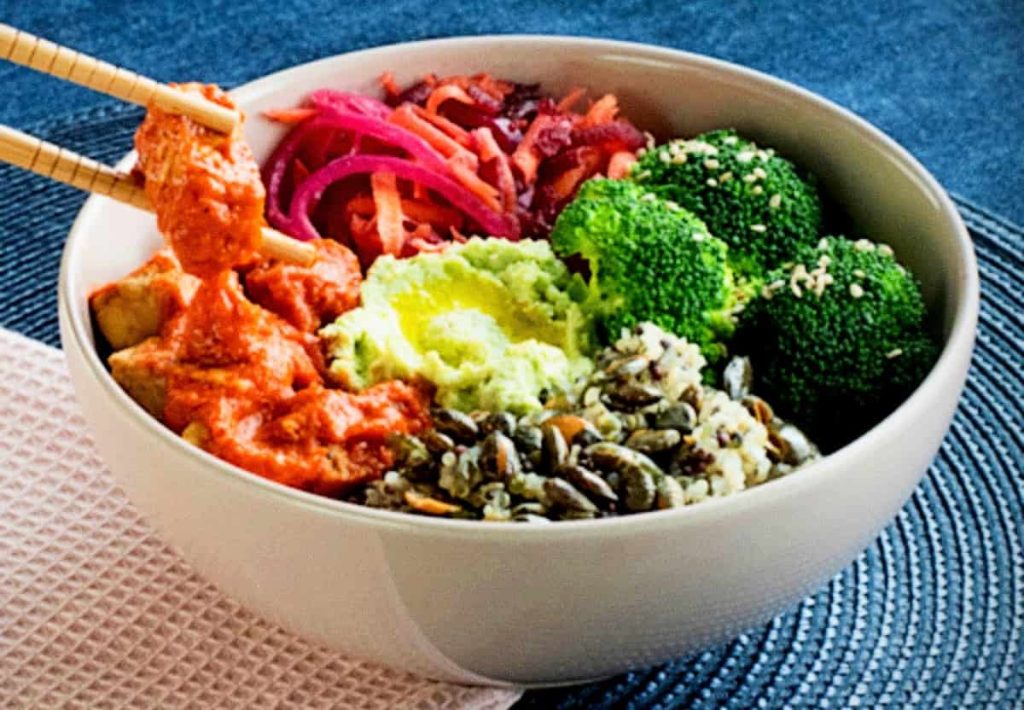
Tempeh Sweet Chili Stir-Fry
A favorite for plant-based athletes, tempeh provides a staggering 33.5g of protein per serving while offering fermented gut-health benefits.
Plant-based athletic performance requires careful attention to amino acid profiles and digestive efficiency. Fermented soy options like tempeh deliver a complete spectrum of essential amino acids while introducing beneficial probiotics that actively support gastrointestinal health. Integrating these innovative, plant-forward high protein meals into your weekly rotation ensures you can build lean muscle mass while keeping inflammation low and your gut microbiome thriving.
Cobb-Style Kale Salad
Dietitians recommend this “power salad” because it stacks protein sources—chicken, hard-boiled eggs, and turkey bacon—to reach up to 50g of protein in a single sitting.
Salads are frequently dismissed as light, unsatisfying rabbit food, but layering complementary protein sources completely reinvents their nutritional value. Stacking diverse animal proteins over a bed of micronutrient-dense dark leafy greens turns a simple bowl into one of the most effective high protein meals for post-workout muscle repair. This approach delivers a massive dose of leucine—the primary trigger for muscle protein synthesis—alongside a rich array of vitamins and minerals.
Chef-Designed Dinners for Recovery
Recovery doesn’t happen in the gym; it happens at the dinner table. Nutritionists for the England Roses emphasize adding “color” (antioxidants) to reduce inflammation alongside your protein. Transitioning to these chef-designed high protein meals for dinner helps mitigate the muscle breakdown that occurs during overnight fasting.
The final meal of the day plays a critical role in directing your body’s nocturnal repair systems, where tissue regeneration and muscle protein synthesis take center stage during sleep. Designing your evening nutrition around these restorative high protein meals supplies a gradual release of amino acids through the night, directly countering catabolic processes and ensuring you wake up feeling recovered, strong, and ready for your next training session.
Salmon and Edamame Bowls
A 5-ounce salmon fillet paired with a cup of edamame clears 40g of protein. This combo is rich in Omega-3s, which are essential for muscle repair.
Achieving peak physical adaptation requires more than just raw protein volume; it demands active control over systemic cellular inflammation. Pairing high-quality seafood with plant-based protein sources creates one of the ultimate high protein meals loaded with essential fatty acids that accelerate joint healing and reduce post-exercise muscle soreness, ensuring you bounce back faster from demanding physical workloads.
Red Lentil Pasta with Lean Meatballs
A smart “chef swap” where using lentil-based pasta adds 13g of protein per cup before you even add the turkey or beef meatballs.
Traditional pasta dishes often leave you feeling sluggish and undernourished, but making this simple ingredient swap completely revolutionizes the meal’s macronutrient profile. By combining legume-based pasta with lean meats, you create one of the most comforting yet effective high protein meals available, allowing you to enjoy classic Italian flavors while easily surpassing the amino acid thresholds required for optimal muscle recovery.
Calculating Your Needs
To ensure you are calculating your specific needs correctly—whether you’re aiming for 0.7g or 1.0g per pound—check out our breakdown of The Protein Equation: How Much You Really Need for Muscle Growth.
Guessing your macronutrient requirements often leads to either stalled progress or unnecessary digestive strain from excessive consumption. Taking the time to dial in your exact daily targets ensures that the high protein meals you prepare are perfectly calibrated to your body weight and activity level, maximizing muscle protein synthesis without wasting calories or money on surplus food.
The “Sneaky” High-Protein Snacks
Chefs often use “stealth” ingredients to boost protein in snacks and desserts.
Hitting your daily macronutrient goals doesn’t always have to involve sitting down to a heavy plate of chicken and rice. By intelligently hiding unflavored protein powders, egg whites, or cottage cheese in everyday recipes, you effectively bridge the gap between your main high protein meals, keeping your metabolism active and your muscles fed even when you are craving something sweet.
Chocolate Milk
Long used by pro athletes, it offers the perfect carb-to-protein ratio for immediate post-strength training rehydration.
Liquid nutrition plays a unique and vital role immediately following intense physical exertion when your digestive system is not yet ready for solid food. Utilizing this classic athletic staple provides a rapid influx of simple carbohydrates to replenish glycogen and fast-digesting casein and whey, serving as the perfect temporary bridge until you can sit down for one of your structured high protein meals.
Greek Yogurt Protein Bowls
Using plain Greek yogurt as a base provides 20-30g of protein, which can be topped with hemp seeds or nuts for an extra boost.
Dairy-based options offer incredible versatility for those who need to quickly boost their daily intake without spending hours over a hot stove. Because of its thick texture and dense concentration of slow-digesting casein, this simple base functions as one of the most convenient high protein meals you can assemble, providing long-lasting satiety and continuous muscle repair throughout a busy afternoon or overnight.
The Professional “Protein Cheat Sheet”
Consistently preparing these high protein meals is the most effective way to manage your hunger levels throughout the day.
To ensure your overall nutritional framework maintains proper balance across different macro categories, it is also beneficial to review Fiber and Protein Balance: 3 Powerful Ways to Improve Satiety to optimize your daily meal structure.
Building a sustainable nutritional framework relies heavily on predictability and ease of execution in the kitchen. When you memorize a reliable template of macro-friendly ingredients, assembling high protein meals becomes second nature, completely eliminating the daily stress of meal planning and ensuring you effortlessly hit your recovery and body composition goals week after week.
| Meal Type | The Protein Anchor | The “Stealth” Booster | Total Protein Est. |
| Vegan | Tempeh / Seitan | Nutritional Yeast / Nuts | 28g – 35g |
| Poultry | Chicken Breast | Bone Broth (in sauces) | 35g – 45g |
| Seafood | Salmon / Shrimp | Edamame Side | 30g – 40g |
| Vegetarian | Eggs / Yogurt | Lentil Pasta | 25g – 30g |
Advanced Strategies for Daily Performance
To reach the pinnacle of physical and cognitive output, you must integrate advanced nutritional tactics that support long-term recovery and metabolic efficiency.
The Impact of Meal Frequency on Nitrogen Balance
Maintaining a positive nitrogen balance is the physiological key to preventing muscle wasting and ensuring your body remains in an anabolic state throughout the day.
Sustained Anabolism Through Strategic Timing
By consistently timing your intake of high protein meals, you keep a steady pool of amino acids circulating in your bloodstream. This prevents the body from tapping into existing muscle tissue for energy during high-stress periods, effectively ensuring that every training session is backed by sufficient internal resources for repair.
Optimizing Digestion for Nutrient Partitioning
Even the most well-constructed high protein meals provide limited benefit if your digestive system cannot effectively partition those nutrients into the tissues that need them most.
Gut Microbiome Influence on Protein Assimilation
A thriving, diverse gut microbiome acts as the final gatekeeper for protein utilization. By fostering a healthy gut environment, you ensure that the complex amino acids found in your high protein meals are broken down and absorbed with maximum efficiency, preventing the bloating and sluggishness often associated with less optimized dietary approaches.
The Synergy of Protein and Micronutrient Density
True performance nutrition goes beyond simple gram-counting; it requires an intentional approach to how protein interacts with the vitamins and minerals needed for cellular function.
Why Quality of Source Matters
Not all protein is biologically equivalent. When you select high protein meals composed of whole, minimally processed ingredients, you gain access to vital co-factors—such as B12, iron, and zinc—that are frequently stripped away in highly processed, “protein-fortified” alternatives.
Metabolic Benefits of Whole-Food Protein
Choosing high-quality, nutrient-dense high protein meals minimizes the need for synthetic supplementation. By prioritizing real food, you supply your body with the complete metabolic toolkit required to optimize muscle protein synthesis, sustain hormonal health, and fuel your daily life with clean, consistent energy.
FAQ: Professional Protein Secrets
Is there such a thing as “too much” protein in one meal? While your body can only use a certain amount for muscle building at once (the MPS spike), the “excess” is used for other bodily functions or energy. Most experts suggest spreading 25-40g across 4-5 meals rather than one giant 150g sitting.
Does red meat offer specific benefits? Yes. Performance nutritionists note that beef naturally contains creatine, which supports explosive power and muscle volume, though lean poultry and fish are often preferred for daily weight management.
What is the best “emergency” high-protein meal? A rotisserie chicken. Dietitians recommend keeping one on hand, removing the skin, and pairing the shredded meat with a quick bag of frozen vegetables for a 30g+ meal in under 5 minutes. Having a few go-to high protein meals like this ready ensures you never have to resort to low-quality fast food when you are short on time.
Can plant-based eaters easily match the muscle-building results of meat-eaters? Yes, but it requires much closer attention to complementary amino acid profiles and total volume. Because many individual plant sources lack a complete spectrum of essential amino acids, combining legumes with grains or utilizing specialized protein alternatives ensures you hit the necessary thresholds required for successful high protein meals without animal products.
How does cooking method affect the protein quality in my food? Extreme or prolonged heat can alter the structural integrity of delicate amino acids, particularly lysine, making them harder for your body to absorb. To preserve the nutritional value of your high protein meals, opt for moderate cooking temperatures like steaming, gentle pan-searing, or baking rather than charring or deep-frying.
Should I consume protein immediately after a workout, or is the “anabolic window” a myth? While the strict 30-minute window is largely an exaggeration, consuming a quality protein source within one to two hours of resistance training significantly maximizes muscle protein synthesis. Planning your post-training schedule around well-balanced high protein meals ensures your muscle fibers have immediate access to the building blocks necessary for rapid recovery and cellular adaptation.
To explore further ways to streamline your daily nutrition and support efficient post-exercise recovery, check out our guide on Best Animal Protein Sources: 4 Options to Maximize Muscle Recovery.
Medical Disclaimer: This content is for educational purposes only and does not constitute medical advice, diagnosis, or treatment. Always seek the advice of your physician or other qualified health provider with any questions you may have regarding a medical condition or dietary changes. Never disregard professional medical advice or delay in seeking it because of something you have read on this website.
