Does coffee stimulate GLP-1? For years, we believed the “magic” of coffee came solely from caffeine. However, as GLP-1 medications like Ozempic and Mounjaro transform weight loss, science is taking a second look at our morning brew. Landmark studies, including research published by Cambridge University, confirm that coffee is a powerful natural stimulator of the GLP-1 hormone.
Investigating the metabolic properties of everyday beverages reveals that common dietary staples can actively engage our endocrine system. When evaluating whether does coffee stimulate GLP-1, researchers highlight that specific bio-compounds interact directly with intestinal sensors to upregulate incretin production. Clinical data consistently shows that integrating polyphenol-rich liquids into a healthy routine supports natural appetite regulation and enhances metabolic flexibility. By understanding these underlying physiological mechanisms, you can transform a simple morning habit into an effective tool for sustaining long-term wellness.
To build a complete nutritional foundation that complements these functional beverages, you can explore our comprehensive resource: What to eat on a GLP-1 Diet: The evidence-based guide.

The Science: It’s Not Just the Caffeine
While caffeine provides the energy, Coffee Polyphenols—specifically Chlorogenic Acids (CQA)—are the real heroes for your metabolism. When you drink coffee, these polyphenols reach your small intestine and activate a signaling pathway called cAMP. Beyond just energy, understanding exactly how does coffee stimulate GLP-1 provides the key to using your morning cup as a metabolic tool.
The Chain Reaction
The process follows this specific biological path:
Polyphenols → Increased cAMP → L-cell Activation → GLP-1 Release.
Mapping out the precise cellular sequence triggered by dietary antioxidants reveals the remarkable efficiency with which plant compounds interact with human physiology. As chlorogenic acids and associated bioactive molecules cross the intestinal barrier, they stimulate intracellular signaling cascades that elevate cyclic adenosine monophosphate (cAMP) levels within specialized neuroendocrine tissues. This biochemical messenger acts as a direct molecular switch, prompting intestinal L-cells to execute exocytosis and release stored incretin hormones into the bloodstream. Gracing this intricate cellular pathway underscores how does coffee stimulate GLP-1 at a microscopic level, turning an ordinary morning drink into a targeted trigger for metabolic health and sustained satiety.
The Result
Your body naturally signals to your brain that you are full, while simultaneously slowing down digestion to keep blood sugar steady. For those looking to optimize this effect through “Functional Coffee,” the use of specific additives like C10 MCT oil can be a game-changer. You can explore more about these ingredients and how they impact your hormones here: Does Coffee Affect GLP-1? Here’s What the Science Suggests.
Analyzing the intricate biochemical pathways activated by dietary antioxidants illuminates why specific plant compounds are so valuable for metabolic control. As chlorogenic acids traverse the gastrointestinal tract, they initiate a precise chain reaction that prompts intestinal L-cells to release crucial satiety hormones. Clinical endocrinologists note that exploring does coffee stimulate GLP-1 helps patients leverage everyday dietary elements to reinforce natural blood sugar balance and curb unwanted cravings. Harnessing this cellular cascade bridges the gap between routine beverage consumption and targeted metabolic optimization.
Does Coffee Stimulate GLP-1? Why It’s Called “Nature’s Ozempic”
Can coffee replace your medication? No. But it can act as a biological multiplier. Research suggests that coffee polyphenols not only raise GLP-1 but also suppress GIP, a hormone often linked to fat storage. This dual action makes coffee a “metabolic tool” that supports the goals of your medication. Many patients ask, “does coffee stimulate GLP-1” enough to make a clinical difference? While it isn’t a replacement for medication, the consistent activation of gut hormones confirms its role as a supportive, natural strategy.
Recognizing the dual action of dietary polyphenols on both incretins and storage hormones provides valuable context for modern metabolic management. While pharmaceutical interventions offer powerful, sustained pharmacological levels, incorporating supportive dietary habits enhances overall metabolic efficiency. Investigating does coffee stimulate GLP-1 demonstrates that natural compounds can complement clinical protocols by helping to modulate fat storage pathways and stabilize appetite. Emphasizing these synergistic effects allows individuals to build a comprehensive, multi-layered approach to healthy weight maintenance.
Expert Rules for GLP-1 Users
How you drink it matters. To maximize the GLP-1 response without irritating your stomach (a common side effect of medications like Wegovy), follow these expert rules:
The “Decaf” Hack
If you are sensitive to jitters or nausea, choose high-quality decaf. The polyphenols are still there, providing the same GLP-1 boost. When considering does coffee stimulate GLP-1, it is important to note that the caffeine content is secondary to the antioxidant profile, making decaf an equally effective choice for your hormone health.
Opting for decaffeinated coffee provides a strategic workaround for individuals who love the ritual of their morning brew but struggle with stimulant-induced anxiety, rapid heart rate, or sleep disruptions. Clinical observations indicate that the primary active drivers for incretin release are the antioxidant compounds rather than the alkaloid stimulants, meaning you do not sacrifice metabolic benefits by reducing caffeine. Investigating does coffee stimulate GLP-1 through this caffeine-free lens reassures wellness seekers that they can protect their adrenal glands while maintaining a steady hormonal signal. By selecting high-grade Swiss-water processed decaf, you achieve the ideal balance between calm physiology and active gut stimulation.
Mind the Acidity
GLP-1 meds slow gastric emptying, meaning coffee stays in your stomach longer. If you experience heartburn, try “cold brew,” which is naturally 60% less acidic.
Navigating gastrointestinal sensitivities requires paying close attention to the chemical composition of your beverages, particularly when pharmaceutical treatments already alter gastrointestinal transit times. Because delayed gastric emptying causes acidic compounds to linger against the esophageal lining, standard hot-brewed coffee can trigger uncomfortable acid reflux or upper abdominal distress. Evaluating does coffee stimulate GLP-1 while incorporating low-acid alternatives like cold extraction protects the delicate mucosal lining of your gut. Making this simple brewing adjustment ensures that you can comfortably harness your favorite morning drink without compromising your digestive peace or daily compliance.
The “Functional Coffee” Protocol
To turn your morning ritual into a GLP-1 powerhouse, many users now “stack” their coffee with specific nutrients. Adding a scoop of protein, for instance, triggers a secondary GLP-1 response through the gut’s calcium-sensing mechanism. Since protein is the most critical macronutrient to pair with your morning brew for muscle preservation, ensure you are hitting your targets by visiting: The Protein Equation: Decoding Individual Macronutrient Requirements.
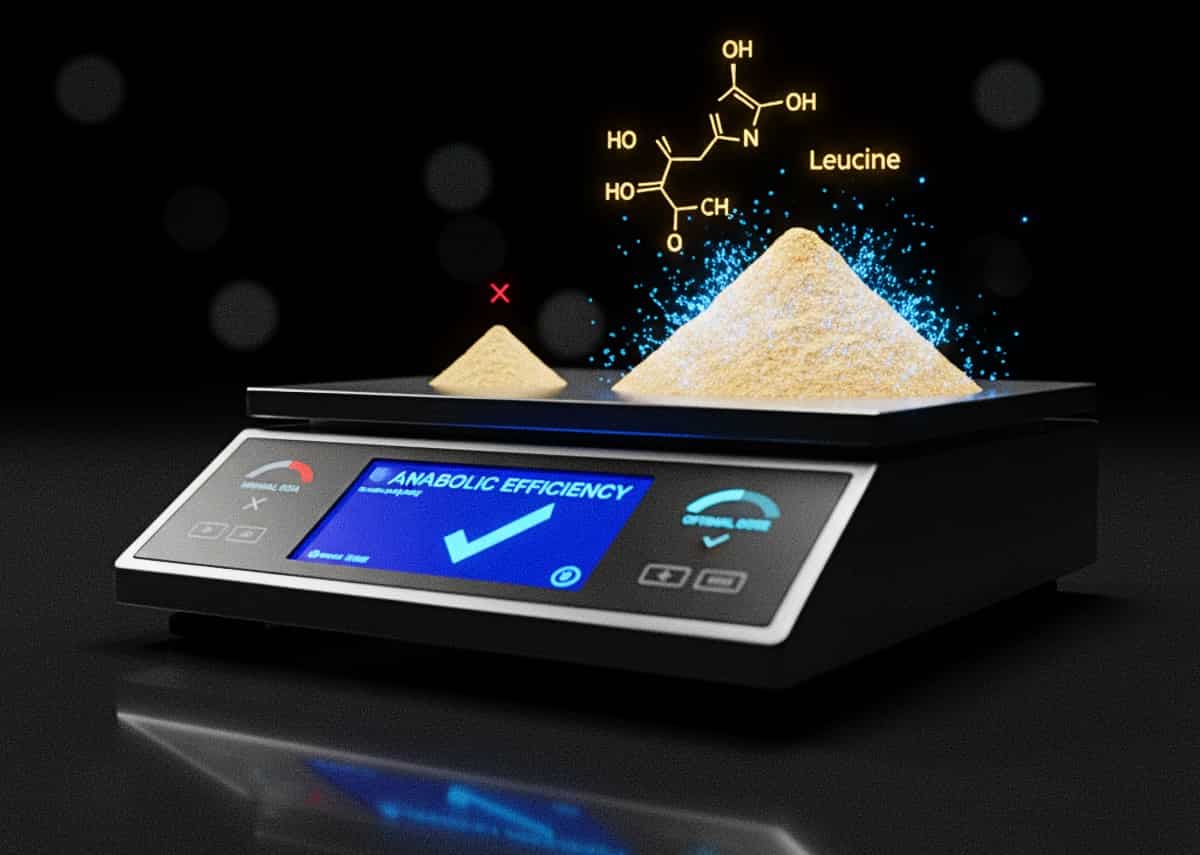
Tailoring your consumption habits to accommodate slowed gastric motility ensures that your morning routine remains comfortable and therapeutically beneficial. Gastrointestinal specialists emphasize that adjusting brewing methods—such as opting for cold extraction or decaffeinated beans—prevents unnecessary acid reflux while preserving the key antioxidants needed for incretin activation. Evaluating does coffee stimulate GLP-1 through the lens of digestive tolerance empowers you to customize your intake, ensuring seamless compatibility with both sensitive stomachs and modern weight management therapies. To complement these morning adjustments with proper macronutrient tracking, you can also review our guide: How much protein do you need a day?.
GLP-1 Coffee Checklist: Dos and Don’ts
| Strategy | Why? |
| Do: Drink it Post-Meal | Maximizes the GLP-1 peak after you eat. |
| Don’t: Drink it on an Empty Stomach | Can worsen nausea and acidity for GLP-1 users. |
| Do: Choose Darker Roasts | Often contain higher concentrations of specific beneficial compounds. |
| Don’t: Add Sugar | Spikes insulin and can counteract the natural GLP-1 satiety benefit. |
Utilizing structured, quick-reference frameworks removes guesswork from daily habits and promotes consistent adherence to gut-friendly practices. Implementing these practical guidelines ensures that every cup you consume actively supports your metabolic targets without triggering adverse gastrointestinal symptoms. Reviewing how does coffee stimulate GLP-1 alongside these practical rules allows you to optimize timing, temperature, and additives for maximum hormonal benefit.
Advanced Metabolic Optimization: Maximizing Your Morning Routine
Chrononutrition and Morning Timing
Aligning Caffeine with Your Circadian Rhythm
When evaluating how does coffee stimulate GLP-1, researchers emphasize that the timing of your morning consumption plays a critical role in hormonal efficiency. Because cortisol levels naturally peak immediately upon waking, consuming coffee right away can interfere with your natural stress response. Waiting at least sixty minutes after waking allows your body’s endocrine system to stabilize, ensuring that your morning brew acts harmoniously with your natural circadian rhythm to optimize how does coffee stimulate GLP-1.
The Future of Functional Beverages and Metabolic Health
The Role of Specialty Roasts in Longevity
Selecting Beans for Maximum Polyphenol Retention
When exploring the long-term benefits of daily habits, researchers frequently investigate how does coffee stimulate GLP-1 through the lens of agricultural processing and roasting profiles. Light and medium roasts typically retain higher concentrations of chlorogenic acids compared to heavily charred dark roasts, making them superior choices for metabolic support. By prioritizing specialty beans rich in antioxidants, you maximize the biological compounds necessary to answer how does coffee stimulate GLP-1 effectively over years of consistent consumption.
Selecting the right coffee beans involves understanding how post-harvest processing and heat application alter the chemical composition of your daily brew. Roasting transforms raw green coffee beans, breaking down certain acids while creating new antioxidant structures that directly influence endocrine signaling. Clinical nutritionists point out that optimizing bean selection ensures you receive the highest possible therapeutic dose of active molecules, reinforcing the mechanisms behind how does coffee stimulate GLP-1. This deliberate attention to quality turns an ordinary grocery store purchase into an active component of your longevity toolkit.
FAQ: Your Morning Brew and Your Meds
Does coffee interfere with Ozempic or Wegovy?
There is no clinical evidence that black coffee reduces the effectiveness of these drugs. In fact, it may support your natural hormone production alongside them.
Why does coffee make me nauseous now?
Because GLP-1 medications slow down your digestion, the acid in coffee stays in your stomach for several hours. Switching to a lighter brew or a non-acidic alternative can help.
What is the best alternative to coffee for GLP-1?
If coffee is too harsh, Yerba Mate or Green Tea are excellent alternatives. They contain similar polyphenols that stimulate GLP-1 with lower acidity.
Does coffee stimulate GLP-1?
There is no clinical evidence that black coffee reduces the effectiveness of these drugs. In fact, it may support your natural hormone production alongside them.
Can adding milk or creamer to my coffee alter its impact on GLP-1?
Yes. While black coffee relies purely on its polyphenols, adding heavy cream introduces fats that can further slow gastric emptying, whereas sugary creamers can cause an insulin spike that counteracts the metabolic benefits of your coffee and its ability to act alongside does coffee stimulate GLP-1 principles.
Does the brewing method (like espresso vs. French press) change how coffee affects GLP-1?
Yes, unfiltered brewing methods (like French press or Turkish coffee) retain higher levels of cafestol and kahweol along with chlorogenic acids, which can influence lipid profiles differently while still supporting the cellular pathways that answer whether does coffee stimulate GLP-1.
Does the temperature of my coffee change how it interacts with my medication?
Temperature does not alter the core pharmacological efficacy of GLP-1 receptor agonists, but drinking very hot coffee on an empty stomach when gastric motility is slowed can temporarily exacerbate upper gastrointestinal irritation. Allowing your coffee to cool to a moderate temperature can significantly reduce the likelihood of acute stomach discomfort.
The Bottom Line
Your daily coffee is more than just a wake-up call—it’s a clinical tool for metabolic health. By confirming that does coffee stimulate GLP-1 remains a “yes” in clinical literature, you can confidently integrate your morning brew into your long-term weight management plan. By focusing on the polyphenols and managing acidity, you can leverage your morning brew to support your weight loss journey naturally.
Concluding your daily nutritional planning with an appreciation for functional beverages transforms a routine morning habit into a powerful ally for metabolic health. Embracing the reality that does coffee stimulate GLP-1 validates the integration of high-polyphenol brews into evidence-based wellness regimens. By maintaining mindfulness regarding roast quality, additives, and consumption timing, you harness the full therapeutic potential of your favorite morning ritual.
Disclaimer: This content is for educational purposes only and does not constitute medical advice. Always consult with your healthcare provider before making changes to your diet or lifestyle, especially if you are taking prescription medications.
