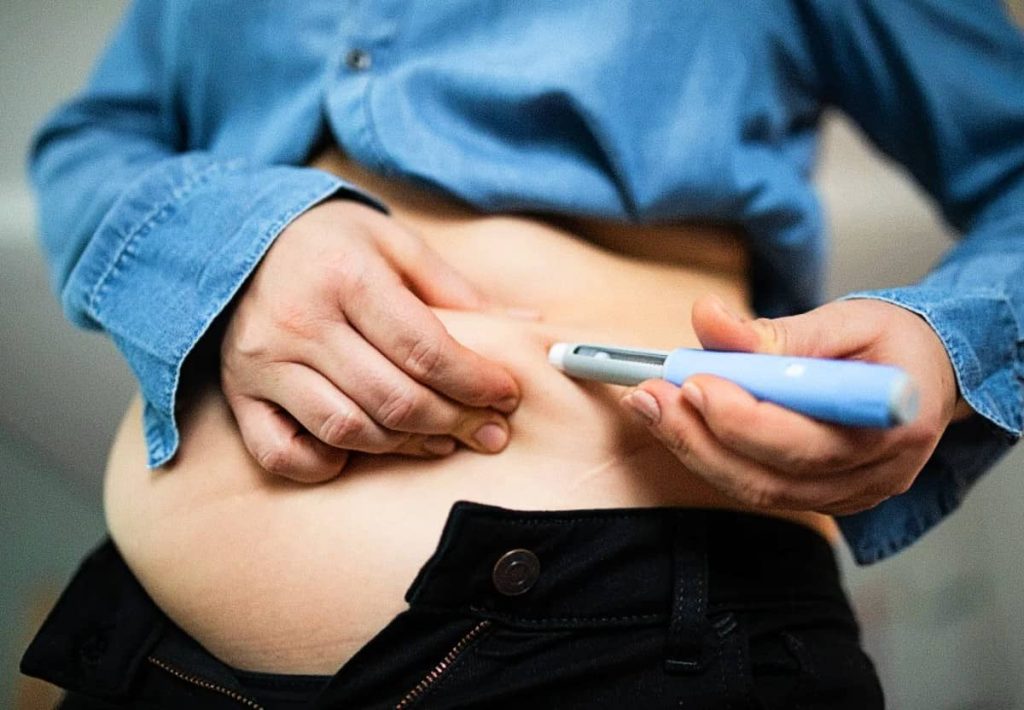
Following a GLP-1 diet is essential for anyone using medications like Ozempic, Wegovy, or Mounjaro to ensure long-term health and prevent muscle loss. While these medications have transformed weight management, they are not a ‘set it and forget it’ solution; therefore, adhering to a structured GLP-1 diet is the critical factor in managing hunger cues and gastrointestinal side effects.
Nutrient Density vs. Volume
A common challenge with GLP-1 therapy is the inability to finish standard-sized meals. According to dietitian Gianna Masi, RDN, in an expert guide for Anytime Fitness, the key is prioritizing nutrient density over volume.
Low Volume, High Impact
Instead of filling up on “airy” foods, opt for dense, nutrient-rich choices like granola, Greek yogurt, or lean proteins that provide maximum nutrition in fewer bites.
The “Protein-First” Protocol
By prioritizing these dense foods as part of your GLP-1 diet, you ensure your body receives essential fuel even when appetite is significantly reduced.
Calculating Your Needs
Since every body responds differently to the medication, understanding your specific requirements is vital. For a deep dive into the math, see our guide on The Protein Equation: Decoding Individual Macronutrient Requirements.
The Protein Crisis: Safeguarding Your Muscle
The most significant risk of GLP-1 therapy is sarcopenia (muscle loss). Clinical studies indicate that GLP-1 users often consume a “critically low” amount of protein due to suppressed appetite, leading to the loss of lean tissue along with fat. Dietitians now recommend a range of 1.2 to 1.6 grams of protein per kilogram of body weight to maintain metabolic health.
Fiber and Digestion: The Dual-Action Ally
Maintaining this high-protein intake is a foundational pillar of any successful GLP-1 diet, as it acts as a primary defense against the inevitable loss of lean muscle mass during rapid weight reduction.
Strategic Fiber Intake
Aim for 21–25g for women and 30–38g for men, prioritizing non-starchy vegetables like broccoli and spinach over high-starch options like corn. Because the medication already slows digestion, increase fiber gradually to allow your system to adjust.
Side-Effect Mitigation: What to Avoid
Gastrointestinal distress is the primary reason patients discontinue therapy. To minimize nausea and bloating, avoid:
- Carbonated Drinks: Trapped gas causes painful “sulfur burps.”
- Alcohol: Both GLP-1s and alcohol are processed by the liver, increasing metabolic stress.
- Fried Foods: High-fat meals slow gastric emptying even further, often leading to vomiting. Avoiding these triggers is essential, as they can severely undermine the effectiveness and comfort of your GLP-1 diet by exacerbating gastrointestinal distress.
Sample GLP-1 Daily Framework
| Meal | Strategy | Food Examples |
| Breakfast | Protein-Dense | Greek yogurt, protein shake, or eggs with spinach. |
| Lunch | “Protein First” | Grilled chicken or water-packed tuna with a side salad. |
| Snack | Nutrient Density | A handful of almonds, cottage cheese, or bone broth. |
| Dinner | Lean & Easy | Baked salmon with a small portion of quinoa and berries. |
FAQ: Navigating GLP-1 Nutrition
Meal Frequency and Habits
- Is it okay to skip meals if I’m not hungry? No. Skipping meals leads to “critically low” protein and nutrient gaps. Use a “food alarm” to eat small, nutrient-dense snacks every 3–4 hours.
- Can I eat “junk food” if I’m still losing weight? While you might lose weight, high-sugar diets can blunt the hormonal effectiveness of the medication, making it harder to sustain long-term health.
Long-term Health and Symptoms
- Why am I experiencing hair thinning? Hair loss is often a sign of rapid weight loss coupled with inadequate protein and micronutrients like B12 and Zinc. Ensuring you hit your protein targets is your first line of defense.
The Bottom Line: GLP-1 medications create a biological window of opportunity. By focusing on protein density, fiber escalation, and intentional hydration, you aren’t just losing weight—you are rebuilding your metabolic health for the long term.
