Many people ask: why do doctors say no to whey protein? The tension between medical practitioners and fitness professionals is a fundamental difference in priorities. While trainers focus on muscle protein synthesis, doctors are trained to mitigate systemic risk. In 2026, as the supplement market faces scrutiny, the medical “no” is rooted in a “food-first” clinical protocol. Experts confirm why do doctors say no to whey protein to prioritize evidence-based safety. Understanding why do doctors say no to whey protein requires looking beyond marketing claims and examining the clinical evidence regarding supplement caution.
Why Do Doctors Say No to Whey Protein: The Transparency Crisis
The primary reason many doctors hesitate to greenlight protein powders is the lack of federal oversight. In the United States, the FDA does not regulate supplements with the same rigor as pharmaceuticals. This leaves the burden of safety on the manufacturer—a system that has failed consumers repeatedly. When patients ask why do doctors say no to whey protein, the answer often points directly to this lack of accountability. A 2025 report from the Clean Label Project highlighted that out of 134 popular protein products, a significant percentage contained detectable levels of heavy metals such as lead, arsenic, and cadmium. Even more concerning to endocrinologists was the discovery of BPA (Bisphenol-A), a known hormone disruptor, in levels up to 25 times the legal limit in certain brands. For a doctor, recommending a product with potential neurotoxins or endocrine disruptors is a professional liability, which is exactly why do doctors say no to whey protein in the absence of certified third-party testing.
The 2026 Regulatory Landscape
As we move further into 2026, the regulatory gap remains the biggest hurdle for supplement safety. When clients inquire why do doctors say no to whey protein, it is often because there is no guarantee that the label matches the chemical composition inside the tub. Regarding the ongoing debate on why do doctors say no to whey protein, it is clear that without strict government enforcement of manufacturing standards, the risk of mislabeling remains an unacceptable variable in clinical care.
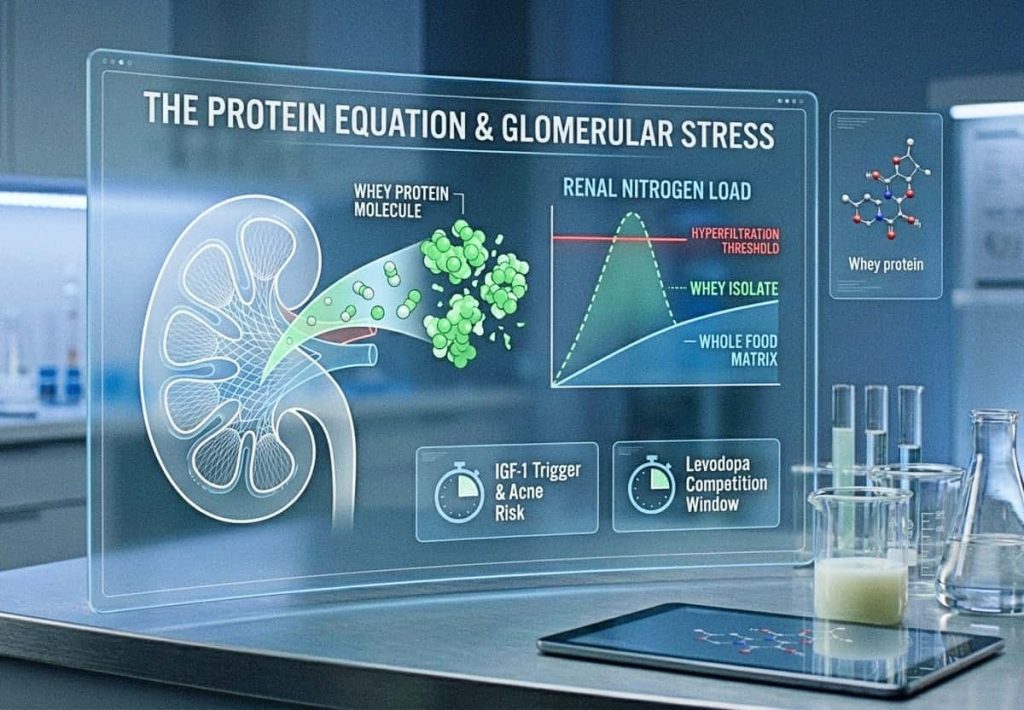
Renal Hyperfiltration and Glomerular Stress
A common point of contention is kidney health. While research through 2025 suggests that moderate whey intake (20g–40g) is safe for healthy adults, the medical concern lies in pre-existing, often undiagnosed, conditions.
The Mechanism of Hyperfiltration
When a high load of nitrogenous waste from protein hits the kidneys, it increases the pressure within the tiny filtering units called glomeruli. In patients with early-stage Chronic Kidney Disease (CKD) or those with high blood pressure, this “hyperfiltration” can accelerate the decline of kidney function. Doctors prefer caution, as in a scenario of high protein intake, late identification of renal dysfunction can be irreversible.
Critical Pharmaceutical Interference
One of the most objective reasons a doctor will veto whey protein is its ability to neutralize medications. Protein and certain minerals often found in these powders can bind to drugs in the digestive tract, rendering them ineffective. This interaction is a major reason why do doctors say no to whey protein, as it can jeopardize the therapeutic window of specific treatments:
Levodopa (Parkinson’s)
Whey protein competes for absorption, potentially causing a “freeze” in motor function.
Antibiotics (Quinolones and Tetracyclines)
Taking whey within two hours of these drugs can significantly reduce their ability to fight infection.
Bisphosphonates
Used for bone density, these are highly sensitive to the calcium and protein found in whey.
The Nuance Check: Why Specialists Disagree
Specialists rarely agree on a universal ban because the context of the patient changes everything. While a primary care physician might say “no” to a healthy gym-goer to avoid the risk of kidney stones (especially if the user is dehydrated or consumes alcohol), a geriatrician or oncologist might actively prescribe whey to treat:
Clinical Applications for Whey
- Sarcopenia: Age-related muscle wasting that leads to falls.
- Cachexia: Severe weight loss associated with cancer or chronic illness.
- Wound Healing: Recovery from major surgery or burns where the body’s protein demand skyrockets.
As discussed in the protein equation and decoding individual requirements, the goal is to bridge a biological gap, not to create a surplus that the body must struggle to excrete.
Whole Foods vs. The “Magic Powder” Myth
Clinical nutritionists often emphasize that whole foods—like Greek yogurt, eggs, or lentils—offer a “nutrient matrix” that powders lack. Intact food provides fiber, healthy fats, and micronutrients that are often stripped away during the processing of whey isolate. Furthermore, the rapid absorption of whey can cause a spike in insulin that may not be ideal for those managing type 2 diabetes or insulin resistance Upon evaluating why do doctors say no to whey protein, clinical nutritionists frequently reinforce that the food matrix of whole foods regulates amino acid absorption in a more slow and physiological manner. Unlike whey, which causes an immediate insulin spike, sources like Greek yogurt or eggs provide prolonged satiety and a micronutrient load indispensable for endocrine health. Therefore, the medical recommendation is not just about “saying no to the supplement,” but about “saying yes to natural bioavailability.
For those still questioning if they need a supplement, it is essential to investigate the hidden dangers of protein powders and why the source of those amino acids matters more than the marketing suggests.
FAQ: The Medical Consensus on Whey
Does whey protein cause acne? Yes, it can. High doses of whey can increase the production of IGF-1, which stimulates oil glands and can trigger severe acne in susceptible individuals.
Is whey protein safe during pregnancy? Most doctors advise staying on the “safe side” and avoiding it. Due to the lack of long-term data on supplemental doses and the risk of heavy metal contamination, whole-food protein sources are much safer for fetal development.
Can whey protein cause liver damage? Generally, no. However, in individuals with existing liver disease, the body struggles to process the byproducts of protein metabolism (like ammonia), which can lead to complications.
Why do I feel tired after a protein shake? “Protein fatigue” can occur if the shake is high in calories and sugar, leading to a blood sugar crash, or if your body is diverting excessive energy to digest a massive load of protein.
Is there a consensus on whey? No, because clinicians weigh the risks of contamination against the benefits of muscle preservation. This uncertainty is precisely why do doctors say no to whey protein in favor of better-controlled nutrition sources.
Medical Disclaimer: This content is for educational purposes only and is not medical advice. Consult a healthcare professional before making dietary or medical changes. Reliance on this information is at your own risk.
