In the world of fitness influencers and “gym-bros,” protein powder is treated like liquid gold, but few are aware of the protein powder risks. If you ask a cardiologist or a registered dietitian, the response is often a firm “no.” While the industry is projected to reach nearly $117 billion by 2034, medical experts from institutions like Harvard and Johns Hopkins are sounding the alarm.
It’s not that protein is bad—it’s essential. The problem is the delivery system. Here is why doctors are increasingly telling healthy adults to put down the shaker bottle and pick up a fork.
In the world of fitness influencers and “gym-bros,” protein powder is treated like liquid gold, but few are aware of the protein powder risks. When you look beyond the marketing, these protein powder risks become a serious concern for long-term health. If you ask a cardiologist or a registered dietitian, the response is often a firm “no.” While the industry is projected to reach nearly $117 billion by 2034, medical experts from institutions like Harvard and Johns Hopkins are sounding the alarm regarding these protein powder risks.
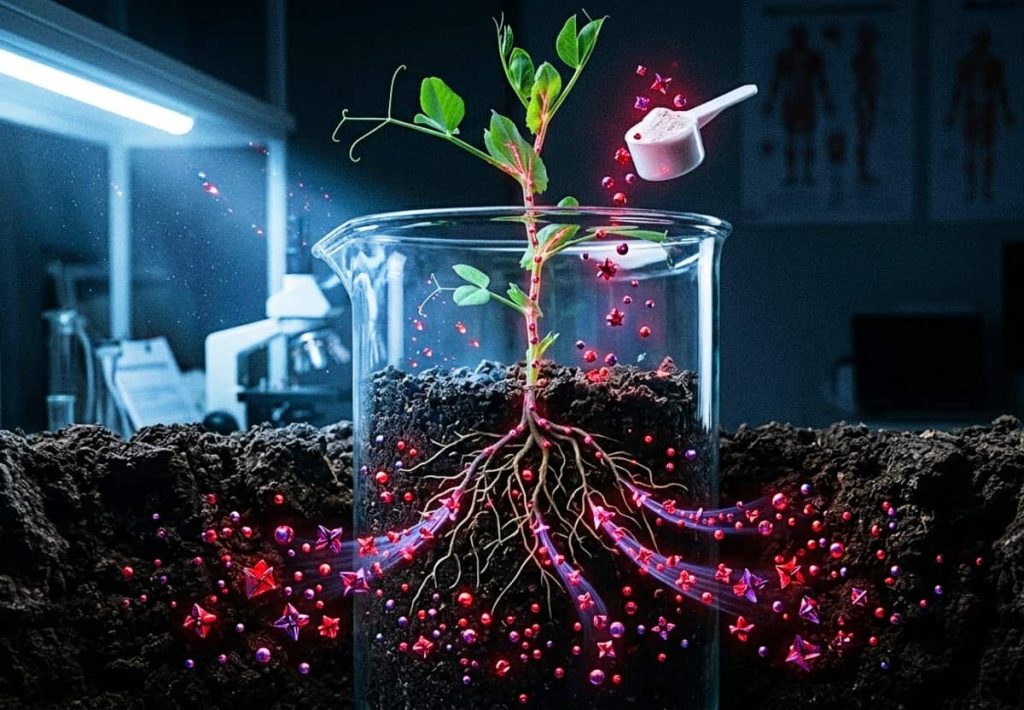
The “Clean Label” Crisis: Understanding Protein Powder Risks
The most alarming reason doctors hesitate is what the label doesn’t show. According to a landmark study by the Clean Label Project, many top-selling protein powders are contaminated with harmful substances.
Heavy Metals and Chemicals
- Heavy Metals: High levels of lead, arsenic, cadmium, and mercury have been detected in many popular brands.
- BPA & Pesticides: Often found as residues from manufacturing processes or environmental absorption.
The Organic Paradox
Ironically, organic plant-based powders often contain twice as much cadmium and three times as much lead as non-organic versions because the plants absorb these toxins directly from the soil.
2. The Regulatory “Wild West”
Unlike life-saving medications, the FDA does not regulate protein powders for safety or efficacy before they hit the shelves. This lack of oversight leads to dangerous inconsistencies.
Because the FDA lacks the mandate to verify safety, consumers are left to navigate complex protein powder risks on their own. Without mandatory third-party testing, the hidden protein powder risks—ranging from unlisted contaminants to mislabeled ingredient profiles—remain largely unmonitored by federal authorities.
Common Market Issues
- Label Inaccuracy: Consumers may receive significantly less protein and more sugar than advertised.
- “Ninja” Additives: Many products contain unlisted caffeine or creatine, which can trigger tremors, migraines, or severe dehydration in unsuspecting users.
3. The “Food Matrix” vs. Isolated Molecules
Doctors emphasize the importance of the Food Matrix. When you eat a whole egg, you get protein plus vitamins A and B; when you eat lentils, you get protein plus fiber.
Why Whole Foods Win
- Absorption Efficiency: The body is evolutionarily designed to process protein within its natural structure. Isolated powders are “stripped,” leading to lower-quality nutrient absorption.
- The Satiety Gap: Liquids fail to trigger the same “fullness” signals as solid food, often resulting in accidental overconsumption and weight gain.
4. Organ Stress and Arterial Plaque
While healthy kidneys can handle moderate protein, “protein-maxxing” through supplements can have long-term clinical consequences.
The cumulative effect of these protein powder risks on internal organs is often overlooked until clinical symptoms appear. While short-term usage may seem benign, sustained exposure to high-dose isolates is a central factor in the emerging clinical dialogue surrounding protein powder risks and chronic inflammatory disease.
Physiological Strain
- Kidney & Liver Strain: Excess nitrogen from concentrated protein forces these detoxification organs to work overtime.
- Cardiovascular Risks: Emerging research, including a notable 2020 Nature Metabolism study, suggests that ultra-high protein diets may lead to a 30% increase in arterial plaque, raising the risk of heart disease even in physically fit individuals.
FAQ: Protein Supplementation Insights
Is there any safe way to use protein powder?
Doctors generally only recommend it for specific medical cases: elderly patients with low appetite, people recovering from severe burns, or cancer patients. If you must use it, look for the NSF Certified for Sport seal, which ensures third-party testing for purity.
Will extra protein build muscle faster?
Only if you are doing intense resistance training 4–5 times a week. For the average person exercising 2–3 times weekly, the extra protein does not build muscle—it is simply metabolized for energy or stored as fat.
How much protein do I actually need?
The standard medical formula is $0.8g$ per kg of body weight. Most adults hit this easily through bread, dairy, and vegetables without ever touching a supplement.
The Bottom Line
For the average healthy adult, protein powder is an expensive, unregulated, and potentially toxic shortcut that the body does not need. As the experts at Karolinska Institutet point out, unless you are an elite endurance athlete or a frail senior, “intact food” remains the undisputed king of nutrition.
To understand how to identify high-quality protein without the marketing hype, check out our guide on Why Your Protein Labels are Lying: The DIAAS Score Revolution.
Disclaimer: This article is for informational purposes only and does not constitute medical advice. Always consult with a registered dietitian or a healthcare professional before making significant changes to your diet or adding new supplements to your routine, especially if you have pre-existing kidney or cardiovascular conditions.
